

Twenty-two years after a football match briefly united a nation torn apart by conflict, Brazil and Haiti are set to meet again on one of the sport’s biggest stages.
The 2026 FIFA World Cup has delivered a fixture rich in history and emotion, placing Brazil and Haiti together in Group C alongside Morocco and Scotland. Their meeting in Philadelphia on June 19 is far more than a battle for points. It is a reminder of a remarkable moment when football offered hope to a country facing one of its darkest periods.
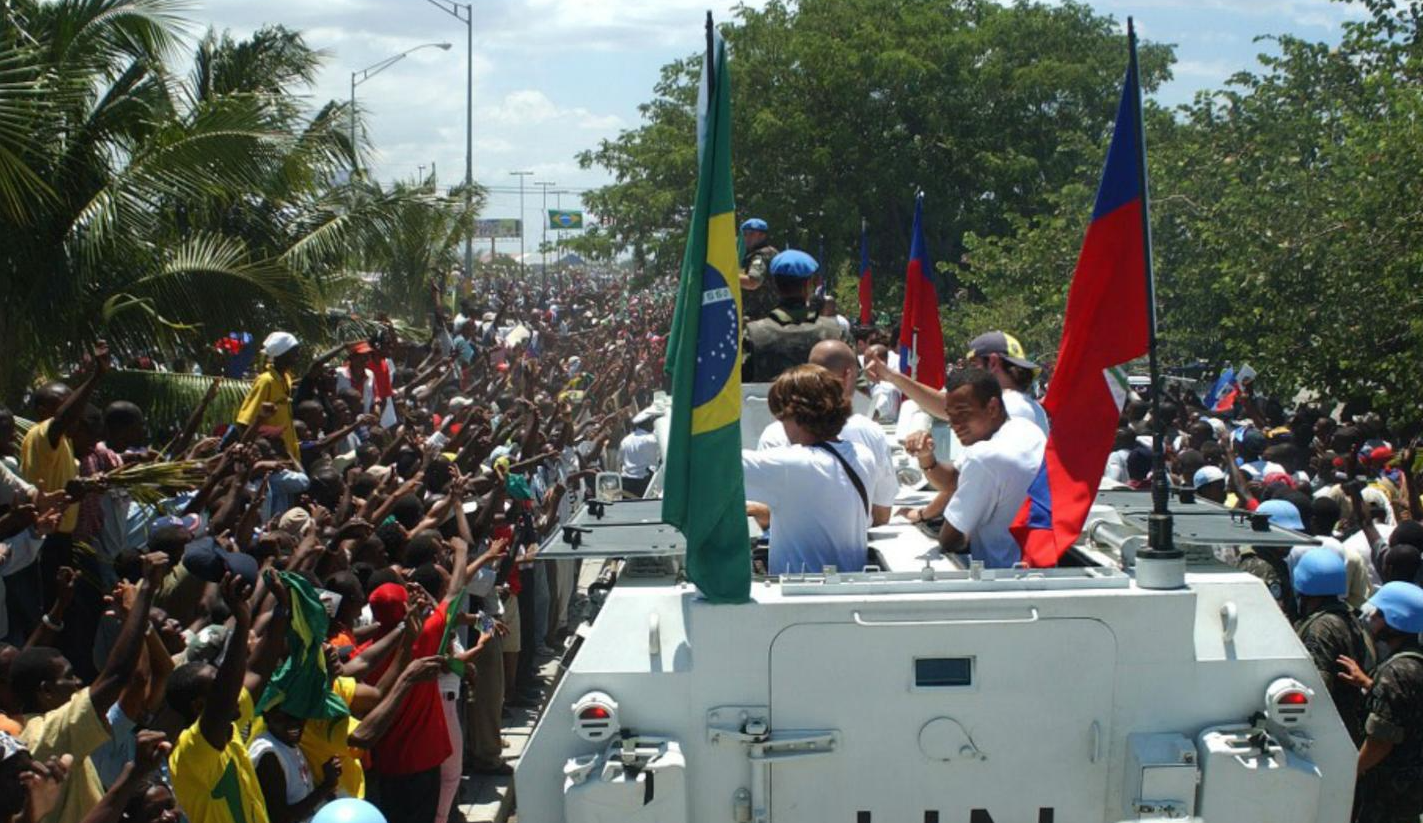
Back in 2004, Haiti was struggling with political instability and widespread unrest following the removal of President Jean-Bertrand Aristide. As part of an international effort to help restore calm, Brazil played a central role in a United Nations peacekeeping mission. Against that backdrop, the Brazilian national team travelled to Port-au-Prince for what became known around the world as the “Match for Peace.”
It was an extraordinary occasion. Security concerns were so severe that Brazil’s players arrived just hours before kick-off and were transported through the city in United Nations armoured vehicles. Yet the dangers did little to dampen the excitement. Thousands of Haitians flooded the streets, climbed rooftops and packed every available viewing spot to catch a glimpse of football icons including Ronaldo, Ronaldinho and Roberto Carlos.
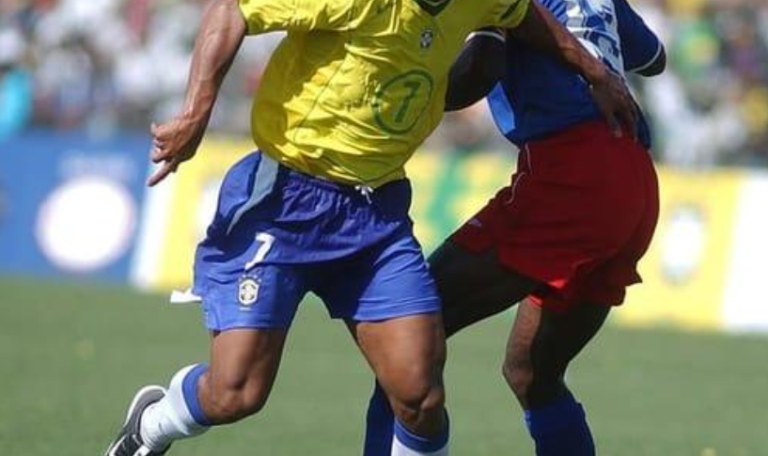
The match itself was one-sided. Brazil stormed to a 6-0 victory, with Ronaldinho producing a stunning hat-trick, while Roger scored twice and Nilmar added another goal. But the result was almost irrelevant. For a few hours, football replaced fear, bringing smiles and celebration to a population desperate for positive news.

Former Brazil manager Carlos Alberto Parreira later described the event as one of the most emotional experiences of his coaching career. The game became a symbol of unity and hope, proving that football’s influence can extend well beyond the boundaries of the pitch.
One of the most memorable stories from that day involved an offer from Haitian Prime Minister Gerard Latortue, who promised a financial bonus for every Brazilian goal scored. The players politely declined, reinforcing the humanitarian purpose behind the occasion and ensuring the focus remained on peace rather than prizes.
Fast forward to 2026, and Haiti’s return to the World Cup is a remarkable achievement in its own right. The Caribbean nation is back on football’s grandest stage for the first time in 52 years, overcoming significant challenges both on and off the field.
With ongoing security concerns affecting life in the country, Haiti have relied heavily on players based overseas. Only a handful of squad members currently play domestic football, highlighting the obstacles the national team has had to overcome. Despite those difficulties, the Grenadiers produced an outstanding qualifying campaign, eliminating regional heavyweights Costa Rica and Honduras to secure their place at the tournament.
Leading Haiti’s charge will be captain and all-time leading scorer Duckens Nazon, while Wolverhampton Wanderers midfielder Jean-Ricner Bellegarde adds quality and experience in the middle of the park. Their journey to the World Cup has already become one of the tournament’s most inspiring stories.
Brazil enter the competition as one of the favourites and carry a flawless record against Haiti. The Selecao have won all three previous meetings between the nations, including victories in 1974, 2004 and a commanding 7-1 triumph in 2016.
Yet statistics and history books tell only part of the story.
When Brazil and Haiti step onto the field in Philadelphia, the match will represent more than a World Cup group-stage encounter. It will revive memories of a day when football helped bring people together during a time of uncertainty and hardship.
More than two decades after the famous Match for Peace, the connection between these two nations remains alive. Their latest meeting offers another chapter in a unique football relationship built on far more than goals and results.


