
High-Performance Spinning: How Indoor Cycling Builds Stronger Bodies and Sharper Minds
Indoor cycling stands out for its lasting physical and mental benefits, making it more than just another fleeting fitness trend. Spinning offers an intense, measurable, and sustainable way to train, enhancing conditioning and promoting long-term cognitive health. With its blend of controlled resistance, rhythmic pacing, and group support, spinning remains one of the most efficient training options available.
The Physical Foundation of Spinning
The structured intervals of indoor cycling are rooted in endurance science and offer a key training benefit. Classes move between steady aerobic work, high-intensity bursts, and controlled recovery, a model that helps strengthen the cardiovascular system, improve oxygen efficiency, and build lower-body power.
The bike’s adjustable resistance allows athletes to scale intensity without compromising joint integrity. Cyclists engage major muscle groups, including quadriceps, hamstrings, glutes, and calves, which support balanced development and help prevent common lower-extremity overuse injuries. Consistent training can also contribute to improved metabolic function and caloric expenditure, which often leads to measurable changes in body composition.
The Mental Advantages of Consistent Cycling
Spinning offers benefits that extend well beyond physical fitness. Repetitive cadence and controlled breathing can help calm the nervous system, reducing stress and improving emotional regulation. Many participants describe a meditative quality that emerges during sustained effort.
High-intensity intervals encourage the release of endorphins and other neurotransmitters associated with enhanced mood, sharper focus, and improved mental resilience. These effects make indoor cycling a valuable practice for individuals seeking cognitive benefits along with physical conditioning.
Related News
The Role of Community and Motivation
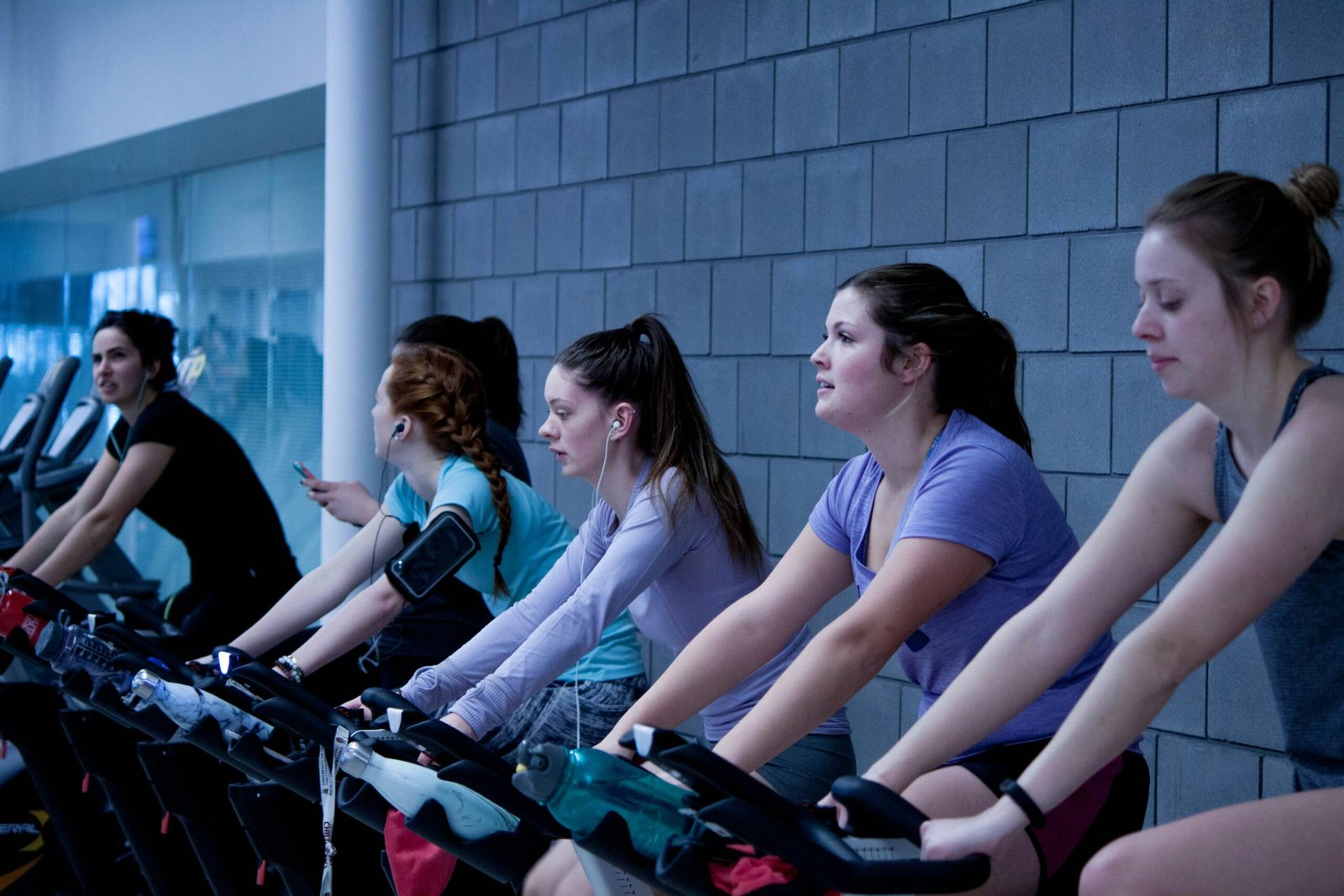
Although spinning is an individual workout, the shared environment contributes significantly to long-term adherence. A well-coordinated class creates a collective rhythm that motivates riders to maintain output. Instructors guide participants through precise progressions that reduce decision fatigue and keep the session aligned with specific performance goals.
Music, pacing cues, and coach feedback help riders sustain efforts that might be difficult to replicate alone. This structure supports consistent participation, which is often the determining factor in long-term fitness success.
Training Smart: Building a Sustainable Routine
One of the strengths of indoor cycling lies in its adaptability. Beginners can start with low resistance and shorter sessions while still gaining measurable benefit. Intermediate and advanced athletes can integrate power-based training, heart-rate zones, and longer endurance blocks to refine performance.
A balanced program typically includes two to four weekly sessions. Integrating mobility work, adequate recovery, and hydration ensures the workload remains productive rather than taxing. These fundamentals help maintain progress and reduce the risk of chronic fatigue.
Why Spinning Supports Long-Term Wellness
Indoor cycling’s accessibility, low impact, and structured intensity make it suitable for a wide range of athletes. Its combined physical and cognitive effects create a training platform that supports health across multiple dimensions.
A well-executed spinning routine strengthens the heart, sharpens the mind, and fosters discipline through measurable progression. The result is a sustainable pathway to improved overall well-being.