

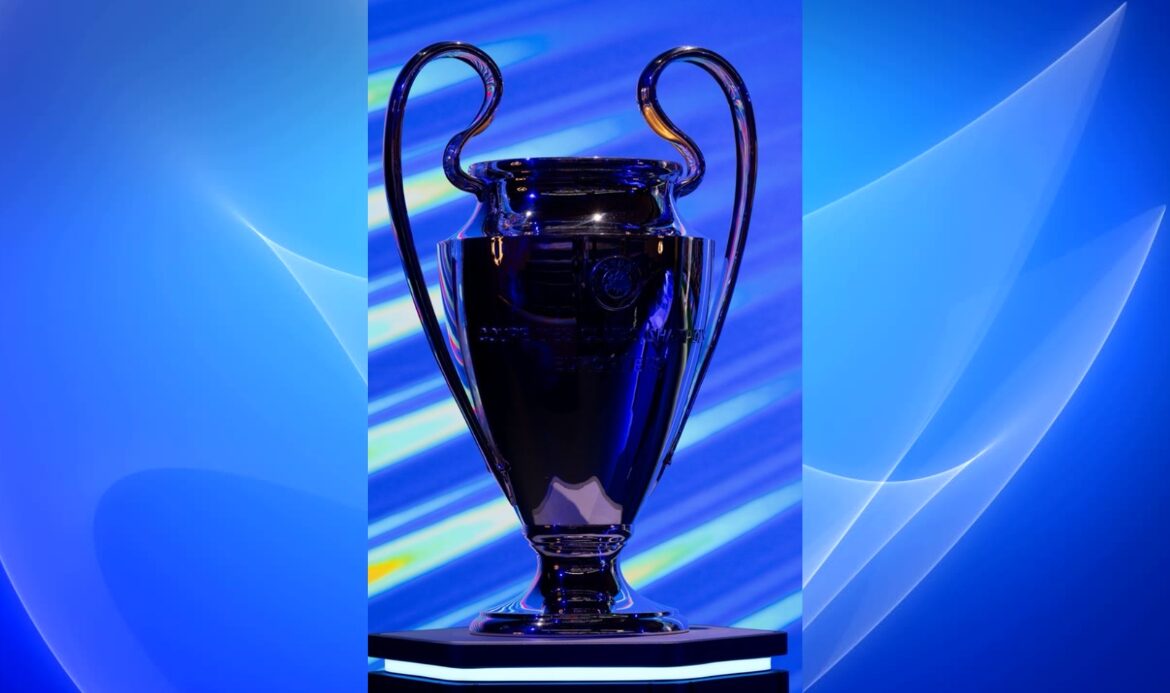
The UEFA Champions League is Europe’s premier club competition, featuring the best teams from domestic leagues across the continent. Understanding how the Champions League group stage works helps fans follow the tournament from qualification through to the knockout rounds.
How Teams Qualify
Teams qualify for the Champions League based on their performance in their domestic leagues during the previous season. The number of qualification spots available to each country depends on UEFA’s coefficient rankings.
Clubs from Europe’s strongest leagues, such as England, Spain, Germany, Italy and France, typically receive multiple places in the competition. Some teams enter directly into the group stage, while others must progress through qualifying rounds and playoffs.
How Groups Are Drawn
Before the group stage begins, the qualified teams are divided into four seeding pots based on UEFA club coefficients and competition rules.
Teams are then drawn into groups while following several restrictions:
- Clubs from the same country cannot be placed in the same group.
- Teams are selected from different seeding pots.
- UEFA may apply additional scheduling rules for television and logistical reasons.
The draw aims to create balanced groups while maintaining competitive fairness.
Points and Tiebreakers
During the group stage, each team plays every other club in its group twice, once at home and once away.
Teams earn points as follows:
- Win: 3 points
- Draw: 1 point
- Loss: 0 points
At the end of the group stage, teams are ranked by total points. If two or more teams finish level on points, UEFA applies tiebreakers in the following order:
- Points earned in matches between the tied teams
- Goal difference in matches between the tied teams
- Goals scored in matches between the tied teams
- Overall goal difference in all group matches
- Overall goals scored
These rules determine the final group standings and which teams advance.
Knockout Stage Rules
The top two teams from each group advance to the Champions League knockout stage.
The group winners are seeded and drawn against runners-up from other groups. Teams from the same group or the same national association cannot face each other in the first knockout round.
From the Round of 16 onward, the competition becomes a two-legged knockout format. The aggregate score across both matches determines which team advances. If the aggregate score is level, extra time and penalties may be used to decide the winner.
The knockout stage continues through the quarterfinals and semifinals before culminating in a single-match final at a neutral venue.
Why It Matters
The Champions League group stage is crucial because it determines which clubs remain in Europe’s most prestigious competition. Advancing to the knockout rounds brings significant financial rewards, greater international exposure and the opportunity to compete for one of football’s most coveted trophies.
Strong performances in the group stage can also improve a club’s UEFA coefficient ranking, which may influence future tournament seedings and qualification opportunities.
Common Questions (FAQ)
How many teams are in a Champions League group?
Traditionally, each group contains four teams, with every club playing six matches during the group stage.
How many teams qualify from each group?
The top two teams in each group advance to the knockout stage.
What happens if teams finish level on points?
UEFA uses head-to-head results and other tiebreakers to separate teams that are tied on points.
Do away goals count in Champions League knockout matches?
No. UEFA abolished the away goals rule in 2021, meaning tied aggregate scores are now decided by extra time and penalties if necessary.