
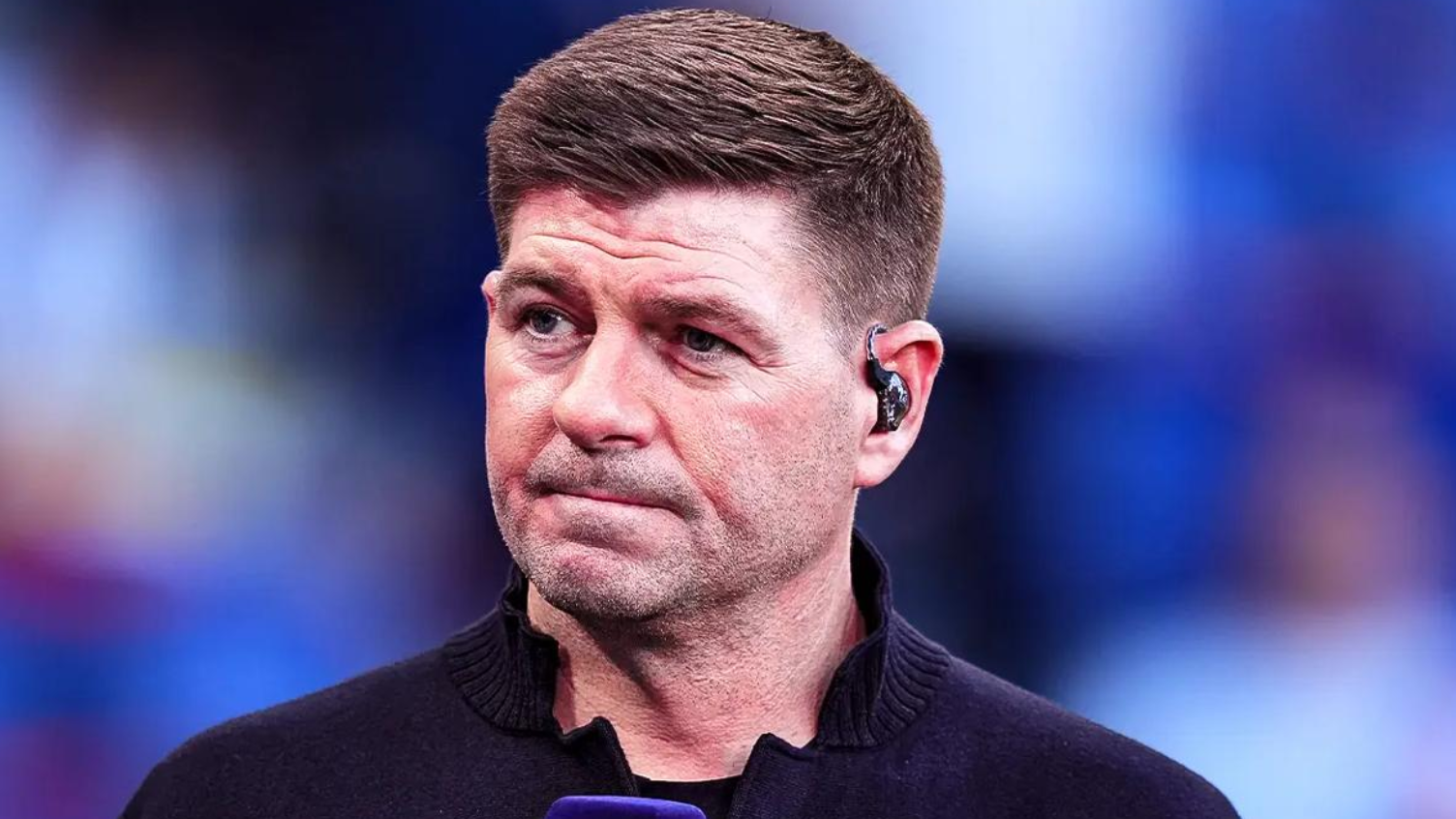

Former England captain Steven Gerrard has criticised the build up to the FIFA World Cup 2026 in the United States, saying the tournament is being overshadowed by off field issues including weather concerns, security checks and ticket disputes.
Gerrard said the early narrative around the tournament should normally focus on players and favourites, but instead attention has shifted to organisational and logistical problems.
“This World Cup is becoming the worst tournament even before it gets started,” Gerrard said. “This is not how it is supposed to be.”
He pointed to concerns over playing conditions in the United States, saying extreme summer heat could affect performance and match quality.
“The weather in the US is not ideal for players,” he said, adding that high temperatures could disrupt the rhythm of games at the finals.


Gerrard also referenced reports involving Somali referee Omar Artan, who was reportedly denied entry to the United States despite being selected by FIFA for the tournament.
“The Omar Artan situation is one of the most disappointing stories I have seen,” he said. “He was chosen because he was good enough to referee at a World Cup, yet he may miss it for reasons outside football.”
He also highlighted concerns raised by Iran’s football authorities over reported changes to supporter ticket allocations, as well as wider complaints about security procedures affecting players and delegations, including Belgium midfielder Kevin De Bruyne and members of the Senegal squad.
Gerrard said such issues risk damaging the atmosphere around the tournament.
“At some point people stop feeling welcomed and start feeling like suspects,” he said.
The former Liverpool midfielder added that World Cup discussions should normally centre on football, but instead have been dominated by off pitch controversies.

“A World Cup should bring the world together,” he said. “Right now, too many headlines have nothing to do with football.”
Gerrard stressed that he still hopes the tournament will ultimately be defined by the action on the pitch, but warned that repeated disputes risk affecting how the competition is perceived before it even begins.


