When Maria Sharapova arrived at IMG Academy in Florida at just seven years old, she was a talented young tennis player with big dreams. Years later, she emerged as a five-time Grand Slam champion and global icon. Her journey exemplifies the transformative power of sports academies in shaping elite athletes. Today, these specialized institutions have evolved far beyond simple training facilities, becoming comprehensive development ecosystems that prepare young athletes for success both on the field and in life.
- The Evolution of Sports Academy Models
- Comprehensive Athletic Development
- Mental Performance and Psychological Training
- Academic Excellence and Time Management
- Nutrition and Physical Wellness
- College Recruitment and Exposure
- Pathways to Professional Sports
- The Financial Consideration
- Potential Drawbacks and Considerations
- The Future of Athlete Development
- Making the Right Choice
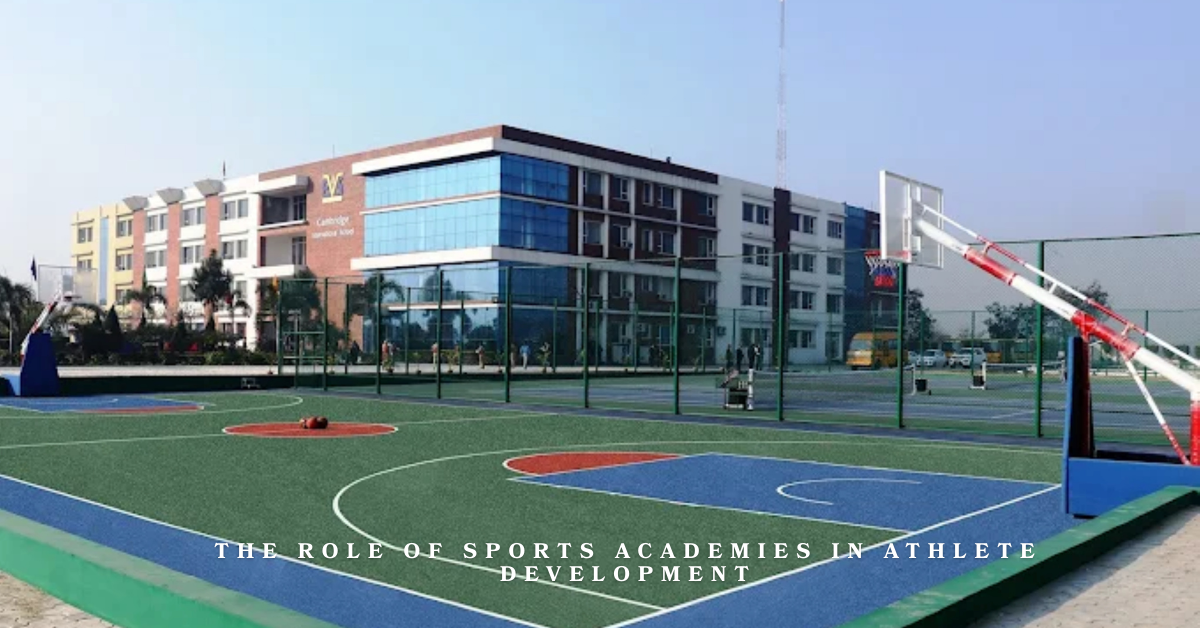
The landscape of athlete development has shifted dramatically over the past two decades. Traditional high school sports programs, while valuable, often struggle to provide the intensity, specialization, and holistic support that aspiring college and professional athletes need. Sports academies have emerged to fill this gap, offering a centralized approach that combines rigorous athletic training with academic excellence, mental conditioning, and personal development.
The Evolution of Sports Academy Models
Modern sports academies operate on principles vastly different from conventional training programs. Rather than treating athletes as one-dimensional performers, these institutions recognize that sustainable success requires developing the complete person. The holistic model currently trending across the sports industry acknowledges that athletes need support in multiple areas: physical abilities, sport-specific skills, psychological readiness, nutrition, injury prevention, and personal development.
This comprehensive approach represents a fundamental shift in thinking. As one sports development researcher notes, the industry is finally signaling “we care” about what happens to athletes beyond their playing careers. The goal extends beyond producing elite competitors to developing educated, skillful, balanced individuals who won’t vanish when their athletic careers end.
Key Insight: Sports academies range drastically in cost, from full athletic scholarships to approximately $100,000 per year for elite boarding programs. However, they all share a common mission of cutting out wasted time by centralizing sports training and education in one location.
Different academy models serve different needs. Residential programs like IMG Academy and SPIRE Academy in Ohio provide full boarding experiences where athletes live on campus year-round. Other programs, such as TPH Academy, operate on a daytime model across multiple cities in the United States and Canada, allowing athletes to train intensively during the day while returning home in the evenings. This micro-school approach has grown exponentially since 2020, now serving over 1.5 million students across the United States.
Comprehensive Athletic Development
The athletic training component at sports academies goes far beyond what most high school programs can offer. Athletes typically train three to four times per week in their primary sport, supplemented by strength and conditioning sessions, sport-specific skill development, and position coaching from professionals who often have collegiate or professional experience themselves.
What sets academy training apart is the access to cutting-edge technology and analytics. Athletes benefit from video analysis tools, performance tracking systems, and data-driven training adjustments that mirror what professional teams use. This level of sophistication allows coaches to identify technical flaws, track progress objectively, and personalize development plans for each athlete.
The competitive environment also plays a crucial role. Training alongside other highly motivated athletes creates a culture of excellence where mediocrity isn’t acceptable. Athletes push each other daily, simulating the intensity they’ll face at the collegiate and professional levels. This constant exposure to high-level competition accelerates development in ways that traditional programs simply cannot replicate.
Mental Performance and Psychological Training
Perhaps the most significant advancement in sports academies involves mental performance training. Success in competitive sports requires mental toughness, and leading academies now incorporate psychological conditioning into every program. Athletes learn techniques like visualization, goal setting, mindfulness, and nervous system regulation. They work through performance anxiety, develop focus strategies, and build the resilience necessary to handle pressure situations.
This mental training addresses a critical gap in traditional athletic development. Many talented athletes possess the physical skills to succeed but lack the psychological tools to perform consistently under pressure. Academies recognize that the mental side of competition is just as important, if not more important, than physical preparation.
Athletes also receive support in developing leadership skills, communication abilities, and teamwork values. These qualities extend beyond sports, preparing young people for the demands of college, careers, and adult life. The structured independence encouraged at many academies helps athletes take ownership of their development, fostering maturity and accountability.
Academic Excellence and Time Management
One common misconception about sports academies is that athletics takes priority over academics. In reality, successful academies maintain rigorous academic standards precisely because they understand that most athletes won’t make it professionally. TPH Academy reports an average GPA of 3.7 across its 800-plus student-athletes. IMG Academy’s graduating class of 2025 posted a weighted GPA average of 3.66, with 35 students maintaining perfect 4.0 GPAs and 84 students earning National Honor Society membership.
These impressive academic results stem from the structured environment academies provide. Athletes learn to balance demanding training schedules with coursework, developing time management skills that prove invaluable in college. The schedule teaches them to prioritize tasks, set routines, and meet deadlines while switching between intense physical training and focused academic work.
Studies support this approach. Research from the National Federation of State High School Associations found that student-athletes in structured programs maintain higher GPAs (averaging 3.1) and better attendance than non-athletes. The discipline required to excel in sports transfers directly to academic performance, creating well-rounded students prepared for the dual demands of college athletics.
Nutrition and Physical Wellness
Proper nutrition plays a vital role in athletic performance and recovery, yet it’s an area often overlooked in traditional programs. Sports academies address this through comprehensive nutrition education and personalized meal planning. Athletes learn to fuel their bodies appropriately, understanding macronutrient timing, hydration strategies, and how food choices impact performance.
Many elite academies partner with sports science organizations to integrate cutting-edge research into their programs. These partnerships provide athletes access to the same nutritional support that professional teams utilize. Athletes also receive education on recovery strategies, sleep optimization, and injury prevention, creating sustainable habits that extend throughout their careers.
The holistic health approach recognizes that recovery is as important as training. Athletes learn to listen to their bodies, communicate discomfort before it becomes injury, and understand the seven different forms of rest. This comprehensive wellness education helps athletes peak at the right times through customized training plans and volume load management.
College Recruitment and Exposure

For most academy athletes, the ultimate goal involves earning a college roster spot and potentially an athletic scholarship. The numbers paint a challenging picture: overall, only about 7% of high school athletes (roughly 1 in 13) compete in varsity college sports, and less than 2% (1 in 57) play at NCAA Division I schools. These statistics underscore why strategic preparation and exposure matter tremendously.
Sports academies excel at facilitating college recruitment. They host showcase events where college coaches actively scout talent, maintain relationships with collegiate programs, and help athletes navigate the complex recruitment process. Many academies offer workshops on creating highlight reels, contacting coaches, and understanding NCAA eligibility requirements.
Success Rate: IMG Academy achieved a 100% college acceptance rate for its graduating class of 2024, with 10 student-athletes accepted to Ivy League institutions and 20 gaining admission to top-ranked colleges and universities.
The platform these academies provide proves invaluable. Athletes compete in high-profile tournaments and leagues where college scouts regularly attend. This exposure, combined with the credibility that academy affiliation brings, significantly enhances recruitment prospects. College coaches trust that academy athletes have experienced rigorous competition and professional-level training, making them more attractive recruits.
Pathways to Professional Sports
While college athletics represents the goal for most academy athletes, a select few advance to professional careers. The track record of elite academies in producing professional athletes demonstrates their effectiveness. IMG Academy has had at least one alumnus selected in the NBA Draft for eight consecutive years since 2017, with five consecutive years of first-round selections. The football program holds the NFL record for most draft selections from one high school since 2018, with 25 former students drafted.
These impressive numbers extend across multiple sports. IMG Academy alumni competed in the 2024 Paris Olympics across basketball, golf, tennis, and track and field, representing multiple countries. The academy has produced MLB draft picks for 17 of the past 19 years, with 64 alumni drafted across 27 teams. In tennis, alumni include not just Maria Sharapova but numerous other professional players who trained there during their development years.
Success stories demonstrate the complete development approach. JJ McCarthy, who won a national championship with the University of Michigan before being selected in the first round of the NFL Draft, credits IMG Academy with teaching him leadership, decision-making, and discipline. The structured routine of film sessions, weight training, position drills, and mental performance coaching mirrored college-level demands, preparing him for the next level.
The Financial Consideration
The cost of sports academy training varies enormously depending on the program type and duration. Elite boarding academies can cost upward of $80,000 to $100,000 per year when accounting for tuition, room, board, and training. Day programs and specialized camps offer more affordable options, though still representing significant investments for families.
However, this investment must be weighed against potential returns. Athletic scholarships at NCAA Division I and II schools total nearly $4 billion annually, distributed to approximately 197,000 student-athletes. Division III schools, while not offering athletic scholarships, provide merit and need-based aid to 80% of their student-athletes. For families, an academy education that results in a college scholarship can prove financially beneficial beyond the athletic development.
Some academies offer their own scholarship programs for talented athletes who demonstrate financial need. Others provide flexible payment plans to make training more accessible. Families should research multiple options, considering not just cost but also the specific development model, coaching expertise, academic support, and track record with college placement.
Potential Drawbacks and Considerations
Despite the numerous benefits, sports academies aren’t the right choice for every athlete. The intense focus on a single sport at a young age can lead to burnout or overuse injuries if not managed carefully. Athletes sacrifice normal high school social experiences, missing proms, homecoming events, and the traditional teenage experience that many value.
The pressure to perform can be immense. Unlike traditional high schools where athletics represents one aspect of student life, academies place sports at the center. For some young people, this intensity proves motivating. For others, it becomes overwhelming, particularly if they begin questioning their commitment to the sport or face injuries that derail their progress.
There’s also no guarantee of success. Even with excellent training, most academy athletes won’t play professionally. Approximately 530,000 athletes compete in NCAA sports, but only a tiny fraction advance to professional careers. Families should approach academy training with realistic expectations, viewing it as an opportunity for comprehensive development rather than a guaranteed ticket to professional sports.
The Future of Athlete Development
The sports academy model continues evolving as technology advances and our understanding of athlete development deepens. Innovations in sports science, recovery techniques, and performance analytics are being integrated into programs constantly. The rise of micro-schools and hybrid models suggests that athlete development will become increasingly accessible to families across different geographic and economic backgrounds.
There’s also growing recognition that the principles underlying successful academy programs can benefit all youth sports. Time management, mental conditioning, proper nutrition, and holistic development aren’t exclusive to elite athletes. Traditional programs are beginning to incorporate these elements, raising the overall quality of youth sports development.
As college tuition costs continue rising and NIL (Name, Image, Likeness) opportunities expand, the value proposition of sports academies may shift. Athletes who develop marketable skills and strong academic records alongside their athletic abilities position themselves for multiple pathways to success, whether through athletic scholarships, academic scholarships, NIL earnings, or some combination thereof.
Making the Right Choice
Deciding whether a sports academy fits a young athlete’s needs requires honest assessment of multiple factors. Families should consider the athlete’s talent level, commitment to their sport, academic goals, social and emotional maturity, and financial resources. Visiting academies, speaking with coaches and current athletes, and researching outcomes for alumni in similar situations provides valuable perspective.
Questions to ask include: Does the athlete possess the talent and work ethic to potentially play college sports? Will they thrive in an intense, competitive environment focused primarily on athletics? Can the family afford the program, and does the potential return justify the investment? What support systems does the academy provide for academic success, mental health, and personal development?
For athletes who do choose the academy route, the experience offers unparalleled opportunities for growth. The combination of elite coaching, cutting-edge facilities, competitive training partners, comprehensive support services, and college recruitment assistance creates an environment where talented, motivated athletes can truly excel. Success requires dedication, resilience, and the ability to handle pressure, but for those who commit fully, sports academies provide a proven pathway to achieving athletic dreams while developing into well-rounded, capable young adults.
The role of sports academies in athlete development has become increasingly significant as the pathway to college and professional sports grows more competitive. These institutions don’t just produce better athletes. They develop stronger students, more resilient individuals, and future leaders who carry the lessons learned through sports into every aspect of their lives. That holistic impact, extending far beyond wins and losses, represents the true value of the sports academy model and why it will likely continue shaping the future of athlete development for years to come.