
- What Determines an Athlete's Net Worth?
- Top 10 Richest Athletes of All Time
- 1. Michael Jordan – Estimated net worth: $3.5 billion
- 2. Tiger Woods – Estimated net worth: $1.7 billion
- 3. Magic Johnson – Estimated net worth: $1.5 billion
- 4. Cristiano Ronaldo – Estimated net worth: $1.4 billion
- 5. LeBron James – Estimated net worth: $1.2 billion
- 6. Roger Federer – Estimated net worth: $1.1 billion
- 7. David Beckham – Estimated net worth: over $1 billion (combined with Victoria Beckham)
- 8. Floyd Mayweather – Career earnings: over $1.2 billion
- 9. Michael Schumacher – Estimated net worth: $600 million to $1 billion
- 10. Shaquille O'Neal – Estimated net worth: $500 million
- How Athletes Build Wealth Beyond Their Sporting Careers
- The Importance of Endorsements and Investments
- Frequently Asked Questions
- Final Thoughts
Sports fans love a good stat, but the numbers that get people talking the most these days aren’t points per game or batting averages. They’re bank balances. When you look at the top 10 richest athletes of all time, you’re really looking at a masterclass in business strategy dressed up in a jersey.
This list isn’t just about who scored the most goals or won the most trophies. It’s about who understood that the paycheck from playing was only ever the starting capital. The real fortunes were built afterward, through smart deals, ownership stakes, and brands that outlived the athletes’ playing careers.
Below, we break down the richest athletes in the world by estimated net worth, how they made their money, and what regular readers (not just future billionaires) can actually learn from their playbooks.
What Determines an Athlete’s Net Worth?
Before diving into the rankings, it helps to understand what actually goes into these numbers. Athlete net worth isn’t the same as annual earnings, and mixing the two up is the most common mistake people make when reading “richest athlete” lists.
Forbes’ annual highest-paid athletes list, for example, measures one year of income: salary, bonuses, prize money, and endorsements combined. Cristiano Ronaldo topped that list again in 2026, but topping an annual earnings chart doesn’t automatically mean you have the biggest fortune. Michael Jordan hasn’t played professional basketball since 2003, yet he still holds the title of richest athlete on the planet because of decades of compounding brand value.
Net worth, on the other hand, is a snapshot of total accumulated wealth: cash, real estate, business equity, stock holdings, and any other assets, minus debts. It reflects long-term decisions, not just a good year.
A few things typically drive an athlete’s net worth higher over time:
-
- Playing salary and prize money. This is the seed capital. It’s usually the biggest chunk of income during an active career, especially in leagues like the NBA, Saudi Pro League football, or Formula 1.
- Endorsements and sponsorships. Brand deals with companies like Nike, Adidas, or luxury watchmakers often pay more over a career than the sport itself, particularly for global stars.
- Business ownership and equity. This is where real wealth compounds. Athletes who take equity in a company instead of a flat sponsorship fee, or who buy stakes in teams and franchises, tend to end up far wealthier than those who simply cash paychecks.
- Post-career ventures. Restaurants, real estate, media companies, and venture capital funds keep the money flowing long after retirement.
- Smart tax and investment planning. Less glamorous, but it matters. Athletes who work with strong financial advisors tend to keep and grow far more of what they earn than those who don’t.
With that context in mind, here’s how the wealthiest sports stars actually stack up.
Top 10 Richest Athletes of All Time
Net worth estimates for private individuals vary by source (Forbes, Bloomberg, and Celebrity Net Worth don’t always agree), so treat these as informed approximations rather than exact figures.
1. Michael Jordan – Estimated net worth: $3.5 billion
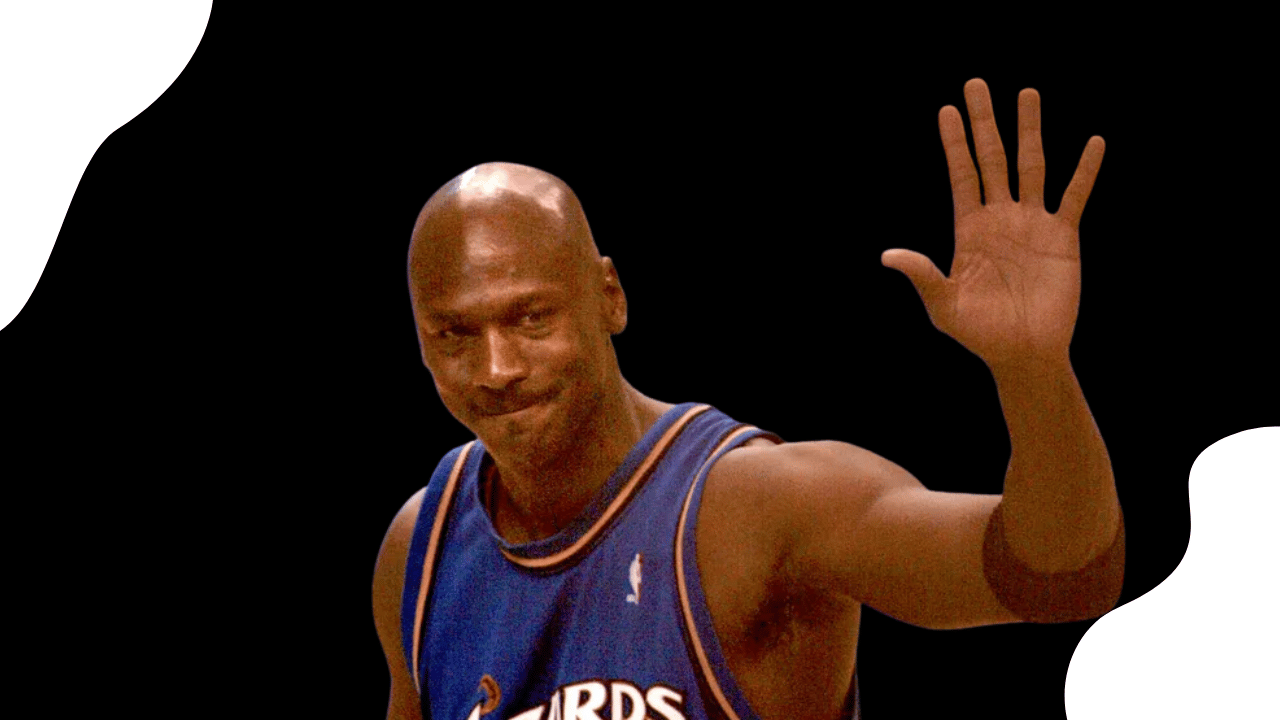
Jordan is, by a wide margin, the richest athlete in history. His NBA salary over 15 seasons totaled a relatively modest $90 million or so by today’s standards. The real fortune came from Nike. His signature Jordan Brand still generates hundreds of millions in annual royalties, decades after his final game.
The other massive piece of his wealth: he bought the Charlotte Hornets in 2010 for $275 million and sold his majority stake in 2023 for a valuation of roughly $3 billion. That single transaction turned Jordan from a very wealthy retired athlete into a billionaire many times over.
2. Tiger Woods – Estimated net worth: $1.7 billion

Tiger Woods has earned more money from golf and its surrounding business than anyone else in the sport’s history. His career earnings, including prize money, endorsements, and appearance fees, have topped $1.7 billion.
Woods built his fortune through long-running deals with Nike (before it ended), his own apparel brand Sun Day Red, and TGR Design, his golf course architecture firm. He’s a strong example of an athlete diversifying into the same industry he came from, rather than jumping into something completely unrelated.
3. Magic Johnson – Estimated net worth: $1.5 billion
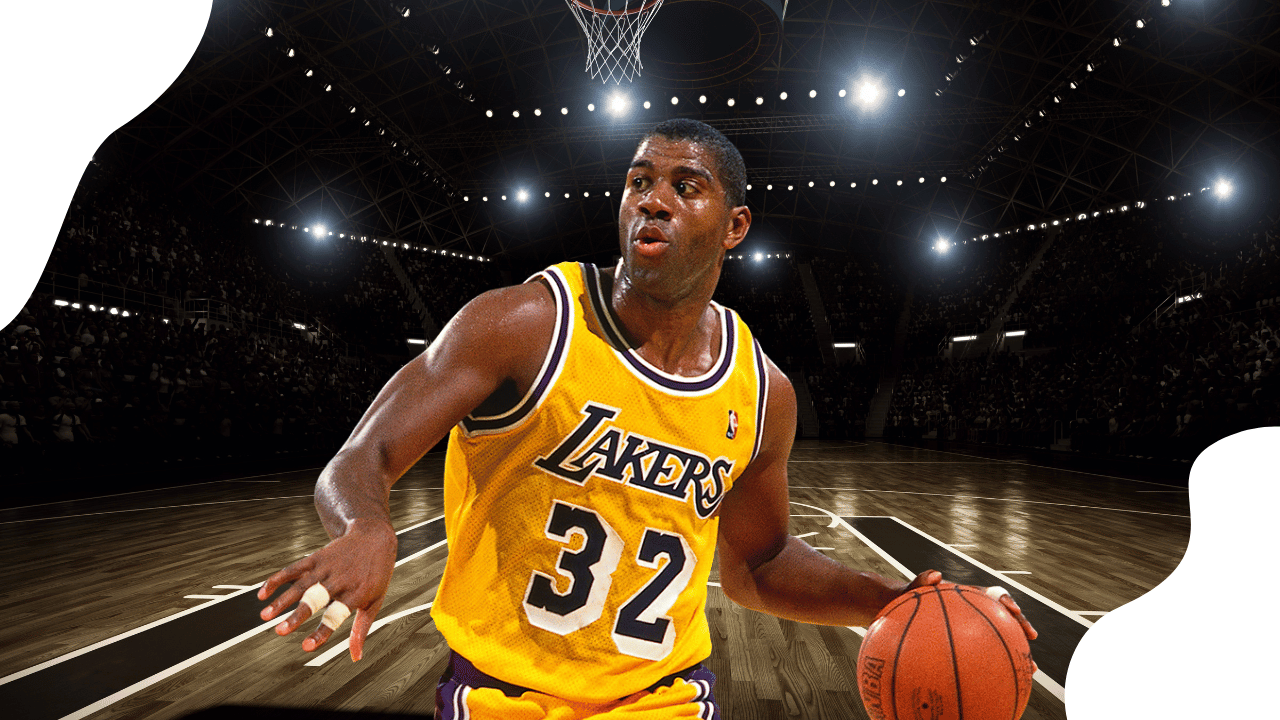
Magic Johnson might be the most underrated name on this list when it comes to pure business instinct. After his Hall of Fame NBA career with the Los Angeles Lakers, he built Magic Johnson Enterprises, a conglomerate spanning movie theaters, Starbucks franchises, real estate, and an ownership stake in the LA Dodgers.
Johnson has said publicly that he wanted to build wealth in underserved communities through his business ventures, and that strategy paid off in more ways than one. He’s proof that a smart post-career pivot can eventually outgrow the fortune made while actually playing.
4. Cristiano Ronaldo – Estimated net worth: $1.4 billion
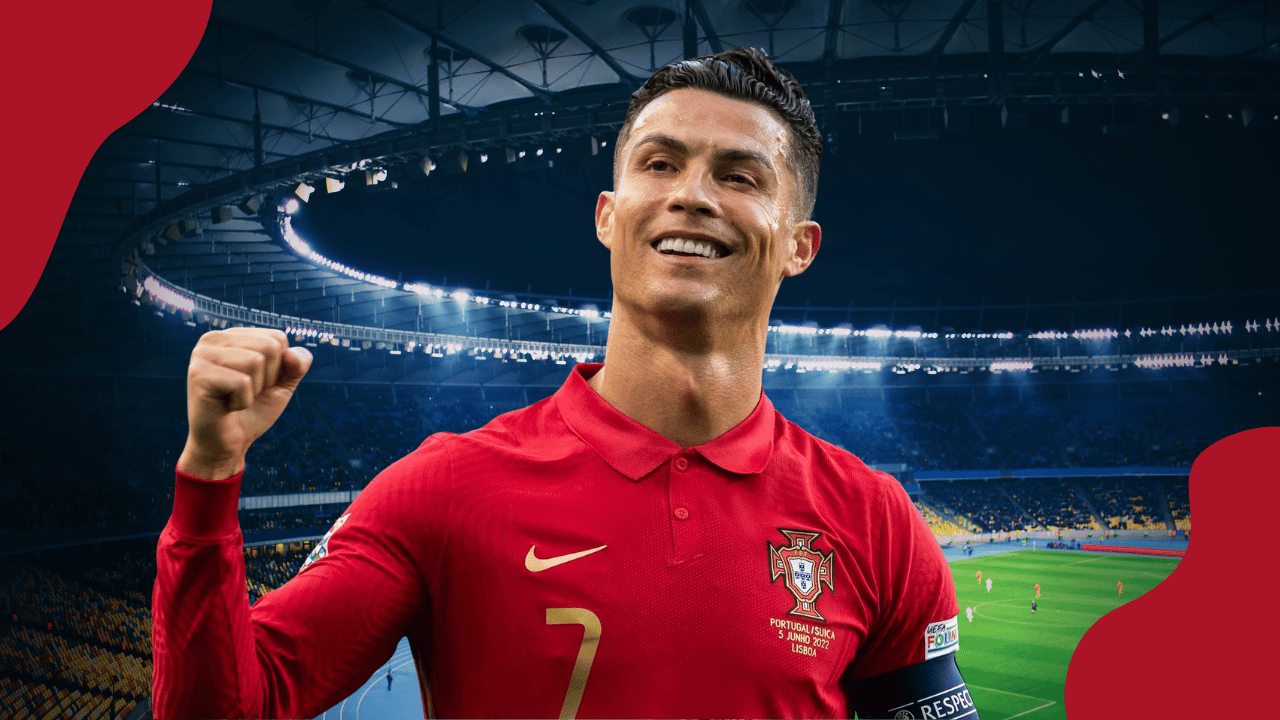
Ronaldo became the first footballer in history to cross into billionaire territory, a milestone tied to his reported $400 million-plus contract extension with Saudi Arabian club Al-Nassr, which reportedly includes an equity stake in the club itself.
Beyond his salary, Ronaldo’s CR7 brand covers hotels, gyms, fragrances, and clothing lines. He also has one of the largest social media followings of any human being alive, which he monetizes directly through sponsored content, in addition to traditional endorsement deals with Nike, Binance, and other global brands.
5. LeBron James – Estimated net worth: $1.2 billion
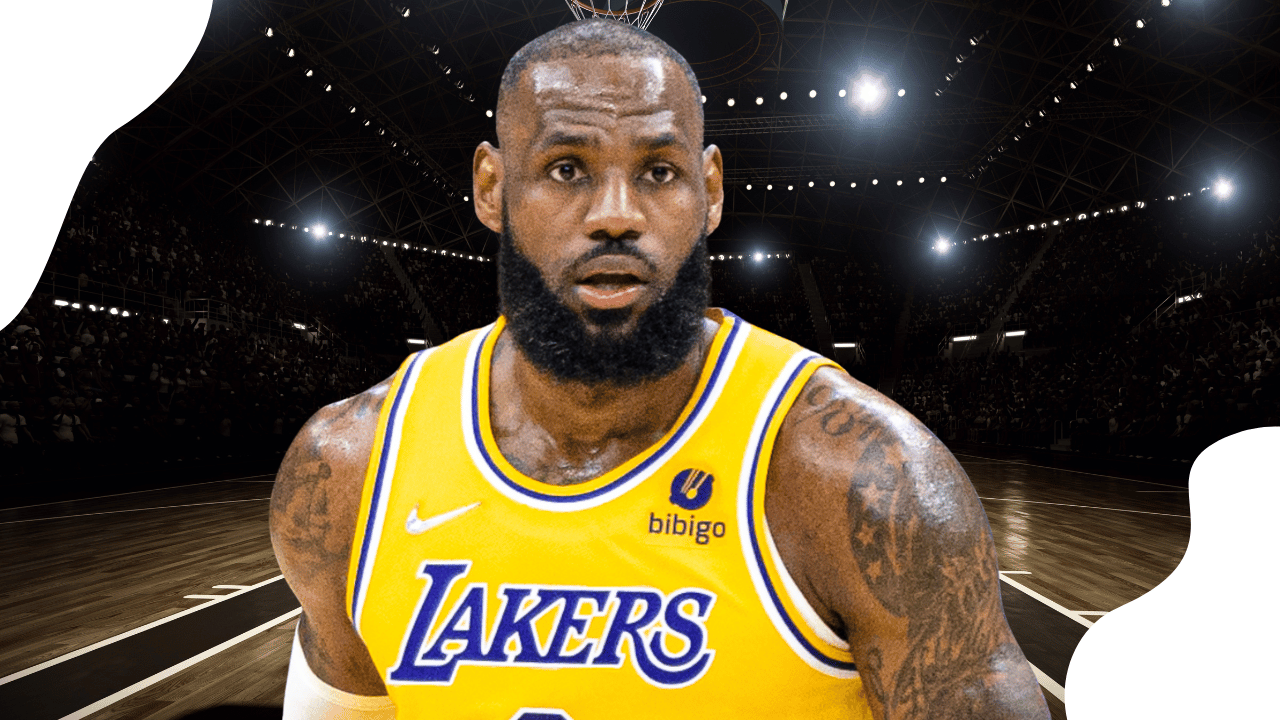
LeBron James became the first active NBA player to reach billionaire status back in 2022, and his wealth has kept climbing since. A big driver is his lifetime Nike contract, reportedly worth more than $1 billion over its lifespan.
James also holds an equity stake in Fenway Sports Group, the ownership group behind Liverpool FC and the Boston Red Sox, along with his SpringHill Company, a media and production business he co-founded that operates independently of his playing career. Like Jordan and Ronaldo, James understood early that ownership stakes matter more than salary alone.
6. Roger Federer – Estimated net worth: $1.1 billion
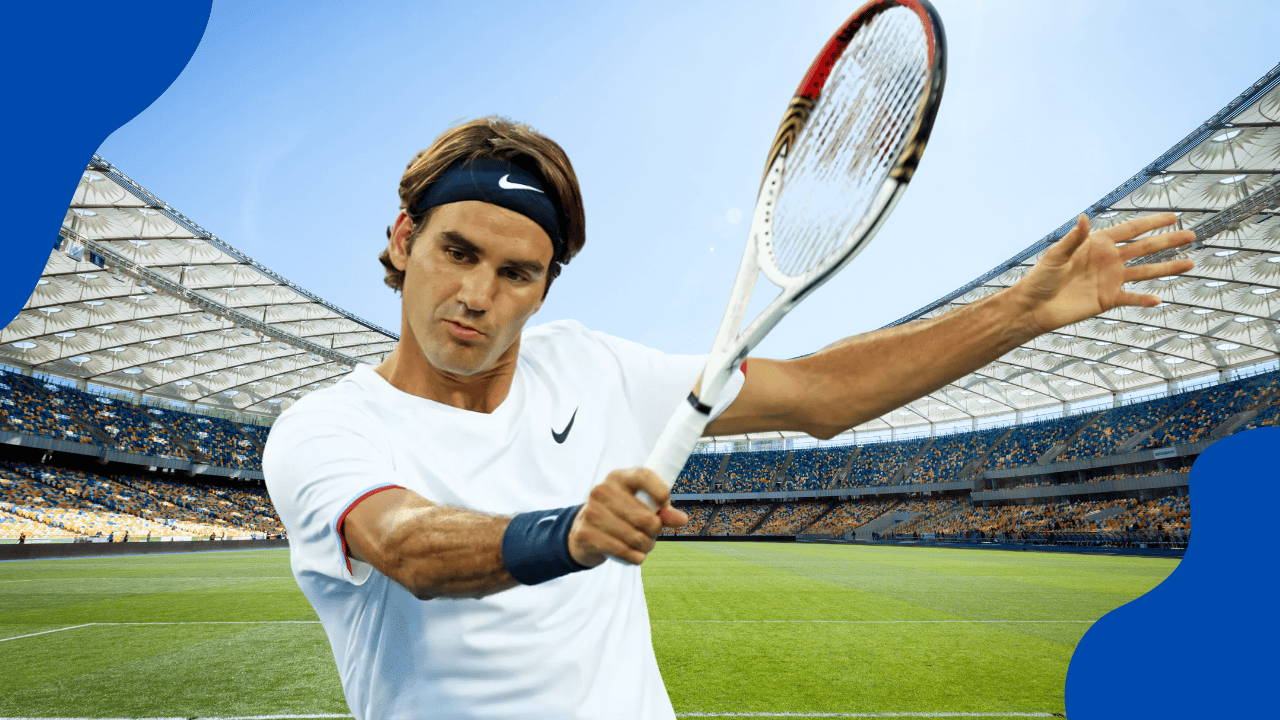
Federer is one of only two professional tennis players (alongside businessman-turned-tennis-legend Ion Tiriac) to reach billionaire status. His fortune isn’t built primarily on prize money, which is relatively modest for tennis compared to team sports.
Instead, Federer’s biggest financial win came from taking an equity stake in Swiss running shoe brand On Running instead of a standard endorsement fee. That stake has grown enormously in value as the company expanded globally, alongside long-running deals with Uniqlo, Rolex, and Mercedes-Benz.
7. David Beckham – Estimated net worth: over $1 billion (combined with Victoria Beckham)
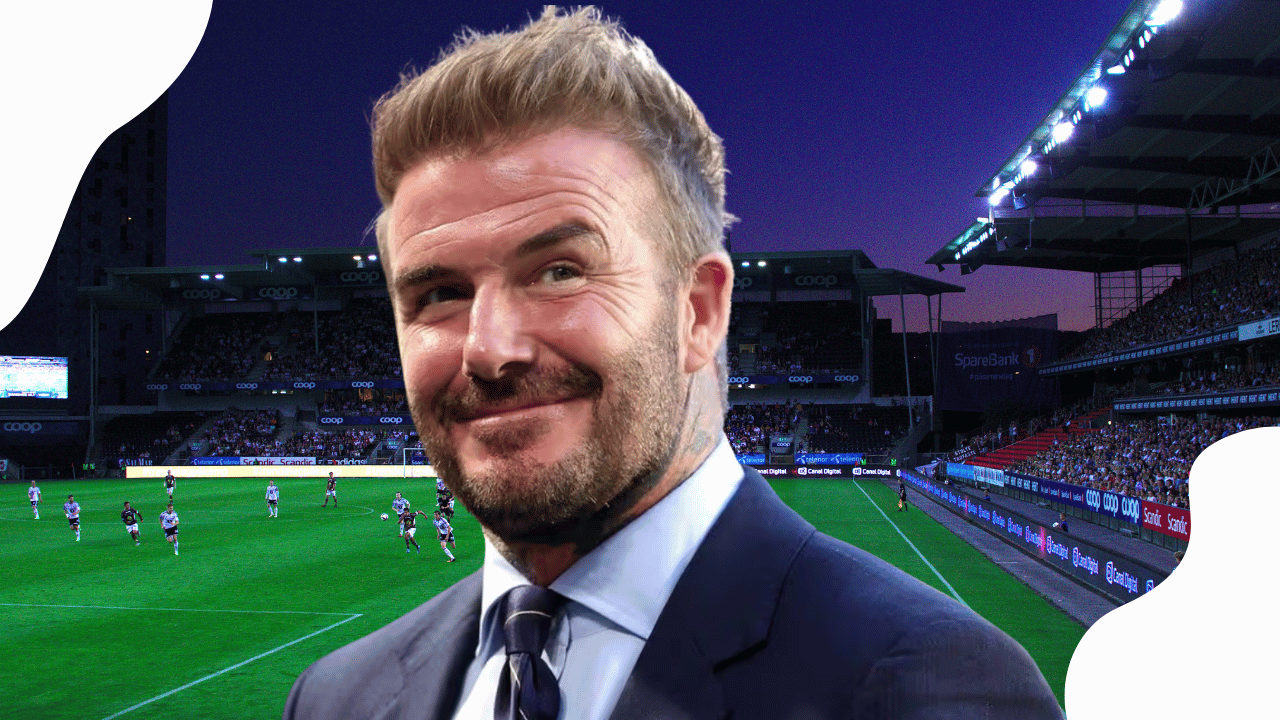
David Beckham was named Britain’s first billionaire sportsman by the Sunday Times Rich List in 2026, with his and wife Victoria’s combined fortune estimated at more than a billion pounds. Some other trackers put the couple’s combined wealth closer to $700 million, a reminder that private wealth estimates can differ significantly depending on how business equity is valued.
Beckham’s biggest financial move was co-founding Inter Miami CF in Major League Soccer, a club he now owns a stake in that’s valued at well over a billion dollars, partly thanks to signing Lionel Messi in 2023. Add in his lifetime Adidas deal and other endorsements, and Beckham has quietly built one of the most diversified portfolios in sports.
8. Floyd Mayweather – Career earnings: over $1.2 billion
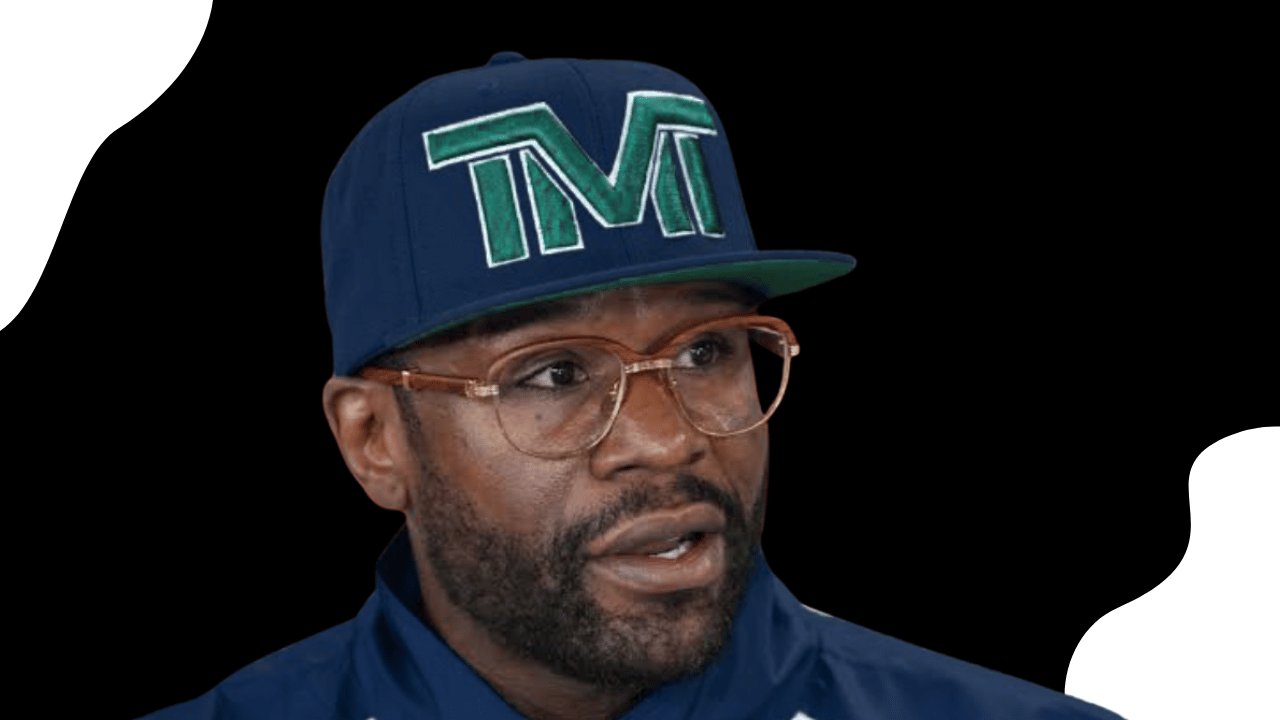
Mayweather’s career purses, pay-per-view splits, and endorsement income add up to more than $1.2 billion, making him one of the few boxers to ever reach that level of lifetime earnings. His 2015 fight against Manny Pacquiao alone reportedly earned him around $250 million.
Mayweather’s smartest business decision was buying out his own promotional contract early in his career for a relatively small sum, which let him keep the promoter’s cut of every fight afterward instead of splitting it with a promotion company. That said, his current net worth is a subject of real dispute. Legal battles over unpaid earnings and business disputes have reportedly shrunk his liquid wealth well below his peak career earnings, showing that even massive income doesn’t always translate into a lasting fortune without careful management.
9. Michael Schumacher – Estimated net worth: $600 million to $1 billion
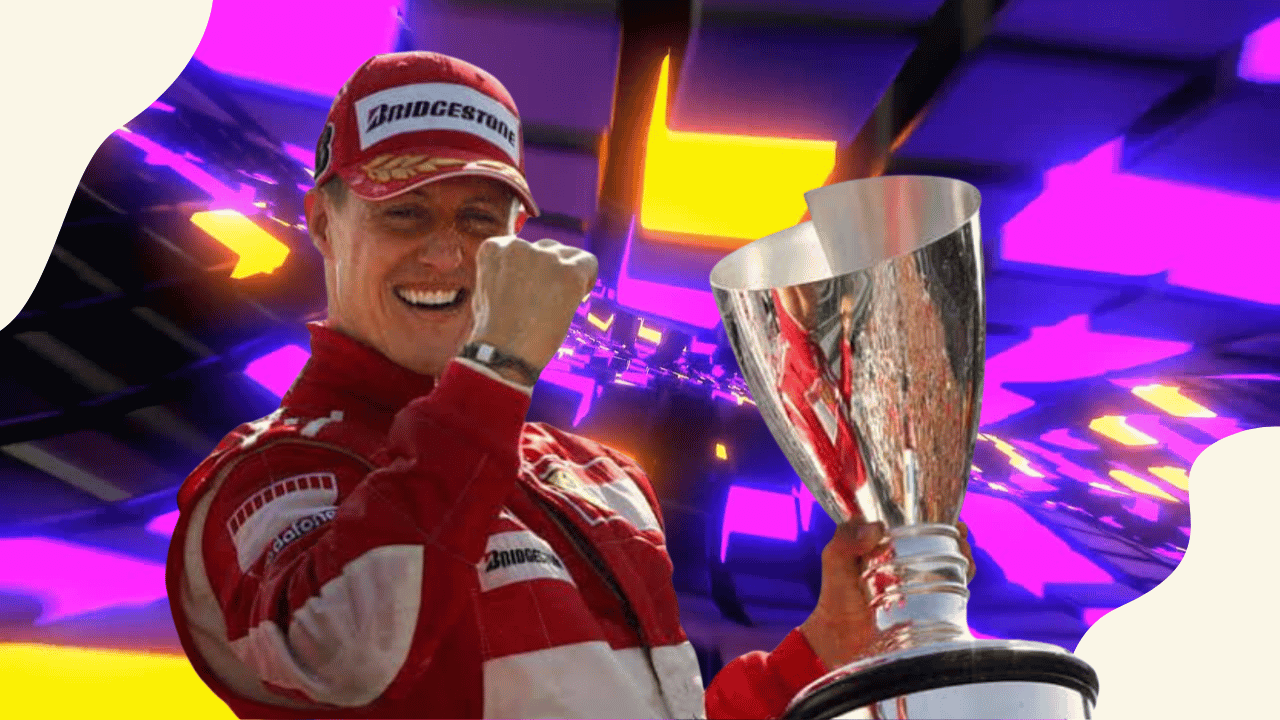
The Formula 1 legend was consistently the highest-paid athlete in the world during parts of his Ferrari years, thanks to enormous salaries and a share of sponsorship revenue tied to the team. Schumacher’s fortune came almost entirely from his racing career and associated endorsements, rather than post-retirement business ventures, since a skiing accident in 2013 left him out of the public eye.
10. Shaquille O’Neal – Estimated net worth: $500 million
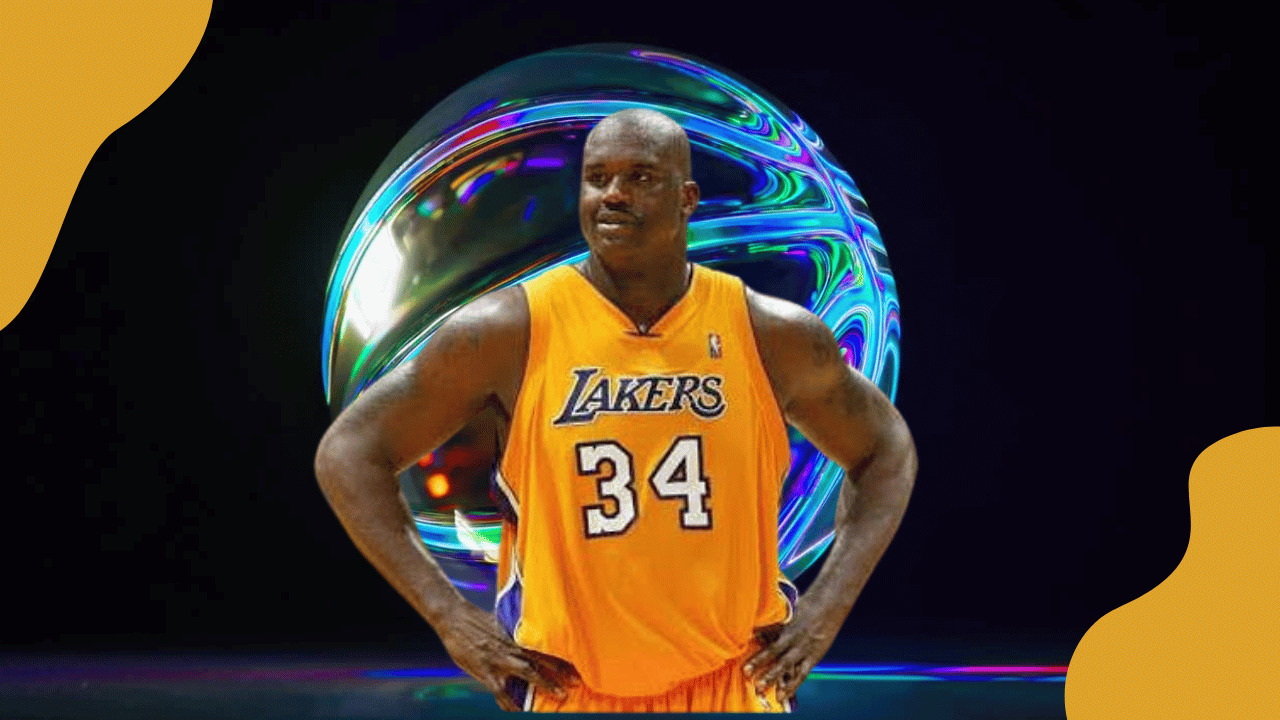
Shaq’s fortune shows that you don’t need to be the single richest player in your sport to build a huge net worth through smart choices. His NBA salary was substantial, but the bulk of his wealth came from a long list of endorsement deals (Reebok, Icy Hot, Papa John’s) combined with early equity investments in companies like Google and Auntie Anne’s, plus numerous restaurant franchises.
How Athletes Build Wealth Beyond Their Sporting Careers
Looking at this list as a whole, a clear pattern emerges. Almost none of these athletes got to this level of wealth purely from playing their sport.
They transition from earner to owner. Salaries and prize money are linear. You earn what you’re paid, and it stops the moment you stop playing. Equity is different. Owning part of a company, a team, or a brand means the value can keep growing whether or not you’re actively working. Jordan’s Hornets sale, Beckham’s Inter Miami stake, and James’ Fenway Sports Group equity all follow this exact pattern.
They build their own brands instead of just endorsing someone else’s. Ronaldo’s CR7 empire and Woods’ Sun Day Red line are both examples of athletes capturing the profit margin themselves rather than handing it to a sponsor.
They diversify early. Magic Johnson and Shaquille O’Neal both spread their money across industries that have nothing to do with basketball, from coffee shops to real estate. That diversification protects wealth if any single investment underperforms.
They stay in the game financially, long after retiring physically. Federer, Beckham, and Johnson are all more active as businesspeople in retirement than they ever were as endorsers during their playing days.
They surround themselves with the right advisors. This one doesn’t make headlines, but it matters enormously. Several athletes who earned similar amounts to the names on this list never built comparable net worth, largely due to poor financial management, bad investments, or being surrounded by the wrong people.
The Importance of Endorsements and Investments
If there’s one lesson that ties this entire list together, it’s this: endorsements and investments, not salaries, separate the merely rich from the genuinely wealthy.
Consider the math. Even the highest professional sports salaries, while enormous by any normal standard, are capped by league rules, contract length, or career lifespan. A boxer can only fight so many times. A footballer can only play into their late thirties at most. Endorsement income and business equity have no such ceiling.
This is exactly why Ronaldo, despite earning a reported $300 million in 2026 alone (the highest single-year figure Forbes has ever recorded for an athlete), still trails Michael Jordan in total net worth. Jordan hasn’t earned an NBA salary in over two decades, but his Nike royalties and business sales have kept compounding the entire time.
The athletes who reach billionaire status almost always take the same fork in the road at some point in their careers: they stop negotiating for bigger paychecks and start negotiating for ownership. That single shift, from being paid by a brand to owning a piece of one, is the real difference between the highest-paid athletes and the richest ones.
Frequently Asked Questions
Who is the richest athlete in the world? Michael Jordan holds the title of richest athlete of all time, with an estimated net worth around $3.5 billion, built primarily through Nike royalties and the sale of his stake in the Charlotte Hornets.
Which footballer has the highest net worth? Cristiano Ronaldo is generally considered the richest active footballer, with an estimated net worth of around $1.4 billion. Depending on how you value his Inter Miami ownership stake, David Beckham’s combined fortune with Victoria Beckham may actually be higher, though estimates vary significantly by source.
How do athletes become billionaires? Most athlete billionaires got there through equity ownership rather than salary alone. Common paths include owning stakes in sports franchises, negotiating equity in sponsor companies instead of flat endorsement fees, and building independent business ventures in real estate, media, or consumer brands.
Which athlete earns the most from endorsements? Cristiano Ronaldo currently earns the most from endorsements among active athletes, with deals spanning Nike, Binance, and his own CR7 brand contributing tens of millions annually. Historically, Tiger Woods and Michael Jordan also ranked among the highest endorsement earners of their eras.
Who was the first billionaire athlete? Tiger Woods is widely credited as the first athlete to reach billionaire status while relying primarily on income from playing and endorsing, achieving the milestone through decades of prize money, Nike endorsements, and golf course design fees. Michael Jordan later surpassed him after the sale of his Charlotte Hornets stake.
Final Thoughts
The world’s richest athletes didn’t get there by accident, and they usually didn’t get there through sport alone. Every name on this list eventually made the same pivot: from athlete to entrepreneur, from endorser to owner, from earning a paycheck to building an asset.
That’s really the takeaway for anyone who isn’t a professional athlete too. Whether you’re managing a modest salary or a seven-figure business, the same principle applies. Income pays the bills. Ownership builds the fortune.
As the next generation of stars, from Shohei Ohtani to rising football and basketball talents, continue climbing the earnings charts, it will be worth watching which of them apply the same lessons that turned Jordan, Woods, Ronaldo, and Beckham from well-paid athletes into some of the wealthiest people on the planet.
