- What Makes an Arsenal Moment Memorable?
- 1930 to 1935: Herbert Chapman Builds a Dynasty
- 1970 and 1971: Europe and the First Double
- The Fairs Cup comeback, 1970
- The Double, 1971
- 1979: The Five-Minute Final
- 26 May 1989: Michael Thomas at Anfield
- The Arsène Wenger Years: Doubles and the Invincibles
- 1998: The Double in Wenger's first full season
- 2002: Champions at Old Trafford
- 2003-04: The Invincibles
- 2006: Goodbye Highbury, heartbreak in Paris
- FA Cup Kings: 2014 to 2020
- Arsenal Women: England's Only European Champions
- 2025-26: The 22-Year Wait Ends
- Budapest, 30 May 2026
- What Connects Arsenal's Greatest Moments
A last-second goal at Anfield. A league season without a single defeat. A 22-year wait for the title that finally ended in May 2026. Arsenal’s history is full of nights that supporters still talk about decades later.
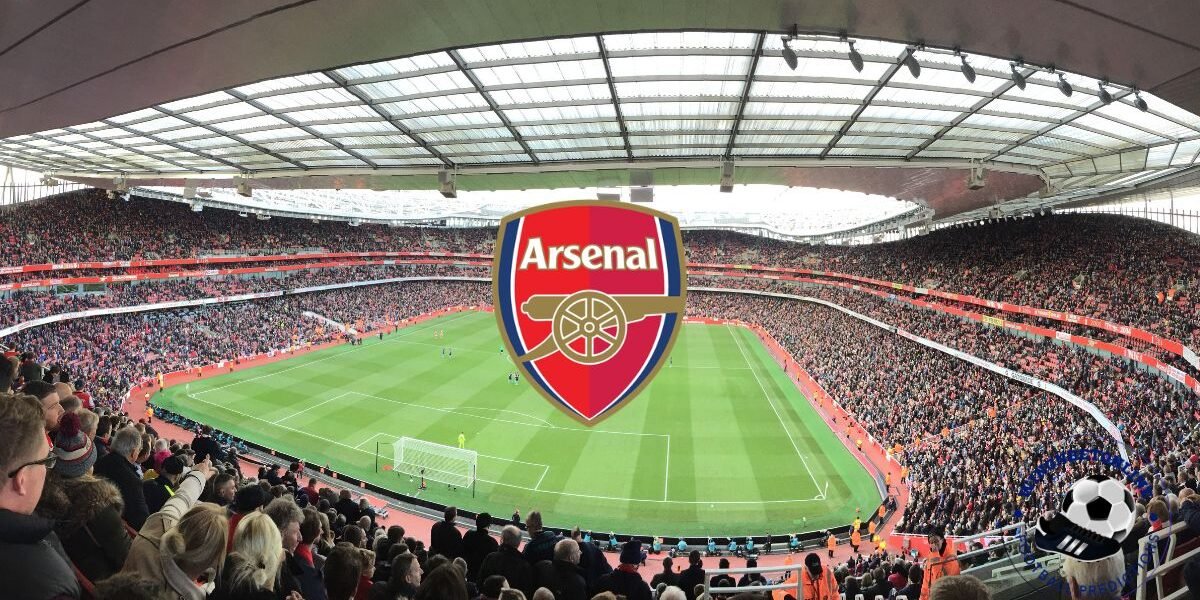
Arsenal are one of the most successful clubs in English football, with 14 top-flight league titles and a record 14 FA Cups. The club was formed in 1886 by workers at the Royal Arsenal munitions factory in Woolwich, south-east London, and first played as Dial Square. It moved north to Highbury in 1913 and to the Emirates Stadium in 2006.
This guide goes through the club’s history in order, from Herbert Chapman’s dynasty in the 1930s to Mikel Arteta’s title-winning team. For each moment, it explains what happened, who made the difference and why it still matters to Arsenal fans around the world.
What Makes an Arsenal Moment Memorable?
Not every trophy becomes a legend. The moments fans remember most usually combine at least one of four things: a major trophy, late drama, a record that changed football history, or a turning point that started a new era for the club. The list below includes all four types, and it also covers Arsenal Women, whose European success is unique in English football.
1930 to 1935: Herbert Chapman Builds a Dynasty
Herbert Chapman arrived from Huddersfield Town in 1925 and turned Arsenal into England’s leading club. His team won the FA Cup in 1930, beating Huddersfield 2-0 at Wembley for Arsenal’s first major trophy, and then claimed the club’s first league title in 1930-31.
Arsenal went on to win three league titles in a row between 1932-33 and 1934-35. Chapman died suddenly in January 1934 and did not see the run completed. His ideas, including the WM formation and his campaign to rename the local Gillespie Road Underground station as Arsenal in 1932, shaped the identity of the club for generations.
1970 and 1971: Europe and the First Double
The Fairs Cup comeback, 1970
Arsenal’s first European trophy came in the Inter-Cities Fairs Cup, a forerunner of the UEFA Cup. After losing the first leg of the final 3-1 to Anderlecht in Brussels, Bertie Mee’s side won 3-0 at a packed Highbury to take the trophy 4-3 on aggregate. It ended a 17-year wait for silverware.
The Double, 1971
A year later, Arsenal won the league and FA Cup in the same season for the first time. They clinched the title on 3 May 1971 with a 1-0 win at White Hart Lane, home of their biggest rivals Tottenham, thanks to a late Ray Kennedy header. Five days later, Charlie George scored in extra time to beat Liverpool 2-1 in the FA Cup final, then lay flat on the Wembley grass in one of English football’s most famous celebrations.
1979: The Five-Minute Final
The 1979 FA Cup final against Manchester United looked finished. Arsenal led 2-0 with five minutes left, but Gordon McQueen and Sammy McIlroy scored in quick succession to make it 2-2. Straight from the restart, Liam Brady drove forward, Graham Rix crossed and Alan Sunderland finished at the far post to win it 3-2. The game is still known as the five-minute final.
26 May 1989: Michael Thomas at Anfield
This is the moment many supporters call the greatest in Arsenal’s history. George Graham’s side travelled to Liverpool for the final game of the 1988-89 First Division season, three points behind the champions. Under the rules, Arsenal needed to win by at least two goals. If points and goal difference were level, the team with more goals scored would take the title.
Alan Smith headed Arsenal in front early in the second half. Then, in stoppage time, Michael Thomas ran onto Smith’s flick, got past Steve Nicol and lifted the ball over goalkeeper Bruce Grobbelaar. The 2-0 win gave Arsenal their first league title in 18 years on goals scored, in what is widely seen as the most dramatic finish to an English league season.
Graham’s team built on that night. Arsenal won the title again in 1990-91, losing just one league game all season, and in 1994 they beat Parma 1-0 in Copenhagen to win the European Cup Winners’ Cup, with Smith scoring the winner.
The Arsène Wenger Years: Doubles and the Invincibles
1998: The Double in Wenger’s first full season
Arsène Wenger arrived from Japan in 1996 and changed English football with his focus on diet, fitness and fast passing. In 1997-98 Arsenal won the Double. The title was sealed with a 4-0 win over Everton at Highbury, finished by a famous goal from captain Tony Adams, and Newcastle were beaten 2-0 in the FA Cup final.
2002: Champions at Old Trafford
Arsenal completed a third Double in 2001-02, and they won the title in the home of their main rivals. On 8 May 2002, Sylvain Wiltord scored the only goal at Old Trafford to confirm Arsenal as champions. They had already beaten Chelsea 2-0 in the FA Cup final, with goals from Ray Parlour and Freddie Ljungberg.
2003-04: The Invincibles
The defining achievement of the Wenger era came in 2003-04, when Arsenal went through the entire 38-game Premier League season unbeaten. They won 26 and drew 12, collecting 90 points. Thierry Henry won the Golden Boot with 30 league goals, supported by players such as Patrick Vieira, Dennis Bergkamp, Robert Pires, Sol Campbell and Ashley Cole.
No other team has gone a full 38-game top-flight season in England without losing. The only earlier unbeaten champions were Preston North End in 1888-89, who played just 22 league matches. Arsenal’s run eventually reached 49 league games before ending at Old Trafford in October 2004, and Henry later became the club’s record scorer with 228 goals.
2006: Goodbye Highbury, heartbreak in Paris
On 7 May 2006, Arsenal played their last match at Highbury after 93 years. Henry scored a hat-trick in a 4-2 win over Wigan that also secured Champions League football. Ten days later in Paris, Arsenal played their first Champions League final. Goalkeeper Jens Lehmann was sent off early, yet Sol Campbell headed the ten men in front. Barcelona scored twice late on to win 2-1.
FA Cup Kings: 2014 to 2020
After moving to the Emirates, Arsenal went nine years without a trophy. The run ended in the 2014 FA Cup final, when they recovered from 2-0 down against Hull City inside the first ten minutes to win 3-2 after extra time, with Aaron Ramsey scoring the winner.
More cups followed in 2015 and 2017. In August 2020, during the pandemic, Pierre-Emerick Aubameyang scored twice to beat Chelsea 2-1 in an empty Wembley. It was Arteta’s first trophy as manager, less than a year after his appointment, and it made Arsenal the competition’s record winners with 14 FA Cups.
Arsenal Women: England’s Only European Champions
Arsenal Women won the UEFA Women’s Cup in 2007 as part of an historic quadruple season. They remain the only English club to be crowned champions of Europe in the women’s game.
In 2025 they did it again. In the Champions League final in Lisbon on 24 May, Arsenal faced Barcelona, the defending champions and heavy favourites. Substitute Stina Blackstenius scored in the 75th minute after a pass from fellow substitute Beth Mead, and Arsenal held on to win 1-0. Captain Kim Little said afterwards: “We had to be basically perfect to beat Barcelona.”
2025-26: The 22-Year Wait Ends
Arteta’s team had finished second in the Premier League three seasons in a row. In 2025-26 they finally went one better. After beating Burnley, Arsenal were confirmed as champions on 19 May 2026 when Manchester City drew 1-1 at Bournemouth, leaving the Gunners out of reach with a game to spare.
It was Arsenal’s 14th league title and their fourth in the Premier League era. Set pieces were a major weapon, with 35 set-piece goals in all competitions, and David Raya won the Golden Glove. Arsenal also had the league’s youngest squad, and 16-year-old Max Dowman became the youngest player ever to win the Premier League.
Budapest, 30 May 2026
Eleven days later, Arsenal played only their second Champions League final, having gone unbeaten through the league phase and beaten Atletico Madrid in the semi-final. Kai Havertz scored after six minutes against Paris Saint-Germain, but Ousmane Dembélé equalised and the game finished 1-1 after extra time. PSG won the shootout 4-3, so the European Cup remains the one major trophy missing from Arsenal’s collection.
What Connects Arsenal’s Greatest Moments
Look across 140 years and a pattern appears. Many of Arsenal’s best memories came in the final minutes, like Thomas at Anfield and Sunderland at Wembley, or after long waits, from the 18 years before 1989 to the 22 years before 2026. The Invincibles remain the club’s most unique achievement, while the Champions League is still the target for the next chapter.
