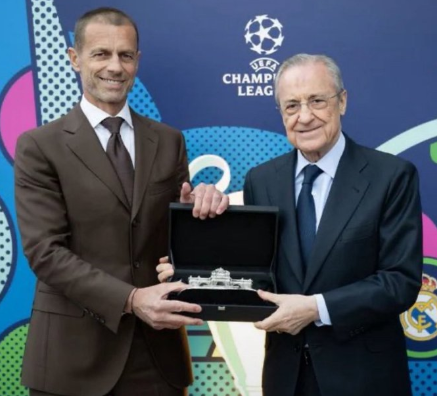
UEFA has denied reports suggesting imminent changes to the UEFA Champions League format following discussions with representatives of the Super League project, including Real Madrid and Barcelona. UEFA confirmed meetings between its general secretary and Super League co-founder Anas Laghrari but emphasized no formal agreements or format alterations are planned.
Recent reports by Spanish media outlet Mundo Deportivo claimed UEFA had held several meetings with A22, the entity behind the Super League proposal, and leading European clubs to explore potential reforms. These talks reportedly considered modifying the Champions League to incorporate features of the Super League model, such as increasing high-profile matches and making games free-to-air. However, UEFA described these discussions as transparent and exploratory, yielding no concrete outcomes.
The current Champions League structure, introduced in the 2024-25 season, replaced the traditional group stage with a 36-team league phase format. The A22 Super League concept, unveiled in December 2024, proposes a 64-club competition divided into three tiers with promotion and relegation, streamed via a dedicated free-to-air platform named “Unify.” The initiative emerged after a 2023 European Court of Justice ruling criticized UEFA and FIFA for allegedly abusing dominance in response to the Super League’s original 2022 attempt.
Sources close to the Super League have confirmed dialogue with UEFA officials, albeit in public settings and without secrecy or formal negotiations. Mundo Deportivo also reported that the Super League group is advocating a 2027 compromise proposal to partially integrate their suggested structure by splitting the 36 Champions League teams into two groups based on UEFA rankings, intending to increase marquee fixtures while preserving the competition’s name.
This reaffirmation of stability by UEFA in the Champions League format underscores its commitment to the current competition framework despite ongoing debates regarding European football governance and the future balance between traditional tournaments and breakaway leagues. For UEFA, maintaining the integrity and commercial success of their flagship tournament remains a strategic priority amid complex stakeholder dynamics.