- What Is a Playmaker in Football? The Basic Idea
- What Makes a Great Playmaker
- The Number 10 Shirt and the Playmaker
- What Is a Playmaker in Football? The Advanced Playmaker
- What Is a Playmaker in Football? The Deep-Lying Playmaker
- What Is a Playmaker in Football? Other Playmaker Roles
- How the Playmaker Role Changed with Formations
- Famous Playmakers in Football History
- What Is a Playmaker in Football? Frequently Asked Questions
- Is a playmaker always the number 10?
- What is the difference between an advanced playmaker and a deep-lying playmaker?
- What is a regista?
- Can a team have two playmakers?
- Does a playmaker need to defend?
- Who are the most famous playmakers?
- Conclusion
What is a playmaker in football? A playmaker is the footballer who controls the flow of the team’s play. Overall, he stands at the heart of the passing moves that lead to goals, and with vision, technique, ball control, creativity and passing ability, the playmaker makes the team tick. In fact, the playmaker makes team-mates look better.
Last updated: November 2026
Quick Answer
- What is a playmaker in football? The team’s main creator, the player who controls the flow of play and sets up goals.
- Playmakers are often called the “number 10”, but a playmaker does not have to wear number 10.
- The two main types are the advanced playmaker and the deep-lying playmaker, called a regista in Italy.
- Famous playmakers include Andrea Pirlo, Xavi Hernández, Zinedine Zidane, Kevin De Bruyne and Jay-Jay Okocha.
What Is a Playmaker in Football? The Basic Idea
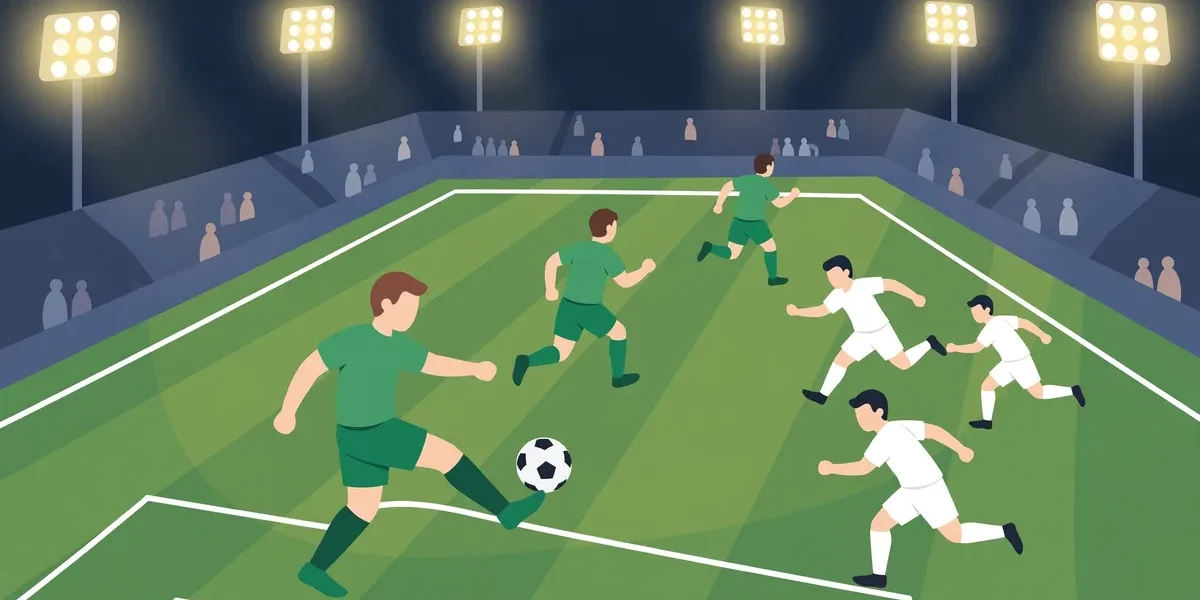
A playmaker is the player who runs the game for the team. He takes the ball in midfield and decides what happens next. In fact, he reads the match and spots the space. After that, he picks the pass that opens up the defence, slowing the game down before splitting the defence with a through ball.
In addition, he is involved in the passing moves that lead to goals. He does not always score the goal or make the final pass. In fact, he may have started the move with a switch of play.
Playmakers are not tied to one position. They can operate in central midfield, on the wings, or as a creative supporting striker. As a result, he can appear anywhere on the pitch where the team needs a creative spark. To learn where each player fits on the pitch, read our guide on football positions explained.
What Makes a Great Playmaker
A great playmaker needs a set of gifts that work together. Vision comes first. He sees a pass before anyone else does and spots a team-mate’s run while the defence still looks settled. Technique comes next: he takes the ball under pressure, keeps it close, and releases it cleanly.
Ball control lets him work in tight spaces, and creativity lets him try the pass that nobody else sees. In addition, passing ability turns the idea into a ball that arrives at the right foot at the right moment. Tactical awareness tells him where to stand and when to move. Composure on the ball keeps all of it working when opponents press hard. Together, these gifts answer the question of what is a playmaker in football. The playmaker sees the game a step ahead of everyone else.
He is not usually known for defensive work. For that reason, teams often support him with a defensive midfielder who wins the ball and covers the space behind.
The Number 10 Shirt and the Playmaker
Fans often call the playmaker the “number 10” of the team, because playmakers often wear the number 10 shirt. The number 10 carries a special meaning in football: it marks the team’s creator.
However, the number 10 does not have to be a playmaker. In fact, he does not have to wear number 10. Kevin De Bruyne is a playmaker from the number 8 position. Andrea Pirlo was one from the number 6 position. Indeed, the shirt number tells you where the player stands, not what the player does.
The link between the playmaker and the number 10 comes from the classic shape of the game. For example, in older formations, the number 10 played behind the strikers and pulled the strings, and the shirt kept its meaning even as formations changed.
What Is a Playmaker in Football? The Advanced Playmaker
The advanced playmaker plays high up the pitch in a free role between the midfield and the forwards. He usually works as a number 8, a number 10 or a trequartista, the Italian word for a player who plays between the lines. He creates chances with through balls and final passes, and also scores goals.
In attack, he hunts for the killer pass. He drifts into pockets of space between the opponent’s midfield and defence. After that, he takes the ball on the turn and slips a team-mate through on goal.
Advanced playmakers can also operate on the wings as a half-winger or an inverted winger. A wide one cuts inside from the wing onto the stronger foot and creates from there. For example, Lionel Messi is a famous example.
What Is a Playmaker in Football? The Deep-Lying Playmaker
The deep-lying playmaker works from a deep position, in or even behind the main midfield line, in central or defensive midfield. He uses space and time on the ball to dictate the tempo of the team’s play. In fact, the regista orchestrates the whole team, not just the attacks. In Italy, this player is called a regista, which means director.
The regista starts the attacks from deep, switches the play with long passes, and sets the rhythm of the match. In fact, deep-lying playmakers are known for vision, technique and passing, and for striking ability from distance.
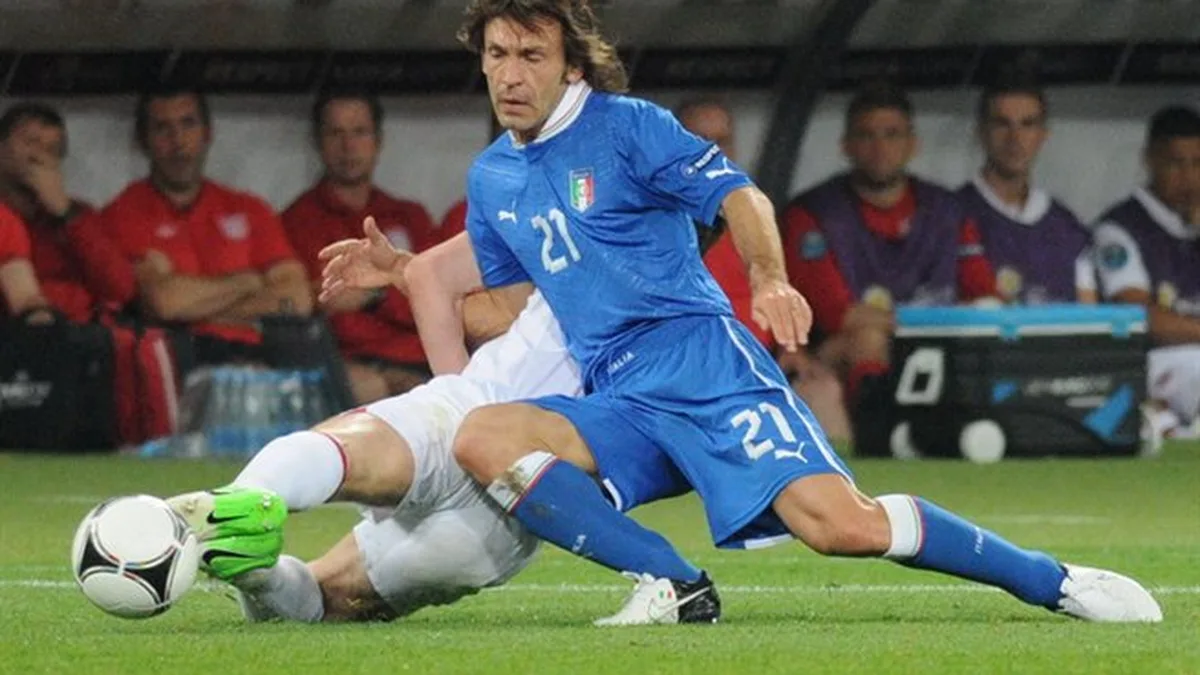
Deep-lying playmakers often wear the numbers 8, 6 or 5, particularly in South American football. Andrea Pirlo is the classic example. Pirlo played the regista role for Italy against England in the Euro 2012 quarter-final. Xabi Alonso is another famous example. Falcão played the same role for Brazil in 1982.
What Is a Playmaker in Football? Other Playmaker Roles
The playmaker role has several other forms. The false-10 is a playmaker who drops deep from the forward line. The false-10 starts high up the pitch, then drops into midfield to collect the ball and create. As a result, a defender follows him out of position and space opens up for team-mates.
The “nine and a half” is a free, creative second striker or inside-forward who links midfield and attack. Michel Platini used the term for Roberto Baggio. He is neither a pure striker nor a pure midfielder. Instead, the player floats between the two lines and creates from there. Dennis Bergkamp is a famous example of a second striker who dropped deep to create.
In Brazil, the attacking playmaker is known as the “ponta de lança”, which means point of the lance. For example, Pelé played that role at the 1958 World Cup.
How the Playmaker Role Changed with Formations
The playmaker role changed as formations changed. Older teams built everything around one number 10 behind the strikers, while modern teams spread the creative work across more players.
The 4-2-3-1 formation needs at least one creator in the line of three behind the striker. It also allows a deep-lying playmaker, a Xabi Alonso type, to play alongside the advanced creator. As a result, a team can have two playmakers at the same time, one deep and one high up the pitch. To see how the shapes work, read our guide on football formations explained.
Formations also pushed playmakers wide. For example, wingers who cut inside act as playmakers from the flanks. Deep midfielders who dictate play act as playmakers from the back of midfield. The role is no longer one shirt or one spot: it is a job, and several players can share it.
Famous Playmakers in Football History
When fans ask what is a playmaker in football, these are the names that come up first. For example, Andrea Pirlo ran games from deep as a regista. Xavi Hernández and Andrés Iniesta ran games with short passing and movement. Zinedine Zidane ran games with grace and control in the final third.
Kevin De Bruyne creates from the number 8 position with passes that cut defences open. Mesut Özil created with vision and a final pass. Luka Modrić and Toni Kroos control games with passing and tempo. Günter Netzer, Zico and Sócrates lit up Brazil’s 1982 team with creativity.
Nigeria has its own great playmaker in Jay-Jay Okocha, Nigeria’s most gifted playmaker. In fact, Okocha beat defenders with skill and created chances with flair. For the full story of his career, read our profile of Jay-Jay Okocha.
What Is a Playmaker in Football? Frequently Asked Questions
These are the questions fans ask most about what is a playmaker in football.
Is a playmaker always the number 10?
No. Playmakers often wear number 10, but Kevin De Bruyne plays the role from number 8, and Andrea Pirlo played it from number 6. The shirt number does not define the role.
What is the difference between an advanced playmaker and a deep-lying playmaker?
The advanced playmaker plays high up the pitch between midfield and the forwards, and creates chances with through balls and final passes. The deep-lying playmaker, or regista, plays from deep and dictates the tempo of the whole team.
What is a regista?
A regista is the Italian name for a deep-lying playmaker. In fact, the regista plays in or behind the main midfield line. The regista directs the team’s play with vision, technique and long passing.
Can a team have two playmakers?
Yes. A team can play both types at the same time. For example, the 4-2-3-1 formation allows a deep-lying playmaker to play alongside the advanced creator.
Does a playmaker need to defend?
A playmaker is not usually known for defensive work.
Who are the most famous playmakers?
Andrea Pirlo, Xavi Hernández, Andrés Iniesta, Zinedine Zidane, Kevin De Bruyne, Luka Modrić, Toni Kroos and Jay-Jay Okocha are among the most famous playmakers.
Conclusion
So what is a playmaker in football? The playmaker is the team’s main creator, controlling the flow of the game and turning possession into chances. High up the pitch, the advanced playmaker creates, while the deep-lying playmaker, the regista, directs the game from deep. The number 10 shirt often marks the playmaker, but the role matters more than the number. Finally, a great playmaker sees the pass before anyone else does, and makes the whole team better. For more football stories, visit our Sports News page. Follow the next matches on our free live scores page.