

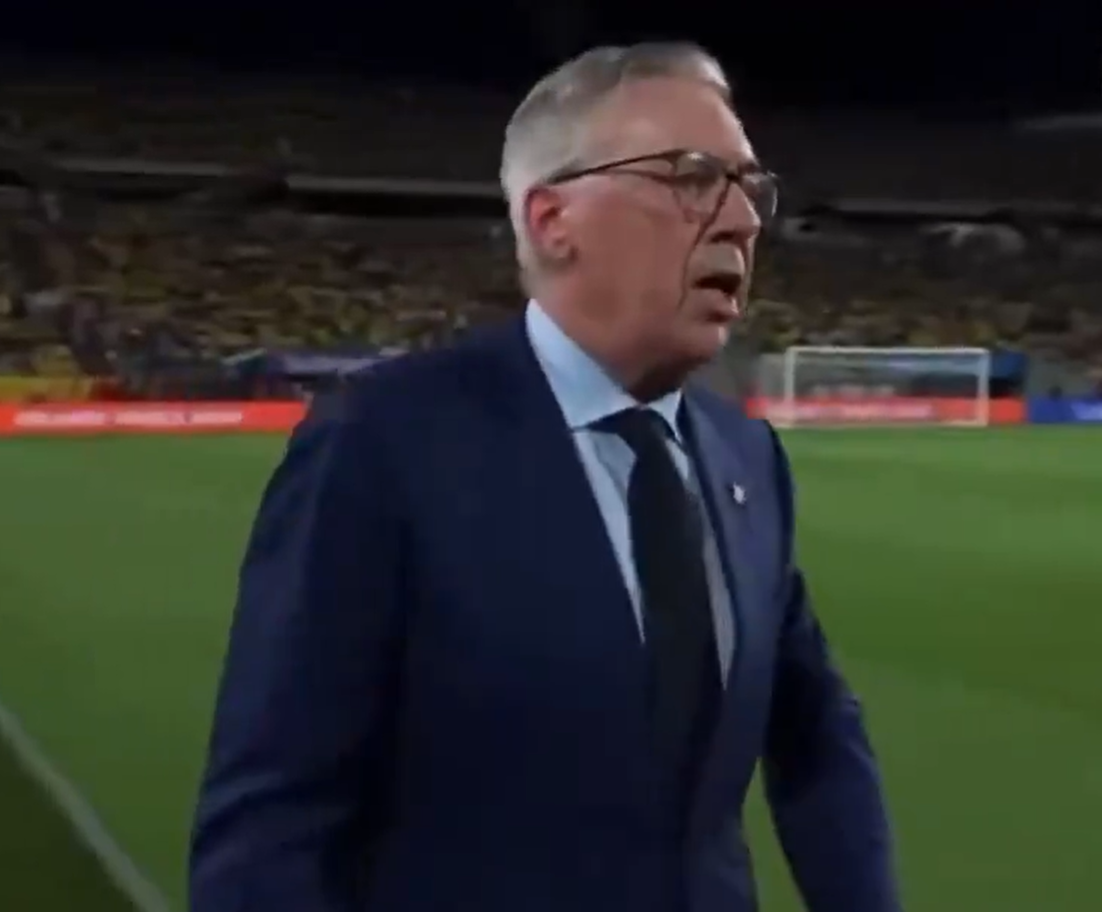
Carlo Ancelotti has been handed one of the biggest tasks in world football as he attempts to guide Brazil back to the top of the global game at the FIFA World Cup 2026.
Brazil’s decision to appoint the experienced Italian coach marked a major shift for the national team, with the five time world champions turning to a European manager in a bid to end their long wait for another World Cup title.
The Selecao last lifted football’s biggest trophy in 2002, extending a drought that now stretches beyond two decades. Expectations remain enormous in a country where international football carries unmatched emotional weight.
Ancelotti arrives with a reputation few coaches can match. The former Real Madrid boss has won league titles across Europe and lifted the Champions League five times during spells with Madrid and AC Milan.
Now 66, he takes charge of a Brazil side still searching for consistency after a turbulent period following the 2022 World Cup in Qatar.


Brazil have struggled to turn talent into trophies in recent tournaments. Since their triumph in 2002, they have suffered four quarter final exits in five World Cups, with the painful 7-1 defeat to Germany on home soil in 2014 remaining one of the darkest moments in the nation’s football history.
The departure of former coach Tite after the loss to Croatia in Qatar triggered a period of instability. Short spells under Fernando Diniz and Dorival Junior failed to fully convince, leading the Brazilian Football Confederation to turn to Ancelotti.
While Brazil secured qualification for the 2026 World Cup, their performances raised concerns. The team finished well behind reigning world champions Argentina in South American qualifying, prompting further pressure for change.
Ancelotti has already started reshaping the squad while maintaining experienced leaders in key areas. Several players from the 2022 World Cup remain involved, although injuries have ruled out names including Éder Militão, Rodrygo and Estêvão.
One of the biggest talking points has been the return of Neymar. The 34-year-old forward, now playing for Santos FC, has not represented Brazil since 2023 because of injury problems, but Ancelotti still included him in his World Cup plans.
While Neymar’s role may be more limited than in previous tournaments, Brazil’s attack will largely revolve around Vinícius Júnior, supported by players such as Matheus Cunha and Raphinha.


In midfield, the experience of Casemiro and Bruno Guimarães is expected to provide balance, while defenders Gabriel Magalhães and Marquinhos bring experience at the back.
Brazil will begin their World Cup campaign against Morocco in New Jersey on June 13, with Scotland and Haiti also in their group.
Despite questions surrounding Brazil’s recent record against European opponents in knockout football, confidence around Ancelotti’s leadership remains high. The Brazilian Football Confederation has already moved to extend his contract through to the 2030 World Cup.
CBF president Samir Xaud said the federation wanted to maximise the opportunity of working with one of football’s most decorated coaches.
For Brazil, the objective is clear. The nation that once dominated world football wants its place back at the summit, and Carlo Ancelotti is now the man expected to deliver it.


