- What Is a Winger in Football?
- The Main Job of a Winger
- Where the Winger Came From
- What Is a Winger in Football: The Classic Winger
- The Inverted Winger
- What Is a Winger in Football in the Modern Game
- Winger vs Wing-Back
- What Is a Winger in Football? Skills a Winger Needs
- What Is a Winger in Football? Frequently Asked Questions
- What is a winger in football?
- What number does a winger wear?
- What is the difference between a winger and a wing-back?
- What is an inverted winger?
- Who are the most famous wingers in football history?
- Do wingers need to defend?
- Conclusion
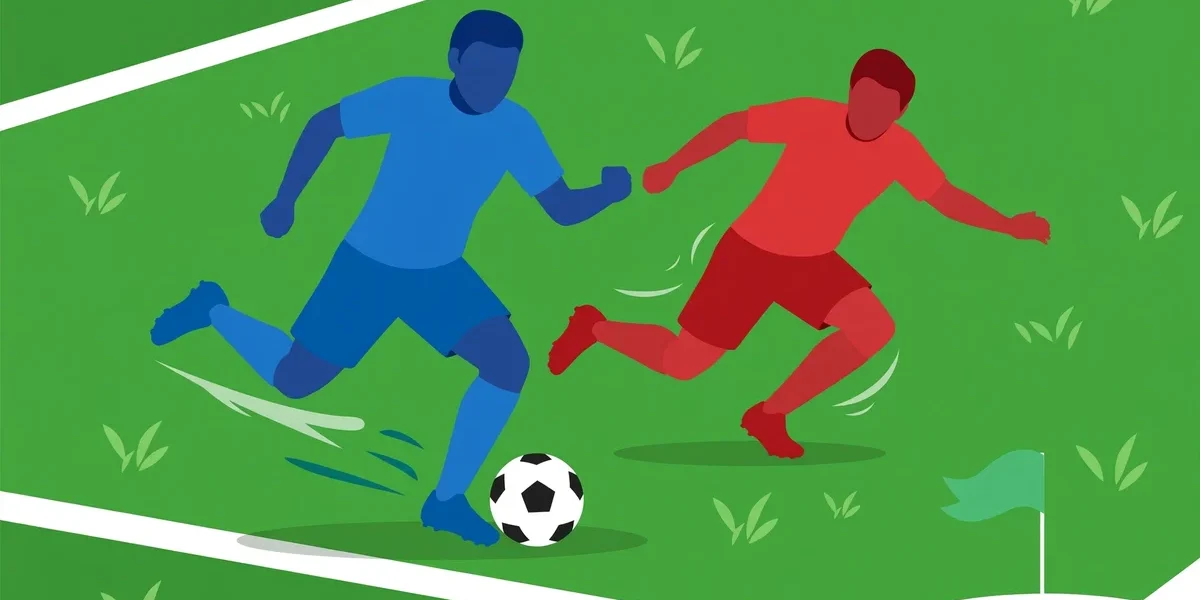
What is a winger in football? A winger is an attacking player who plays wide on the flank. They hug the touchline, stretch the pitch, beat the opposing full-back and create chances for the team.
Last updated: November 2026
Quick Answer
- A winger is a wide attacker. A right winger (RW) plays on the right and a left winger (LW) plays on the left.
- The traditional shirt numbers are 7 for the right winger and 11 for the left winger.
- The main job is to beat the full-back one-on-one, cross into the penalty area, cut inside to shoot, and create goals and assists.
- A classic winger stays on the same side as their stronger foot. An inverted winger plays on the opposite flank and cuts inside to shoot.
- In the modern game, a winger also tracks back, presses and helps the team defend.
What Is a Winger in Football?
The simplest answer to what is a winger in football is that the winger is the wide attacker. Meanwhile, the centre-forward waits in the middle and the midfielders control the centre. Out wide, the winger owns the space near the touchline. That width stretches the defence, because the opposing full-back must follow the winger out there.
A winger usually lines up as part of the front three or front four: in a 4-3-3, there is a winger on each side of the striker, and in a 4-2-3-1 the two wide players behind the striker do the same job. For every role on the pitch, read our guide to football positions explained.
On a team sheet, RW stands for right winger and LW stands for left winger. The classic shirt numbers are 7 for the right winger and 11 for the left winger.
The Main Job of a Winger
First, a winger must beat the full-back. Defenders mark the middle of the pitch tightly, so the space out wide is often where a team can find room. A good winger takes the ball near the touchline, runs at the full-back one-on-one and gets past them. From there, the winger has a choice: cross into the penalty area for the striker, or cut inside and shoot.
Crossing is the classic winger skill. A well-placed cross from the byline is one of the hardest balls in football to defend. Creating chances is only part of the job, though. A winger is also expected to score goals. The modern winger cuts inside and shoots, and takes shots from the edge of the penalty area. In short, a winger who only crosses and never scores is only doing half the job.
Where the Winger Came From
The winger is one of the oldest roles in football. The position grew out of the “outside forward” in the old 2-3-5 formation, and it took its modern shape in Herbert Chapman’s WM formation in the 1920s and 1930s. In those days, the outside forwards played high up the pitch on each flank, running at defenders and centring the ball.
For many years, the role was simply called the outside forward. The word “winger” only became the common name for the position from the late 1960s. The role nearly disappeared in the 1960s, when many teams switched to a back four and asked their wide players to work as midfielders instead. However, the winger came back strongly with formations such as 4-2-3-1 and 4-3-3.
What Is a Winger in Football: The Classic Winger
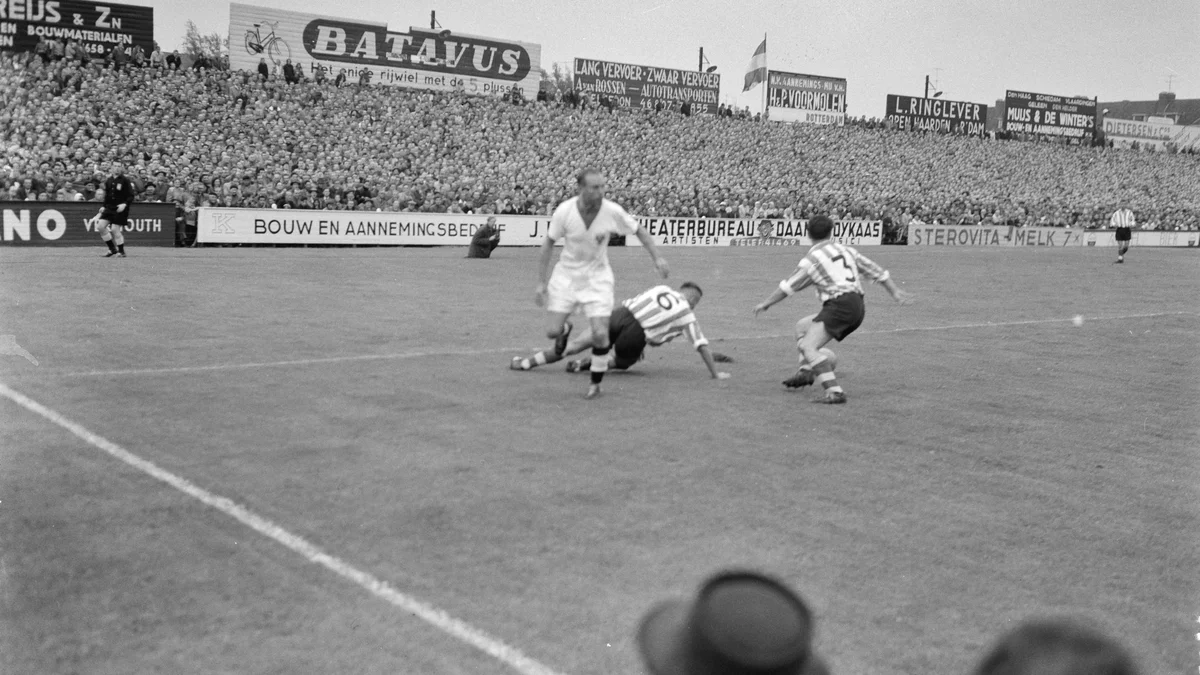
The classic winger is the traditional version of the role. A classic winger plays on the same side as their stronger foot. A left-footed player plays on the left, and a right-footed player plays on the right. They beat the full-back on the outside, reach the byline and swing a cross into the penalty area for the striker.
Stanley Matthews is the most famous classic winger of all. He starred in the 1930s, 40s and 50s, and his right-wing display helped Blackpool win the 1953 FA Cup final against Bolton. Matthews was known as the “Wizard of the Dribble” because he could beat a full-back with a feint and a burst of pace.
Other great classic wingers include Garrincha, George Best, Ryan Giggs, David Beckham and Luis Figo. Garrincha beat defenders with a dribbling style no opponent could read. Best combined pace with balance and close control. Beckham turned crossing into an art.
The Inverted Winger
The inverted winger is the modern twist on the role. An inverted winger plays on the opposite flank to their stronger foot. A left-footed player plays on the right, or a right-footed player plays on the left. Instead of crossing, the inverted winger cuts inside onto their stronger foot to shoot or pass.
This style became common in the 2000s, and by the mid-2010s it was the norm at the top level. The appeal is easy to see. A winger who receives the ball on their stronger foot is at once a shooting threat, not just a crossing threat. They can attack the gap between the full-back and the centre-back.
Lionel Messi is the most famous example of an inverted winger. He is a left-footed attacker who built his game from the right flank, cutting inside to shoot or pass. Pep Guardiola later moved him into a false nine role in 2009.
Arjen Robben made the role his own with one signature move: cutting inside from the right onto his left foot to curl the ball towards the far corner. Mohamed Salah, Bukayo Saka and Lamine Yamal are more recent examples.
What Is a Winger in Football in the Modern Game
The modern winger does far more than attack. In the modern game, a winger is also expected to track back, press and help the team defend. When the team loses the ball, the winger is often the first player to press the opposing full-back.
Systems such as 4-2-3-1 and 4-3-3 shape the modern winger’s job. In these formations, the full-backs overlap on the outside while the wingers cut inside. That gives the attack two threats on each flank. Our guide to football formations explains how these systems work.
The modern winger also moves inside more often. A winger may drift inside, swap flanks with the winger on the other side, or drop deep to link play. This movement makes the attack less predictable.
Winger vs Wing-Back
Fans often mix up the winger and the wing-back, but they are different roles. A wing-back is a defender in a back five who also attacks down the flank, while a winger is a forward whose first job is to attack. The wing-back starts from a defensive position and joins the attack, while the winger starts high up the pitch and stays there.
The wing-back has to defend first. When the team loses the ball, the wing-back drops back into the defensive line. The winger, by contrast, presses high up the pitch and rarely drops into the defensive line. You can tell the two roles apart by looking at the formation. A team playing 3-5-2 or 5-3-2 uses wing-backs, while a team playing 4-3-3 or 4-2-3-1 uses wingers.
What Is a Winger in Football? Skills a Winger Needs
A winger needs pace above all else. A winger who cannot outrun the full-back will struggle to create space. Pace lets the winger get to the byline and chase through balls. But pace alone is not enough.
Dribbling is the second key skill. A winger faces the full-back one-on-one more than any other attacker, so they must beat a defender with a touch, a feint or a change of direction. Great dribblers make it look easy, but the skill comes from hours of practice.
Crossing and shooting come next. A winger must deliver a cross that the striker can attack, and they must finish chances when they cut inside. Good wingers practise both until it feels natural. Finally, a winger needs a football brain. They must know when to stay wide and when to come inside, and when to cross and when to pass. The best wingers read the game as well as they play it.
What Is a Winger in Football? Frequently Asked Questions
What is a winger in football?
A winger is an attacking player who plays wide on the flank. In short, what is a winger in football? It is the wide attacker whose job is to beat the full-back, cross into the penalty area, cut inside to shoot, and create goals and assists for the team.
What number does a winger wear?
The traditional numbers are 7 for the right winger and 11 for the left winger, though many wingers wear other numbers.
What is the difference between a winger and a wing-back?
A winger is a forward who attacks from a high starting position. A wing-back is a defender in a back five who starts deeper and joins the attack.
What is an inverted winger?
An inverted winger plays on the opposite flank to their stronger foot, for example a left-footed player on the right, and cuts inside to shoot or pass.
Who are the most famous wingers in football history?
Stanley Matthews, Garrincha, George Best, Ryan Giggs, David Beckham, Luis Figo, Lionel Messi and Arjen Robben are among the most famous wingers.
Do wingers need to defend?
Yes. In the modern game, a winger tracks back and presses when the ball is lost. A winger who never defends leaves their own full-back exposed.
Conclusion
So what is a winger in football? It is the player who brings width, pace and excitement to the game. From the classic crosser to the inverted winger, the role has changed while keeping its heart. Overall, a great winger stretches the defence, creates chances, scores goals and works hard for the team.
If you want to learn more about the game, explore our football news section and our free football betting tips page. Next time you watch a match, keep an eye on the flanks, and follow the action with our live scores page.