- What Is a Striker in Football?
- The Striker and the Centre-Forward
- What Is a Striker in Football: The Types of Striker
- The Poacher
- The Target Man
- The Second Striker
- The Lone Striker
- The Skills a Striker Needs
- What Is a Striker in Football: Movement and Timing
- How a Striker Works With the Team
- What Is a Striker in Football in the Modern Game
- The Great Goalscorers
- What Is a Striker in Football? Frequently Asked Questions
- What is a striker in football?
- What number does a striker wear?
- What is the difference between a striker and a centre-forward?
- What is a target man?
- What is a poacher?
- Do strikers need to defend?
- Conclusion
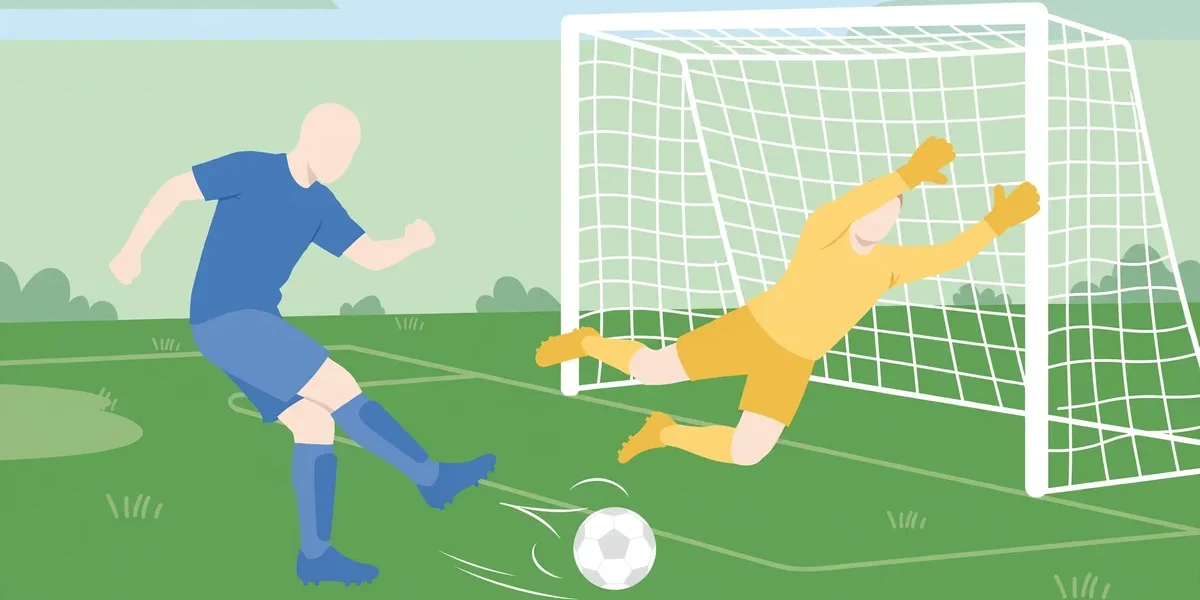
What is a striker in football? A striker is the main goalscorer, the player closest to the opponent’s goal. He plays at the top of the attack and is expected to score most of the team’s goals. Every team needs one, because goals win matches.
In short, the answer to what is a striker in football is simple: the number 9, the centre-forward, the player the whole attack is built to serve. The rest of the team wins the ball, moves it forward and creates chances. The striker finishes them.
Last updated: November 2026
Quick Answer
- A striker is the main goalscorer, the player who stands closest to the opponent’s goal.
- The striker is also called the centre-forward, and the traditional shirt number is 9.
- There are several types of striker: the poacher, the target man, the second striker and the lone striker.
- A good striker needs finishing, movement, hold-up play and pressing from the front.
- The great strikers are judged by their goals, from Pele to Rashidi Yekini.
What Is a Striker in Football?
For example, picture the final minute of a tight match. The ball is crossed into the penalty area, and one player is already moving. He meets the cross first time, and the ball is in the net. That player is the striker.
In fact, the striker plays at the top of the attack, further forward than every team-mate except the ball. His job is simple to state and hard to do: score goals. Midfielders and defenders can have a fine match without scoring. Yet a striker is judged by the number in the goals column, and every fan knows it.
For every role on the pitch, read our guide to football positions explained.
The Striker and the Centre-Forward
In fact, the two terms are often used as if they mean the same thing, and most of the time they do. A striker is a centre-forward, and a centre-forward is a striker. Yet there is a small difference in the way coaches use the words.
In contrast, a centre-forward tends to drop a little deeper and help build the play. He comes short to receive the ball, links with the midfielders and brings the wingers into the attack. A striker, in the narrower sense, stays higher and focuses on finishing. He lives on the shoulder of the last defender and waits for his chance.
The term comes from the old 2-3-5 formation. That system had five forwards: two outside forwards, two inside forwards and one centre-forward in the middle. That middle forward was the first number 9.
What Is a Striker in Football: The Types of Striker
However, not every striker plays the same way. Coaches pick the type that suits the team. The four main types are easy to tell apart once you know what to look for.
The Poacher
For example, the poacher lives inside the penalty box. He does not run the channels, and he does not drop deep to collect the ball. He waits, often on the blind side of a defender, for one chance. When the chance comes, he scores. Filippo Inzaghi built a career on this: rarely involved in the build-up, yet always in the right place when the ball arrived. Javier “Chicharito” Hernandez was the same kind of player: a penalty-box finisher who scored from rebounds and half-chances.
The Target Man
In contrast, the target man is tall and strong. He wins headers, holds the ball up with his back to goal and lays it off to team-mates who run beyond him. Olivier Giroud is the classic example. He gives his team an outlet under pressure: they can play a long ball to his chest or head and know he will keep it.
The Second Striker
In addition, the second striker plays just behind the main striker. He is a mix of striker and attacking midfielder: he scores goals, and he also creates them. Antoine Griezmann is a fine example of the type. He drifts between the lines, finds space and links the midfield to the attack.
The Lone Striker
Finally, the lone striker leads the line on his own. In a 4-2-3-1 or a 4-3-3, he has no partner to share the work. He must hold the ball up and bring the wingers into play, yet still be in the box to finish. It is the hardest version of the job. The false nine is a different idea again: a striker who drops deep like a playmaker.
The Skills a Striker Needs
A striker needs finishing above all else. Finishing means putting the ball past the goalkeeper with either foot, with power and with accuracy. Often there is only a fraction of a second to decide. A good finisher can score with a clean strike, a placed shot into the corner or a simple tap-in.
In addition, movement is the second skill. A striker peels off defenders and runs into space on the blind side of a defender. He times his run so he is not caught offside. The best strikers keep moving, even when the ball is far away, because their movement opens gaps for team-mates.
Hold-up play is the third skill. A striker must control the ball with his back to goal, shield it from the defender behind him and wait for team-mates to arrive. Harry Kane is a master of hold-up play: he receives the ball under pressure and lays it off cleanly.
Link-up play comes next. A striker must combine with the wingers and midfielders and lay the ball off at the right moment. A striker must also press from the front, chasing defenders when the team loses the ball to force a mistake.
What Is a Striker in Football: Movement and Timing
In addition, understanding what is a striker in football also means understanding the players around him. A striker rarely scores alone. Wingers stretch the defence wide and cross the ball. Midfielders thread passes through the gaps, and full-backs overlap to add width. The striker’s job is to be in the right place when all of that work pays off.
That is why movement matters more than pace. A clever striker changes direction and arrives late in the box, and he knows when to stay onside. Strikers live on the shoulder of the last defender. They must time their runs so they are not caught offside when the pass is played.
How a Striker Works With the Team
In fact, a striker cannot do the job alone, and the best attacks are built around him. The wingers provide the crosses, so a striker who is strong in the air will score from them. For the wide attackers, read our guide to the winger.
In addition, the team also shapes its style around the striker. A target man brings more crosses and longer balls, while a poacher keeps the ball on the ground and works it into the box. A lone striker is different again: the wingers must score more goals themselves, because one player cannot be everywhere.
What Is a Striker in Football in the Modern Game
The modern striker does far more than wait in the box. He presses the defenders from the front and drops deep to link play. When the team loses the ball, he defends from the front too. Coaches expect their striker to be the first line of defence as well as the last line of attack.
As a result, the role has also become more flexible. A striker may start in the centre and drift wide to combine with a winger, or swap positions with the second striker. Yet the core of the job has not changed: when the chance comes, the striker must score.
The Great Goalscorers
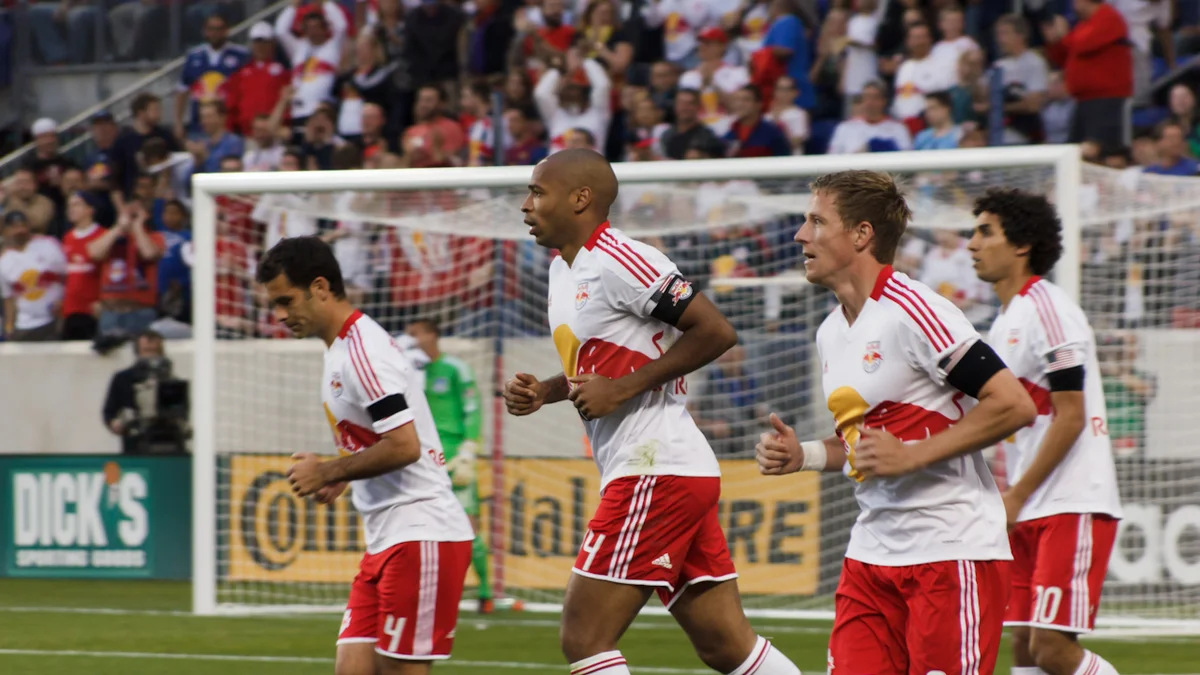
In fact, the great strikers are remembered by their goals, and the numbers tell the story. For example, Pele is the most famous footballer in history. Gerd Muller scored 365 Bundesliga goals, a record built on penalty-box movement and a ruthless finish. Ronaldo Nazario combined power, pace and skill. Thierry Henry scored from the left wing and from the centre.
In addition, Alan Shearer scored 260 Premier League goals, the most in the competition’s history, with a powerful shot and a brave header. Rashidi Yekini is Nigeria’s all-time top scorer with 37 goals. Different in style, they shared one gift: they were in the right place, at the right time, again and again.
What Is a Striker in Football? Frequently Asked Questions
What is a striker in football?
A striker is the main goalscorer, the player who plays closest to the opponent’s goal. The striker is also called the centre-forward, and the traditional shirt number is 9.
What number does a striker wear?
The traditional number is 9. In the old numbering system, the centre-forward wore 9.
What is the difference between a striker and a centre-forward?
The two terms are often used interchangeably. In general, a centre-forward tends to drop a little deeper and help build the play. A striker stays higher and focuses on finishing.
What is a target man?
A target man is a tall, strong striker. He wins headers, holds the ball up with his back to goal and lays it off to team-mates. Olivier Giroud is a well-known example of the type.
What is a poacher?
A poacher is a striker who lives inside the penalty box and waits for one chance to score. Filippo Inzaghi and Javier “Chicharito” Hernandez are famous examples.
Do strikers need to defend?
Yes. In the modern game, a striker presses from the front when the team loses the ball.
Conclusion
So what is a striker in football? It is the player who carries the team’s hopes in front of goal. The role has many forms, from the poacher to the target man, from the second striker to the lone striker. Yet the heart of it is the same: be in the right place, time the run, and put the ball in the net.
To learn more about the game, explore our football news section and our free football betting tips page. Next time you watch a match, keep an eye on the number 9. Follow the action with our live scores page.