
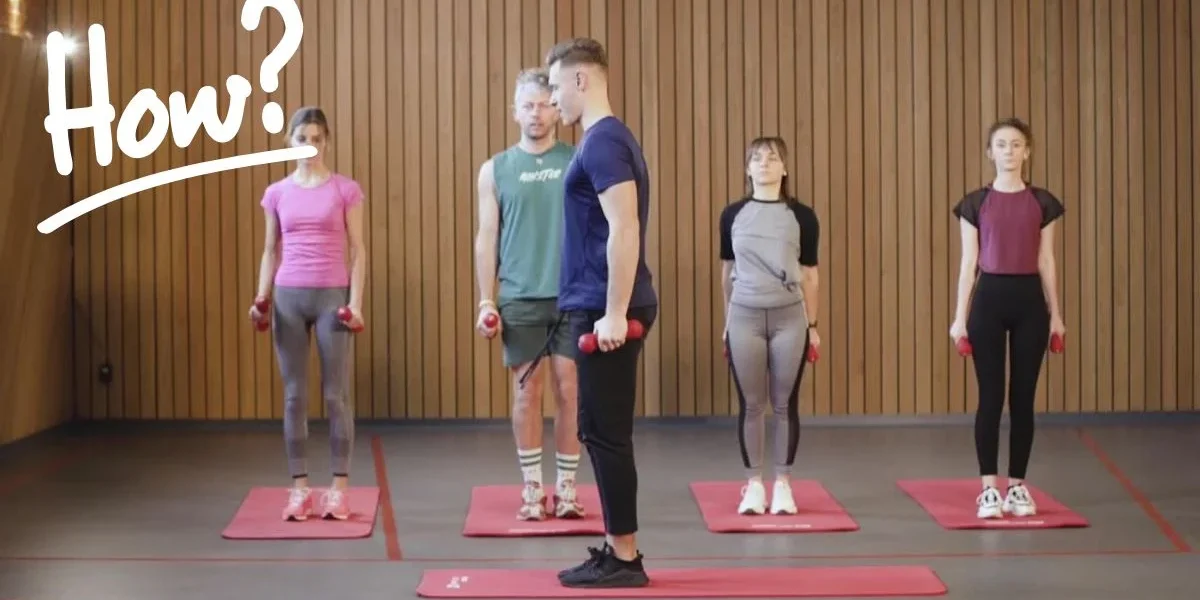
Plenty of football fans decide to get fitter at the start of a new season, then lose motivation after a few weeks of training alone. A group fitness class can solve that problem. You get a set time, a coach who plans the session and other people who expect to see you there. The hard part is often knowing where to start looking.
This guide explains how to find a fitness class near you, wherever you live. It covers the type of class to look for, the best places to search, including some that football clubs run themselves, and the questions to ask before you pay.
Start by Choosing the Type of Class
Searching becomes much easier when you know what you want. High-intensity interval training (HIIT) and circuit classes build the stop-start fitness that football demands. Spin classes are good for endurance without impact on the joints. Strength classes focus on muscle, while yoga and Pilates improve flexibility, balance and core strength. Football fitness sessions combine drills and small-sided games. Choose one or two types, then use them as keywords in your search.
Where to Look for a Fitness Class Near You
Map Apps and Search Engines
The quickest method is to type "fitness class near me" or a specific search such as "HIIT class near me" into a search engine or map app. Results usually show distance, opening hours, photos and reviews. Read the most recent reviews rather than the average score, because coaches and timetables can change quickly. Then check the gym's own website for the current schedule.
Booking Apps and Gym Chains
Booking platforms such as ClassPass and Mindbody list classes from many studios in one place, and they operate in a large number of cities around the world. They are useful for trying different studios before committing to one. Large gym chains also have their own apps that show live timetables and let you reserve a place, which matters for popular evening classes.
Community Centres, Councils and Universities
Public leisure centres, community halls and university sports departments often run classes at lower prices than private studios. Many publish their timetables online or on noticeboards. These options are easy to miss in online searches, so it is worth checking your local council or city website directly.
Your Local Football Club
Football clubs are a growing source of fitness classes. The best-known example is Football Fans in Training (FFIT), a 12-week programme of exercise and healthy-eating sessions that began at Scottish Premiership clubs in 2010. In a randomised trial across 13 Scottish clubs, men who completed it weighed an average of 5.6 kg less after 12 months, compared with 0.6 kg in the control group.
The idea has spread. FFIT has since been delivered at more than 70 UK professional clubs, and a German version involved 22 clubs from the country's top three divisions. A European project called EuroFIT ran in 15 clubs in the Netherlands, Norway, Portugal and the UK. To find similar sessions, check the community or foundation section of your club's website, or ask about walking football if you prefer a gentler option.
Free Group Activities
If cost is a concern, parkrun is worth knowing about. It began with 13 runners in London's Bushy Park in 2004 and now holds free, timed 5 km events every Saturday at more than 2,000 locations in 23 countries. You can walk, jog or run, and there is no time limit. It is not a class, but it offers the same group motivation for free.
What to Check Before You Sign Up
First, look at the coach. Ask whether instructors hold a recognised fitness qualification, and check how they adapt exercises for beginners. A good class should offer easier and harder versions of each movement.
Second, think about practical details. A class that is close to your home or workplace is much easier to attend regularly. Compare the total cost, including joining fees, and read the contract carefully for minimum terms and cancellation rules. Many studios offer a free or cheap trial class, which is the best way to judge the atmosphere and the level of the group.
Finally, be honest about your health. Reputable providers usually ask new members to complete a short health questionnaire. If you have a medical condition or have been inactive for a long time, speak to a doctor before starting high-intensity sessions.
Why the Group Matters
Researchers who studied FFIT found that the setting played a big part in its success. Men were attracted by the link with their club, and the group format gave them support and friendly competition. That is a useful lesson for anyone searching for a fitness class near them. The best option is not always the most modern gym, but the one where you feel part of a team and want to come back next week.
