- Quick Answer
- What the hackers claim to have stolen
- How the FIFA cyberattack happened
- What FIFA has said
- What the leak did not include
- A difficult week for FIFA
- Frequently asked questions
- What happened in the FIFA cyberattack?
- Who is behind the FIFA cyberattack?
- How did the hackers get into FIFA's systems?
- Were Nigerian officials or players affected?
The FIFA cyberattack is real, and FIFA has now confirmed it. World football’s governing body said on Thursday 26 November 2026 that criminals had attacked its systems. It is now working with law enforcement.
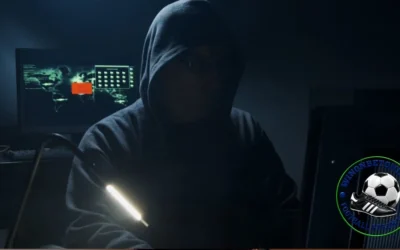
The group behind the claim calls itself the Handsome Boy Hacking Club. It says the stolen files include identity and immigration documents, financial records and internal governance files. Yet FIFA has not confirmed how much data was taken, or what exactly it holds. So the full scale of the breach is still unclear.
Last updated: November 2026
Quick Answer
- FIFA confirmed on Thursday 26 November 2026 that criminals had attacked its systems.
- The hacking group, the Handsome Boy Hacking Club, claims to have stolen more than 12GB of data.
- The group says the files include identity and immigration documents. It lists executive information, financial records, legal documents and internal governance files.
- FIFA has not confirmed the volume or the contents of the data. It has not said how many people or organisations the breach hit. It has not said when the attack took place.
- The attackers got in by posing as FIFA staff, not by breaking FIFA’s systems.
What the hackers claim to have stolen
The FIFA cyberattack came to light on 19 November 2026. That day, the Handsome Boy Hacking Club, known as HBHC, posted a screenshot on X. The image showed what the group claimed were FIFA files. The group then appeared to take credit for the hack. It also claims to have stolen more than 12GB of FIFA data. It also says it tried to extort FIFA. When that failed, it published the files on a cybercriminal forum, according to The Record.
The group claims the stolen material includes identity and immigration documents, executive information, financial records, legal documents and internal governance files. However, those are the hackers’ claims only. FIFA has not confirmed the volume of data taken. It has not confirmed the full contents either. So treat the 12GB figure and the contents list as claims, not as established facts.
How the FIFA cyberattack happened
Sources close to the incident say the attackers got in by posing as FIFA staff. In short, the breach came through social engineering. It did not come from a technical failure in FIFA’s systems. The attackers posed as members of staff to get inside. They did not break in through the software.
The same sources also say the compromised data amounts to less than 0.1% of all the data FIFA holds. They also say the attack hit FIFA itself, rather than people. Even so, FIFA has not said how many people or organisations the breach hit.
What FIFA has said
FIFA’s statement on the FIFA cyberattack was brief. A spokesperson said: “FIFA can confirm that it has been the victim of a criminal cyber-attack resulting in unauthorised access to a limited set of personal and business information.”
FIFA also said it is working closely with the relevant authorities, including law enforcement. It also condemned the unlawful obtaining and publication of information, particularly personal data, as “a serious and unacceptable violation of privacy”.
FIFA has not said when the attack took place. It has shared no more detail on what was taken. Until it does, the hackers’ version is the only account of the scale of the breach. And it remains unverified.
What the leak did not include
One thing is clear from the reports so far. The leaked material did not include documents relating to FIFA Forward Enterprise, known as FFE. That was President Gianni Infantino’s abandoned plan to sell a stake in the World Cup to private investors. For the background, read our report on Infantino dropping the plan to sell World Cup stakes.
FA chair Debbie Hewitt saw the relevant files this week, after agreeing to sign a non-disclosure agreement. So far, nothing has linked the breach to the Nigeria Football Federation, Nigerian football officials or players.
A difficult week for FIFA
The breach comes as Infantino faces mounting pressure, after the collapse of the FIFA Forward Enterprise project. Nothing in the reporting so far links the cyberattack to that project. And the FFE files were not among the leaked documents.
The FIFA cyberattack is also the latest in a difficult run of headlines for the governing body. This week, Morocco also dropped out of the world’s top five in the FIFA rankings. The Court of Arbitration for Sport had restored Senegal as Africa Cup of Nations champions.
As a result, FIFA must now reassure the football world that the stolen material was as limited as it says. The investigation with law enforcement continues. For now, the full extent of the breach is still unclear.
Frequently asked questions
What happened in the FIFA cyberattack?
FIFA confirmed on Thursday 26 November 2026 that criminals had attacked its systems. The hackers claim to have stolen more than 12GB of data. But FIFA has not confirmed that figure.
Who is behind the FIFA cyberattack?
HBHC claims responsibility. The group posted a screenshot of what it claimed were FIFA files on X on 19 November 2026. It tried to extort FIFA. When that failed, it published the files on a cybercriminal forum, according to The Record.
How did the hackers get into FIFA’s systems?
Sources close to the incident say the attackers posed as FIFA staff. They did not break FIFA’s systems through a technical failure. Sources say the compromised data amounts to less than 0.1% of all the data FIFA holds.
Were Nigerian officials or players affected?
So far, nothing has linked the breach to the Nigeria Football Federation, Nigerian football officials or players.