- What Is Line Shopping?
- Why Bookmakers Price the Same Match Differently
- Why Half a Point Matters in Line Shopping
- Line Shopping in Practice
- Line Shopping vs Arbitrage
- What Line Shopping Cannot Fix
- The Limits of Line Shopping
- Line Shopping FAQs
- How many bookmakers do I need for line shopping?
- Is comparing odds across books legal?
- Does it guarantee a profit?
- What is the best way to compare odds quickly?
- Can it get my account limited?
- How does it differ from arbitrage?
Line shopping is the habit of comparing the odds for the same bet across several bookmakers and placing the bet where the price is best. It is the simplest edge in betting, and it costs nothing except a few extra minutes. This guide explains what line shopping is, why small price gaps matter, and how to build the habit into every bet you place.
Most bettors use one bookmaker out of habit. As a result, they accept whatever price that book offers, even when three other books pay more for the exact same bet. Line shopping fixes that. In short, you keep the bet the same and change only the price.
Last updated: November 2026
Quick Answer: Line shopping means checking the odds for one bet at several bookmakers and taking the best price on offer. Bookmakers price the same match differently, so the gap between the worst and best price is often 0.05 to 0.15, and that gap adds up over a season. Line shopping does not improve your picks, but it lowers the win rate you need to break even. In short, it is the easiest way to earn more from the bets you already place.
What Is Line Shopping?
Line shopping is the practice of comparing the price of one bet across more than one bookmaker before you place it. The bet never changes. Only the price changes. For example, you want to back over 2.5 goals in a match. One book offers 1.85, a second offers 1.95, and a third offers 2.05. Line shopping means you take the 2.05. The outcome is the same at all three books, but the payout is not.
The idea comes from ordinary shopping. When you buy a phone, you check more than one store for the best price. In betting, the product is the bet itself, and the price is the odds.
Line shopping applies to every market. It works for 1X2 bets, totals, goal lines, and player props. In each case, the method is the same: pick the bet first, then find the best price for it. If you want a full refresher on how odds and lines work, read our guide to betting lines explained.
Why Bookmakers Price the Same Match Differently
Bookmakers do not copy one price from a single source. Each book sets its own odds with its own models, its own traders, and its own view of a match. As a result, the same match can carry different prices at different books all day long.
In addition, each book serves a different set of customers. One book may take heavy action on the favourite, so it shortens that price to protect itself. Another book may see little action on the same match, so it leaves its price alone.
Why Half a Point Matters in Line Shopping
A price gap of 0.05 looks tiny on one bet. Over a season, however, it is the difference between profit and loss. The reason is simple: a better price lowers the win rate you need to break even. At odds of 2.00, you need to win 50% of your bets to break even. At odds of 1.91, you need 52.36%. At odds of 1.95, you need 51.28%.
The table below shows the same 100 bets, the same 55 wins, and the same ₦10,000 stake at three different prices. Only the price changes.
| Price taken | Wins from 100 bets | Total staked | Total returned | Profit |
|---|---|---|---|---|
| 1.91 | 55 | ₦1,000,000 | ₦1,050,500 | ₦50,500 |
| 1.95 | 55 | ₦1,000,000 | ₦1,072,500 | ₦72,500 |
| 2.00 | 55 | ₦1,000,000 | ₦1,100,000 | ₦100,000 |
The picks are the same in all three rows. The stake is the same. Yet the profit at 2.00 is almost double the profit at 1.91. That is the whole case for line shopping in one table.
The same maths works on a single bet. A ₦20,000 stake on a win at 2.10 returns ₦42,000, while the same stake at 2.00 returns ₦40,000. That is ₦2,000 extra for one winning bet. Over 100 winning bets, the gap grows to ₦200,000.
Sometimes the gap is in the number itself, not the price. One book may offer over 2.5 goals while another offers only over 3.5 goals for the same match. If the match ends with exactly three goals, the first bet wins and the second loses. So check which line is on offer, not just the price next to it.
Line Shopping in Practice
Line shopping is a habit. The workflow below takes only a few minutes once you have it set up.
- Hold accounts at three to five licensed bookmakers. One account gives you one price. Three accounts give you a choice.
- Decide the bet before you check prices. Pick the side, the market, and the stake first. Then shop for the price. If you shop first, you may talk yourself into a bet you never wanted.
- Compare the exact same market at each book. Over 2.5 goals at one book is not the same bet as over 3.5 goals at another. Check the line as well as the odds.
- Use an odds comparison site or open each book’s app side by side. A comparison site shows many books on one screen, which saves time on busy match days.
- Take the best price while it is live. Odds move, so a price you saw ten minutes ago may be gone. If the best price has moved, compare again rather than chasing a dead number.
- Record the price you took. A simple note of the book, the odds, and the stake lets you see over time how much line shopping adds to your returns.
A real edge is a gap that repeats. If one book pays 0.05 more than the rest on most of your bets, that is real value. On the other hand, a one-off gap of 0.30 that vanishes within a minute may be a stale price or a mistake. Before you stake, check that the price is still live and that the book will accept your full stake at that price. Our guide on how to build a long-term profitable betting system calls line shopping mandatory, and this routine is what that means in practice.
Line Shopping vs Arbitrage
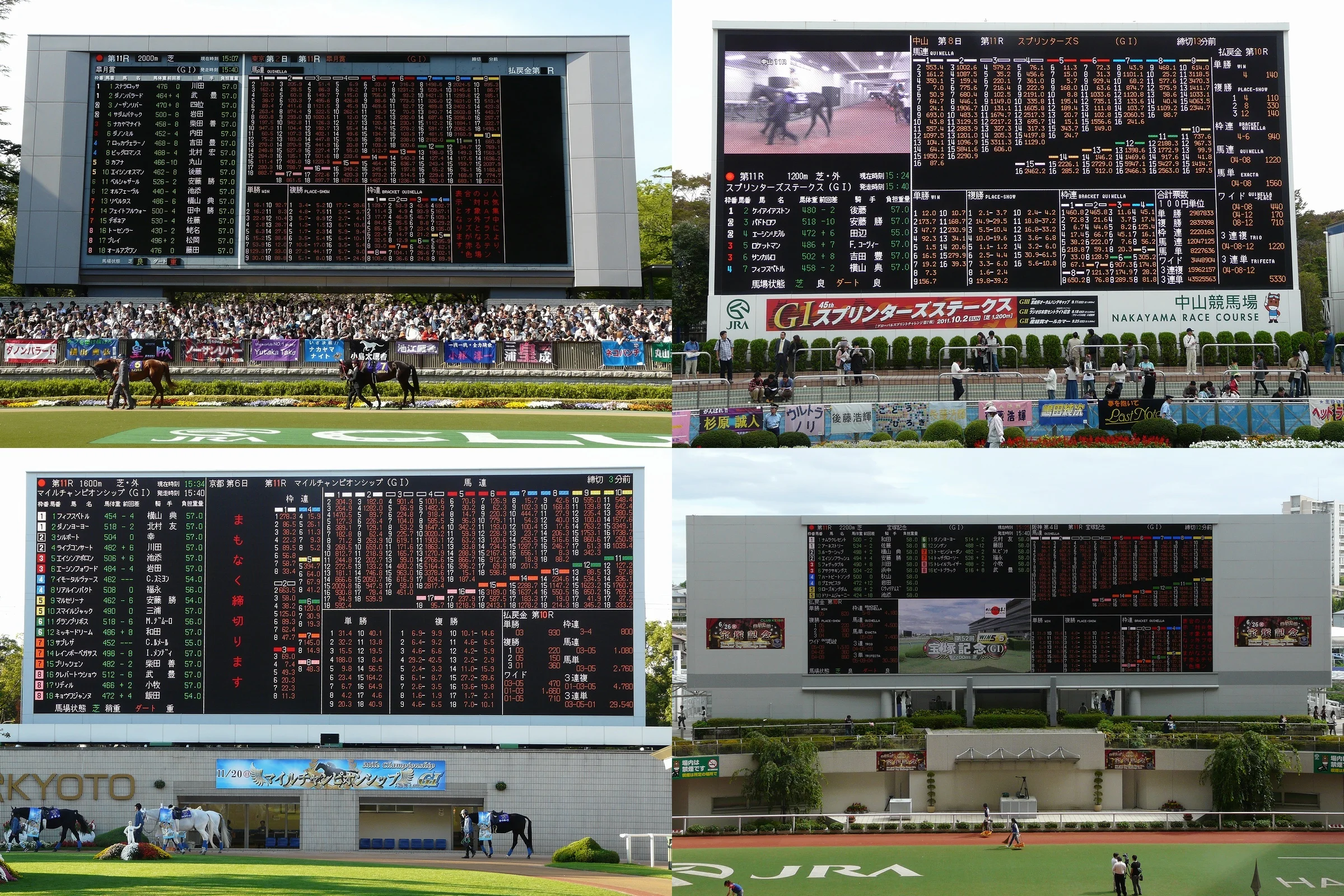
Line shopping and arbitrage are related, but they are not the same thing. Line shopping takes the best price for one bet you already want to place. Arbitrage covers every outcome of a match at different books so that you profit whatever happens. In short, line shopping improves one bet, while arbitrage tries to remove risk from the whole match.
The link between them is the combined market. Each book builds a margin into its odds, so its prices imply more than 100% in total. However, when you take the best price for each outcome from different books, the combined total can fall below 100%. The table below uses a made-up match to show how that works.
| Outcome | Best price | Where | Implied chance |
|---|---|---|---|
| Home win | 2.60 | Book A | 38.46% |
| Draw | 3.50 | Book B | 28.57% |
| Away win | 3.10 | Book C | 32.26% |
| Combined market | — | — | 99.29% |
Because the combined total is below 100%, stakes can in theory be spread across all three outcomes so that every result returns more than the total staked. That is arbitrage. In practice, the profit is tiny, the prices move fast, and books limit accounts that do it often.
What Line Shopping Cannot Fix
Line shopping improves your price, not your picks. If you win only 45% of your bets at even money, a better price will not save you. At odds of 2.00, a 45% win rate still loses 10% of turnover over time. In other words, line shopping makes a good strategy better, but it cannot turn a bad strategy into a good one.
It also cannot remove the bookmaker’s margin on its own. Even the best price on the board still carries a margin. Line shopping cuts that margin down, but it does not erase it. Therefore, you still need a reason to believe your pick has value before you stake.
The honest way to judge your shopping is closing line value. If the price you took beats the price at kick-off, you beat the closing line. Over many bets, that is a strong sign your shopping is working. Our guide to what is closing line value in betting explains how to track it.
The Limits of Line Shopping
Line shopping has real limits.
First, accounts get restricted. Bookmakers watch for bettors who always take the best price, because those bettors cost them money. As a result, a book may cut your maximum stake or limit your account after a run of sharp bets. Our guide to what is a sharp bettor explains how books spot this pattern and what happens next. Keeping stakes modest and spreading action across books helps, but it does not remove the risk.
Second, it takes time. Checking three to five books for every bet adds minutes to each wager. On a busy Saturday, that can mean a real chunk of your day. Odds comparison sites cut the time down, but the best price may move while you check.
Third, the gains are small per bet. A gap of 0.05 on a ₦5,000 stake is worth ₦250 when the bet wins. That is real money over a season, but it will not change your results in a week. Line shopping rewards patience.
Finally, books often agree. On big matches with heavy action, most books post nearly the same price, so there is little to shop for. The biggest gaps appear on smaller leagues and less popular markets, where books disagree more. That is where the habit pays best.
Line Shopping FAQs
How many bookmakers do I need for line shopping?
Three to five accounts cover most matches well. Two accounts already beat one, because you get a choice on every bet. More than five adds little, since the extra books rarely hold the best price and each new account adds checks, logins, and balance to manage.
Is comparing odds across books legal?
Yes. Comparing prices and choosing the best one is legal wherever betting itself is legal. You are not cheating the bookmaker. You are simply buying the same bet at a better price. However, always use licensed bookmakers and follow the rules in your country.
Does it guarantee a profit?
No. Line shopping improves the price you get, but it does not change whether your pick wins. A bettor with a losing strategy still loses, only a little more slowly. Profit comes from good picks plus good prices, not from prices alone.
What is the best way to compare odds quickly?
An odds comparison site shows many books on one screen, which is the fastest method on busy days. If you bet on only a few matches, opening two or three book apps side by side works just as well. Either way, compare the exact same market and check that the price is still live before you stake.
Can it get my account limited?
Yes, it can. Bookmakers limit accounts that consistently take the best prices, because those accounts win more often than the average customer. The risk rises when you always take standout prices or stake large sums. Spreading your bets across books and keeping stakes modest lowers the risk, but no method removes it fully.
How does it differ from arbitrage?
Line shopping takes the best price for one bet you want to place. Arbitrage backs every outcome across different books to lock in a small profit whatever happens. Line shopping is a habit for everyday bettors. Arbitrage is a specialised method with tiny margins, fast-moving prices, and a high chance of account limits.
Bet responsibly. Betting is for adults aged 18+ only. Only bet money you can afford to lose, and set limits on your time and your stakes. If betting stops being fun, take a break and seek help from a local support service.