
- Quick Answer
- What Is a Betting Syndicate?
- How Does a Betting Syndicate Work?
- Betting Syndicate vs Pool Betting
- Types of Betting Syndicates
- Friends and Family Betting Syndicates
- Professional Betting Syndicates
- Is a Betting Syndicate Legal?
- The Risks of Joining a Betting Syndicate
- Match-Fixing Gangs Are Not Betting Syndicates
- How to Tell a Real Betting Syndicate From a Scam
- Red Flags to Watch For
- Green Flags to Look For
- Should You Join One?
- Frequently Asked Questions
- Is a betting syndicate legal in Nigeria?
- How much money do I need to join one?
- How are winnings shared?
- Can a syndicate guarantee a profit?
- What is the difference between a syndicate and pool betting?
- Should I join a syndicate on Telegram or WhatsApp?
- Bet Responsibly
A betting syndicate is a group of people who pool their money, place bets together from one shared pot, and split any winnings in line with what each member put in. In short, members bet as a team instead of betting alone. For example, four friends can each put in ₦5,000 and build a ₦20,000 pool.
Last updated: November 2026
Quick Answer
- A betting syndicate pools money from several members into one shared bankroll.
- One person, the manager, usually places the bets for the group.
- The group splits winnings in proportion to what each member contributed.
- A betting syndicate is not the same as a crime gang that fixes matches.
- Most groups sold online as syndicates are tipster services or scams.
What Is a Betting Syndicate?
A betting syndicate is a group of two or more people who combine their money to bet together. Members agree on the rules first, then each person pays a set amount into a shared pot. After that, the group places bets from the pot, and members share the results. In other words, the group wins together and loses together.
Most syndicates form around friends, workmates, or a local betting community. In addition, some professional groups run much larger pools with full-time analysts. However, the basic idea stays the same at every level: shared money, shared decisions, and shared results.
A syndicate needs a clear purpose to work well. For example, friends may pool money for weekend football accumulators, while a professional betting syndicate may target one league all season with a tested model.
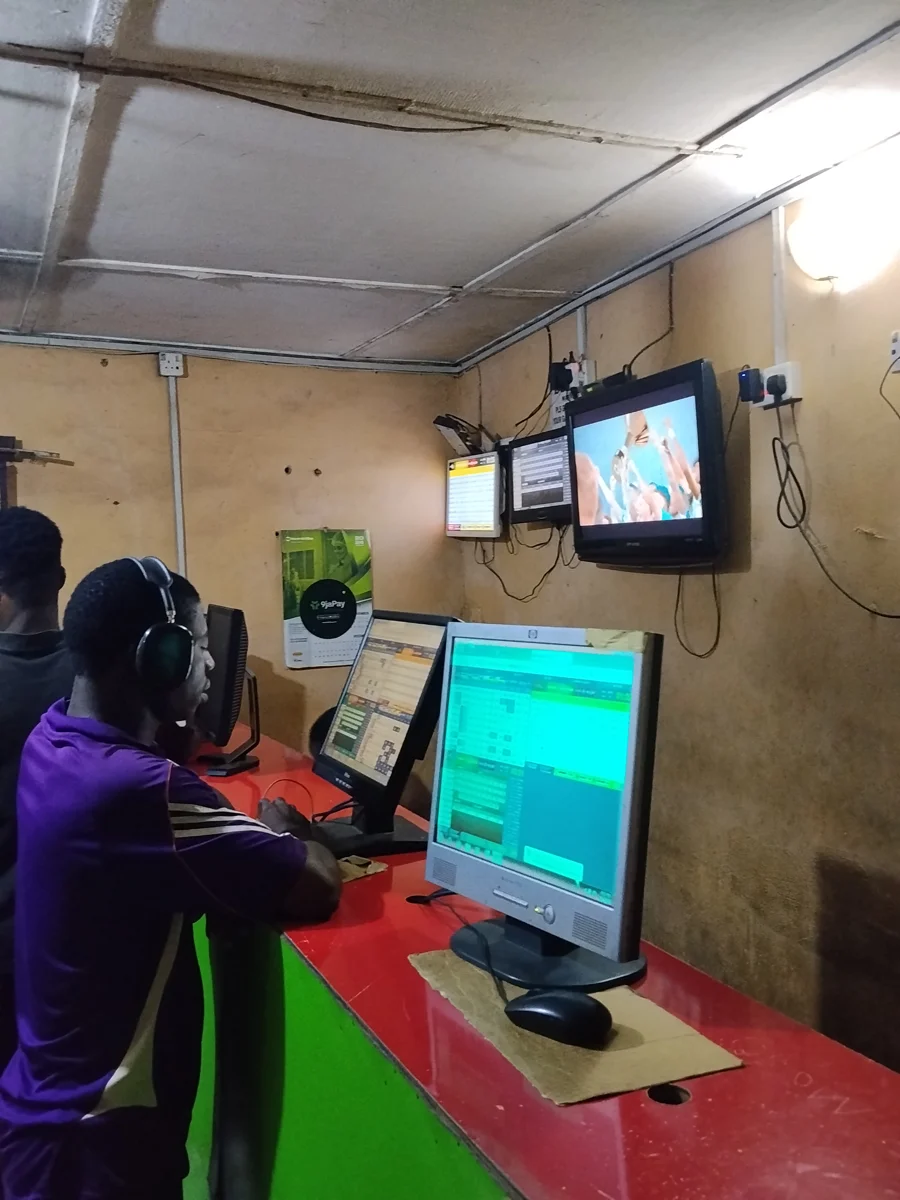
How Does a Betting Syndicate Work?
A betting syndicate works in five stages. First, members agree on the rules in writing. Second, each member pays into the shared pot. Third, the group or the manager picks the bets. Fourth, the manager places the bets from the pot. Finally, the group splits any winnings by the agreed shares.
The manager holds the money, runs the betting accounts, and places the bets. As a result, members must trust the manager completely. In a good group, the manager keeps full records, so every member can see each bet and each result.
The split follows the money each person put in.
| Member | Paid in | Share | Payout if the group wins ₦60,000 |
|---|---|---|---|
| Ada | ₦5,000 | 25% | ₦15,000 |
| Bola | ₦5,000 | 25% | ₦15,000 |
| Chidi | ₦5,000 | 25% | ₦15,000 |
| Dayo | ₦5,000 | 25% | ₦15,000 |
| Total | ₦20,000 | 100% | ₦60,000 |
Here the group stakes its ₦20,000 pool at odds of 3.00. A win pays ₦60,000, so each member takes ₦15,000 back. If the bet loses, each member loses ₦5,000.
Shares can also differ:
| Member | Paid in | Share | Payout if the group wins ₦250,000 |
|---|---|---|---|
| Ada | ₦50,000 | 50% | ₦125,000 |
| Bola | ₦30,000 | 30% | ₦75,000 |
| Chidi | ₦20,000 | 20% | ₦50,000 |
| Total | ₦100,000 | 100% | ₦250,000 |
Good syndicates also cap each stake. For example, a group with a ₦100,000 pool may risk only ₦2,000, or 2%, per bet. As a result, ten losing bets in a row would cost ₦20,000 and leave ₦80,000 in the pool. For that reason, sound bankroll management matters even more in a group than it does for a solo bettor.
Betting Syndicate vs Pool Betting
People often use the terms betting syndicate and pool betting as if they mean the same thing. In fact, they overlap but they are not the same. A betting syndicate is a group of people who pool money and bet together. Pool betting is a type of bet where many players pay into one pot and the winners share that pot.
| Feature | Betting syndicate | Pool betting |
|---|---|---|
| Who runs it | The members, or a manager they choose | A bookmaker, a lottery, or a pools operator |
| Where the money sits | In a shared pot the group controls | In a pot the operator controls |
| How winners get paid | By agreed shares of the payout | By an equal share of the pot, less the operator take |
| Who picks the bets | The group or its manager | Each player picks their own entries |
| Typical example | Four friends share a football accumulator | A football pools coupon or a jackpot pool |
Pool betting also covers games like the football pools, where players pay a fixed price and the winners divide the pool. A betting syndicate can buy into such a pool, but the syndicate itself is the group, not the product.
Types of Betting Syndicates
Not every betting syndicate looks the same. Groups fall into two broad types, and each type carries different risks.
Friends and Family Betting Syndicates
A friends and family betting syndicate is the most common type. A small circle of people who know each other pool money for fun, often for weekend football or a big horse race. Members usually pay in equal amounts, and one trusted friend places the bets. However, even a friendly group needs written rules, because money and friendship mix badly without them.
Professional Betting Syndicates
A professional betting syndicate runs betting like a business. It employs analysts, builds statistical models, and bets large volumes through accounts that can take big stakes. Members provide capital, while a small team makes the decisions.
Is a Betting Syndicate Legal?
The legal position of a betting syndicate depends on where you live. In some places, private pools among friends are lawful, while paid schemes that take money from strangers need a licence. Therefore, check the rules in your country or state before you join or start one.
In Nigeria, the picture is mixed. Sports betting itself is legal when a licensed operator offers it, and the minimum age is 18. However, the Supreme Court nullified the National Lottery Act of 2005 in November 2024, so gambling regulation now sits with the states, not the federal government.
No widely published Nigerian rule deals directly with private betting syndicates, so the law does not clearly say that a small group of friends pooling money is legal or illegal. That gap puts syndicates in a grey area. A casual pool among friends is unlikely to attract attention, but a paid scheme that collects money from strangers looks much more like an unlicensed betting business. This article is not legal advice.
The Risks of Joining a Betting Syndicate
A betting syndicate adds new risks on top of the normal risk of losing bets. The biggest risk is trust. One person usually holds the money and the betting accounts, while the other members see only what that person reports. If the manager places bets nobody agreed to, or simply disappears with the pot, members have little power to get their money back.
Disputes cause the next big risk. Members may disagree about the split, about who paid in, or about whether a bet was agreed. Without a written record, these rows turn into guesswork, and friendships can break over small sums.
The bankroll itself can still vanish. A betting syndicate does not change the odds of any bet, so a long losing run can drain the pool just as fast as it drains a solo bankroll. Meanwhile, bookmakers often limit or close accounts that place large syndicate bets, because big coordinated stakes can move the odds.
Match-Fixing Gangs Are Not Betting Syndicates
The word syndicate causes confusion, because criminals also use it. A betting syndicate is a group of people who pool money to bet. A match-fixing crime gang is a group that bribes players or officials to fix results.
A lawful betting syndicate bets on results it cannot control, and it wins or loses on the same odds as everyone else. In contrast, a crime gang tries to control the result, then bets on it. That is fraud, and it is a crime in most countries, including Nigeria. If anyone offers you a share in a group that claims fixed results, walk away at once. Read our guide on what happens to your bet if a match is fixed to see how bookmakers treat bets on fixed games.
How to Tell a Real Betting Syndicate From a Scam
Most groups sold online as a betting syndicate are not syndicates at all. They are tipster services, or outright scams. The checks below help you tell the two apart.
Red Flags to Watch For
- The group promises guaranteed profits or fixed returns.
- The group claims insider information or fixed matches.
- The organiser shows only winning slips and never mentions losing weeks.
- The group refuses to show a full, dated record of bets and results.
- The group charges a fee no matter what happens, win or lose.
- The group pressures you to join fast or to recruit new members.
Green Flags to Look For
- The group puts the rules in writing before anyone pays in.
- The group shows a full record of bets, stakes, and results, including losses.
- The manager keeps the money in a separate account and shares statements.
- The group caps the stake on each bet and sets a stop-loss point.
- The group lets members leave and pays out their share at an agreed value.
If a group fails even one of the green-flag checks, think twice before you join. If it shows two or more red flags, stay out.
Should You Join One?
A betting syndicate suits some people and not others. It suits you if you enjoy betting with friends, you trust the manager, and you treat the money as fun, not as income. It also suits you if the group has written rules, full records, and modest stakes.
However, a betting syndicate does not suit you if you want a safe income from betting. No group can promise that, because no bet is certain. It also does not suit you if you cannot check the records, or if you feel pressure to pay in more than you planned.
For most readers, the better path is to build your own skills first. Learn how to run a long-term profitable betting system, keep a record of every bet, and stake a small, fixed share of your bankroll on each wager. The Kelly Criterion can also help you size stakes in line with your edge.
Frequently Asked Questions
Is a betting syndicate legal in Nigeria?
The position is unclear. Betting itself is legal in Nigeria through licensed operators, and the minimum age is 18. Since November 2024, the states regulate gambling, because the Supreme Court nullified the National Lottery Act of 2005. However, no widely published rule deals directly with private betting syndicates, so a group that pools money sits in a grey area.
How much money do I need to join one?
The amount varies by group. A friends group may ask for as little as ₦1,000 or ₦5,000 each, while a larger group may ask for ₦50,000 or more. The right amount is money you can afford to lose in full.
How are winnings shared?
The group splits winnings in proportion to what each member paid in, unless the written agreement says otherwise. For example, a member who paid in half the pool takes half of any payout. The group should fix the split before it places any bet, and record every payment.
Can a syndicate guarantee a profit?
No. No betting syndicate can guarantee a profit, because no bet is certain. A group can improve its research and spread its risk, but it still loses bets, and it can still lose the whole pool. Any group that promises guaranteed returns is a scam.
What is the difference between a syndicate and pool betting?
A betting syndicate is a group of people who pool money and bet together. Pool betting is a type of bet where many players pay into one pot and the winners share that pot, less the operator take. A betting syndicate can buy into a pool, but the syndicate is the group, while pool betting is the product.
Should I join a syndicate on Telegram or WhatsApp?
Treat these groups with extra care. Many are tipster services or scams that use the word syndicate to look serious. Before you pay in, ask for a written agreement, a full dated record of bets, and proof of how the money is held.
Bet Responsibly
Betting should stay fun, and it should never put your money, your work, or your family at risk. Only bet with money you can afford to lose, and set a limit before you start. 18+ only. If it stops feeling fun, take a break and seek help. In Nigeria, you can contact Gamble Alert on 0916 295 7989 for support.