- What Is a Sharp Bettor?
- The Habits of a Sharp Bettor
- Sharp Bettor vs Square Bettor
- What Is Sharp Money?
- How Sharp Money Moves the Line
- How Sportsbooks Spot a Sharp Bettor
- Limits and Restrictions on a Sharp Bettor
- Closing Line Value: The Sharp Bettor Test
- Worked Example: The Edge in Naira
- Can You Bet Like a Sharp?
- Frequently Asked Questions
- What is a sharp bettor in simple terms?
- Do sharp bettors win every bet?
- How can I tell if I am a sharp bettor?
- Can a bookmaker ban a sharp bettor?
- Is following sharp money a winning strategy?
- Bet Responsibly
A sharp bettor is a bettor who wins over the long run by beating the closing line again and again. Bookmakers respect this kind of bettor, and they also fear the losses this kind of bettor can cause. This guide explains what a sharp bettor does differently, how sharp money moves odds, and why bookmakers limit sharp accounts.
Most bettors bet for fun. A sharp bettor treats betting like a maths problem with a price tag. The difference is not luck or a big bankroll. It is method, timing, and discipline. In short, sharps bet prices, while everyone else bets teams.
Last updated: November 2026
Quick Answer: A sharp bettor is a skilled, disciplined bettor who finds prices above the true chance of an outcome and beats the closing line over time. Sharp bettors use models, compare odds across bookmakers, stake flat units, and judge success by closing line value, not by one winning week. Bookmakers spot them through closing line value and bet timing, then cut their limits or close their accounts. In short, a sharp bettor bets prices, while a square bettor bets teams.
What Is a Sharp Bettor?
A sharp bettor is a professional or semi-professional bettor who makes a profit over the long run. The profit does not come from one lucky weekend. It comes from a small edge, used again and again across hundreds of bets. In other words, a sharp bettor wins slowly, not loudly.
Bookmakers call such a bettor sharp because the bets carry weight. When a sharp bettor backs a side, the bookmaker often moves the price. As a result, sharp action helps bookmakers set truer prices, even as it costs them money.
Sharps do not need a huge bankroll. A disciplined bettor with a small bankroll and a sound method beats a careless bettor who stakes large sums on feeling. Size does not define a sharp bettor. Method does. Sharps form a small minority of all bettors.
The Habits of a Sharp Bettor
Sharp bettors share a set of habits, and those habits matter more than any single tip. Firstly, they price a match before they look at the odds. They build a simple model or a careful estimate of each outcome, then they compare their price with the bookmaker price. They only bet when their price shows value. Our guide to value betting explains that idea in full.
Secondly, they shop for odds. The same outcome often sits at different prices in different places. They check several bookmakers and take the best price on offer.
Thirdly, they bet early. Opening odds hold the most errors, because the market has not yet absorbed all the news and money. They strike before the price moves. Meanwhile, recreational bettors often bet near kick-off, after the value has gone.
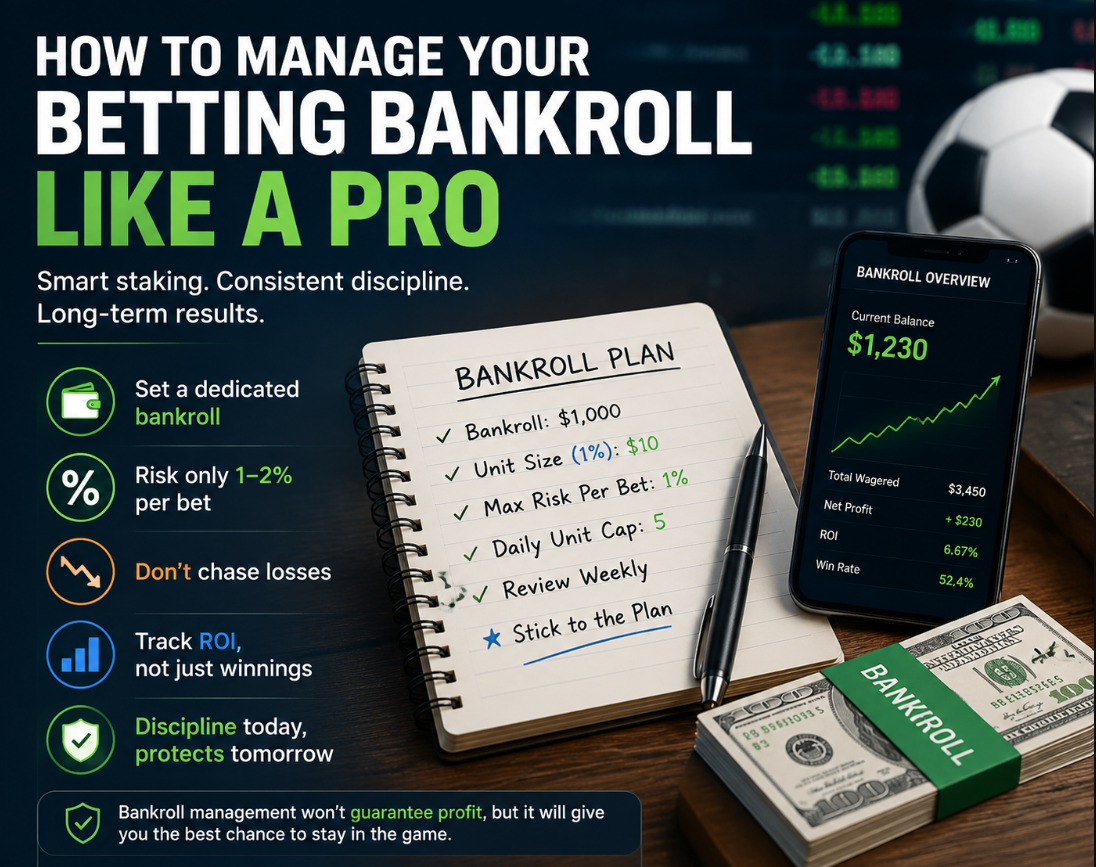
Next, they stake flat units. Most sharps risk about 1% to 3% of their bankroll on each bet, and they keep the stake steady win or lose. They never chase a loss with a bigger stake. They also record every bet. Finally, they specialise. A bettor who follows one league closely spots stale prices faster than one who scans every league on the coupon.
Sharp Bettor vs Square Bettor
A square bettor is the opposite of a sharp bettor. A square, also called a recreational bettor, bets for entertainment. Squares form the vast majority of the market, and their money funds the bookmaker margin. They simply bet teams and feelings, not prices.
The table below sets out the contrast. Read it row by row, and the two styles become clear.
| Area | Sharp bettor | Square bettor |
|---|---|---|
| Goal | Profit over the long run | Fun and excitement |
| Basis for a bet | Own model and price | Team loyalty, gut feel, media tips |
| Timing | Early, before the price moves | Near kick-off, after the move |
| Staking | Flat units, 1% to 3% of bankroll | Variable, often bigger after a loss |
| Success test | Closing line value | Last week win-loss record |
| Bookmaker treatment | Limits and fewer offers | Promotions and higher limits |
Notice the last row. Bookmakers welcome squares with bonuses, because those bettors lose over time. Sharps get the opposite treatment.
What Is Sharp Money?
Sharp money is money staked by respected bettors or betting groups. Bookmakers treat it as informed money, so it moves prices. Square money, on the other hand, rarely moves a price on its own, even in large amounts.
Sharp money is not only about size. A modest bet from a known winning account can shift a line more than a much larger bet from a recreational account. In other words, sharp money is a signal, and the bookmaker reads it fast.
Sharp money often arrives as steam. Steam is a fast move across many bookmakers at once, after respected money hits the same side. When steam rolls through, the price can shorten within minutes.
How Sharp Money Moves the Line
A betting line moves for three main reasons: respected money, lopsided action, and news.
Firstly, look at the opening line. Limits are low just after the market opens, and the sharpest bettors attack soft openers at once. A few respected bets can move an early price by a full point before most bettors have even seen it.
Secondly, watch the other bookmakers. Many books copy the sharpest book in the market, and one move spreads to the rest within minutes. As a result, one sharp bet can reshape prices across the whole market.
Thirdly, learn reverse line movement. This happens when a line moves against the side that holds most of the bets. For example, 70% of tickets back the favourite, yet the price on the favourite drifts out. That move points to sharp money on the other side. The bookmaker follows the respected money, not the crowd.
How Sportsbooks Spot a Sharp Bettor
Every bet at a legal bookmaker is logged, analysed, and used to build a profile of the bettor. The bookmaker asks one question above all others: does this account win over time? Winners get limited. Losers get VIP treatment.
Closing line value is the first test. If an account keeps beating the closing line, the bookmaker flags it, even when the account loses in the short term. A bettor who takes 2.10 on a side that closes at 1.95 keeps showing skill, win or lose. Our guide to closing line value explains how that test works.
Bet timing is the second test. Sharp accounts bet early, often within minutes of the market opening. When an account keeps landing on the right side of a price move, the pattern gives it away.
Finally, stake patterns tell a story. Flat, steady stakes suggest a plan, while sudden jumps after a loss suggest chasing. In short, the bookmaker reads the account like a CV.
Limits and Restrictions on a Sharp Bettor
When a bookmaker decides an account is sharp, the response follows a rough sequence. Firstly, the bonuses stop. Free bets and promotions dry up, often with no warning. Secondly, the maximum stake falls. An account that once staked thousands may drop to a tiny limit. Thirdly, the bookmaker may close the account outright.
These steps protect the bookmaker margin. A winning bettor costs the book money on every bet, so the book caps the damage. Our guide to betting limits explains how stake caps work, and our guide on a restricted account sets out what to do when limits land.
Still, bookmakers also use sharp action as information to set truer prices, so some books take sharp bets at low limits rather than banning the account at once.
Closing Line Value: The Sharp Bettor Test
Closing line value, often shortened to CLV, is the test that separates a sharp bettor from a lucky one. It compares the odds you took with the final odds before kick-off. If your price was better than the close, you hold positive CLV. If it was worse, you hold negative CLV.
For example, you back a side at 2.10 on Friday. By kick-off, the price has shortened to 1.95. Your CLV is (2.10 / 1.95 – 1) x 100 = +7.7%. The market moved your way, and it agreed with your reading. On the other hand, a price that drifts out after you bet shows negative CLV.
Any single bet can win or lose on luck. Beating the close again and again is far harder to fake. That is why sharps judge themselves by CLV over hundreds of bets, not by a winning week. A bettor who beats the close across 200 bets almost certainly holds a real edge. Meanwhile, one who loses to the close across 200 bets needs a new method, even after a lucky run.
Worked Example: The Edge in Naira
The table below shows how a small edge turns into profit. Both bettors stake ₦2,000 per bet, which is 2% of a ₦100,000 bankroll. Both place 100 bets at average odds of 1.91. The only difference is the win rate.
| Bettor | Wins in 100 bets | Money back | Profit or loss |
|---|---|---|---|
| Sharp bettor | 55 | ₦210,100 | +₦10,100 |
| Square bettor | 48 | ₦183,360 | -₦16,640 |
Check the maths. Each winning bet at 1.91 returns ₦2,000 x 1.91 = ₦3,820. The sharp bettor wins 55 bets, so 55 x ₦3,820 = ₦210,100 back from ₦200,000 staked, a profit of ₦10,100. The square bettor wins 48 bets, so 48 x ₦3,820 = ₦183,360 back, a loss of ₦16,640.
Notice how small the gap looks. Seven extra wins in 100 bets turn a loss into a profit. That is the sharp edge: a small, steady advantage, used again and again.
Can You Bet Like a Sharp?
You can borrow sharp habits without calling yourself a professional. Firstly, pick one league and learn it deeply. Team news, form, and injuries matter more when you follow them closely. Secondly, compare odds across bookmakers before every bet, and take the best price. Thirdly, stake a flat unit of 1% to 2% of your bankroll, and keep it steady after wins and losses alike.
Next, record every bet with the odds you took and the closing odds, and review the record each month. If you beat the close more often than not, your method is working.
Finally, stay honest with yourself. Most bettors lose over the long run, and sharp betting takes time, study, and discipline. It is not a shortcut to income. Treat it as a skill to build, not a promise of profit.
Frequently Asked Questions
What is a sharp bettor in simple terms?
A sharp bettor is a skilled bettor who finds prices above the true chance of an outcome and beats the closing line over time. Bookmakers respect these bettors because their bets point to where prices should move. In short, they bet prices, while a square bettor bets teams.
Do sharp bettors win every bet?
No. Even the best sharps lose close to half their bets. A win rate near 55% on standard -110 lines counts as elite, since the break-even point sits at 52.4%. They simply win at prices that pay over the long run.
How can I tell if I am a sharp bettor?
Track your closing line value across at least 100 bets. If you beat the closing line more often than not, and your record stays positive over several hundred bets, you show sharp traits. A good month proves nothing. A good year proves plenty.
Can a bookmaker ban a sharp bettor?
Yes. A bookmaker can cut your maximum stake to a tiny amount or close your account outright. Bonuses usually stop first, then limits fall. This is legal in most markets, since a bookmaker can choose whose bets it accepts.
Is following sharp money a winning strategy?
Not on its own. By the time sharp money has moved a line, the value has often gone. Chasing steam means taking a worse price than the sharps took. Line moves can teach you how markets work, but they cannot replace your own pricing and record keeping.
Bet Responsibly
Betting should stay fun. It should never feel like a way to make money you need. Set a budget before you bet, stick to it, and never chase losses. 18+ only. Bet responsibly. Finally, if betting stops being fun, take a break and seek support from a responsible gambling service.