- Quick Answer
- Is Betting Legal in India Under the 2025 Law?
- The 2025 Law at a Glance
- What the Ban Covers, and What It Does Not
- Who the Law Punishes, and Who It Does Not
- Enforcement So Far: Blocks, Raids and Evasion
- The Old Framework: Why the Answer Used to Be Complicated
- What Is Still Legal in India?
- Tax: The 28% GST Position
- What This Means for You
- Frequently Asked Questions
- Is betting legal in India for players?
- Can I use an offshore betting site from India?
- Is fantasy sports betting legal in India?
- Is horse race betting legal in India?
- Will the Supreme Court change the law?
- Bet Responsibly
Is betting legal in India? No. Since 1 May 2026, no online betting site can legally offer real-money betting to users in India, and no licence changes that. The ban comes from the Promotion and Regulation of Online Gaming Act 2025, usually called PROGA. This guide explains what the law bans, what it leaves alone, and what it means for you. It is general information only, not legal advice. If you need advice about your own position, speak to a lawyer who practises Indian law.
Last updated: November 2026
Quick Answer
- Is betting legal in India? No. Online betting with real money is against the law across the whole country since 1 May 2026.
- The ban targets operators, advertisers and payment firms. Players face no penalty under the Act.
- E-sports and social games with no stakes are legal, and the law actively promotes them.
- Horse racing at licensed turf clubs, state lotteries, and casinos in Goa and Sikkim remain legal under state law.
- Court challenges are still before the Supreme Court, so the final word is not yet in.
Is Betting Legal in India Under the 2025 Law?
The short answer is no, and the reason is a single national law. Before 2026, the answer depended on where you lived and what you bet on. That changed when PROGA came into force on 1 May 2026. From that date, the Act bans online betting with real money across India, whatever state you live in.
The Act defines an “online money game” in broad terms: any online game, skill or chance, where a user pays fees or deposits money or other stakes in the hope of winning money or other enrichment. The law does not care whether the game needs skill. If real money goes in and real money can come out, it counts.
Three sections do the heavy work. Section 5 bans offering online money games. Section 6 bans advertising them, and its wording reaches affiliates and ranked lists as well as the operators themselves. Section 7 bars banks and payment institutions from processing payments for them. In addition, Section 1(2) extends the Act to services offered to users in India even when the operator sits outside India. Finally, Section 18 gives the Act overriding effect over any state law that conflicts with it.
There is also a new regulator. The government set up the Online Gaming Authority of India, or OGAI, on 1 May 2026. That was the same day the Act came into force. It has its head office in Delhi and works as an attached office of the Ministry of Electronics and Information Technology. However, no licence from this body can make an online betting site legal, because the Act bans the activity outright rather than licensing it.
The 2025 Law at a Glance
The law moved fast by Indian standards. Parliament passed it in two days, and it came into force about eight months later.
| Event | Date |
|---|---|
| Passed by the Lok Sabha | 20 August 2025 |
| Passed by the Rajya Sabha | 21 August 2025 |
| Presidential assent and notification | 22 August 2025 |
| Commencement notified | 22 April 2026 |
| Act and Rules came into force | 1 May 2026 |
| Online Gaming Authority of India set up | 1 May 2026 |
Meanwhile, the government kept a second tool in reserve: it can block access to offending sites under Section 69A of the Information Technology Act 2000, and it has used that power heavily, as the figures below show.
What the Ban Covers, and What It Does Not
The ban is wide, but it is not total. The table below sets out the main divide.
| Activity | Status in India |
|---|---|
| Online sports betting with real money | Banned |
| Online casino and slot games with real money | Banned |
| Advertising online money games | Banned |
| Bank and payment processing for money games | Barred |
| E-sports with no stakes | Legal and promoted |
| Online social games with no stakes | Legal and promoted |
| Horse race betting at licensed turf clubs | Legal under state law |
| State lotteries where the state runs them | Legal under state law |
| Land-based casinos in Goa and Sikkim | Legal under state licences |
So is betting legal in India for online casinos? No. The same ban covers them. For example, a free fantasy game with no entry fee and no cash prize is a social game, so it sits outside the ban. In contrast, the same game with a paid entry fee and a cash prize is an online money game. The dividing line is always the same: real money at stake.
Who the Law Punishes, and Who It Does Not
The penalties fall on businesses, not on ordinary players — the most misunderstood part of the law.
| Offence | Maximum penalty |
|---|---|
| Offering or facilitating an online money game | Up to 3 years in prison and/or a fine up to ₹1 crore |
| Advertising an online money game | Up to 2 years in prison and/or a fine up to ₹50 lakh |
| Repeat offences | Up to 5 years in prison and a fine of ₹1–2 crore |
| Playing an online money game | No penalty under the Act |
In short, the Act makes no crime of placing a bet, but players still face real risks. A site outside the law offers no consumer protection, and the authorities can block or freeze a payment to it. Therefore, “players face no penalty” should not be read as “playing is safe”.
Enforcement So Far: Blocks, Raids and Evasion
The government has enforced the ban hard, and the numbers show it. By 28 March 2026, the authorities had blocked 8,376 betting and gambling URLs, according to a reply by the Ministry of Electronics and Information Technology to the Lok Sabha on 1 April 2026. More than 4,800 of those blocks came after Parliament passed the Act.
The Enforcement Directorate searched Parimatch in August 2025, May 2026 and September 2026, freezing or seizing about ₹150 crore. The Directorate General of GST Intelligence blocked 357 URLs, put about 700 offshore entities under the scanner, attached nearly 2,000 bank accounts and froze 392 UPI-linked accounts holding ₹122.05 crore.
At the same time, evasion is widespread. An Economic Times investigation found offshore sites such as Parimatch, 1xBet, Stake, Rajabets, Dafabet and 4rabet still easy to reach from India without a VPN. Furthermore, a survey found that offshore use rose from 68.3% to 82% after the ban. In other words, the law answers is betting legal in India in clear terms, yet many Indians still reach offshore sites with ease. That gap between the law and the reality is the central fact of betting in India today.
The Old Framework: Why the Answer Used to Be Complicated
To understand why the 2025 law mattered so much, it helps to see what came before it. For decades, gambling in India was a state matter: Entry 34 of List II in the Seventh Schedule puts betting and gambling on the State List, so each state makes its own law. The Public Gambling Act 1867 served as the central template, and many states adopted versions of it.
The old system produced a patchwork. Before PROGA, is betting legal in India depended on your state and your game. Horse racing was the best-known exception. The Supreme Court held in Dr K.R. Lakshmanan v State of Tamil Nadu that horse racing is a game of skill, so several states permit betting on horse racing at licensed turf clubs. Lotteries fell under separate rules, the Lotteries (Regulation) Act 1998. Goa permits casinos under the Goa, Daman and Diu Public Gambling Act 1976, including offshore vessels and slot machines in five-star hotels. Sikkim permits regulated gambling and online gaming under its 2008 Act, and Nagaland regulates online games of skill under its 2015 Act.
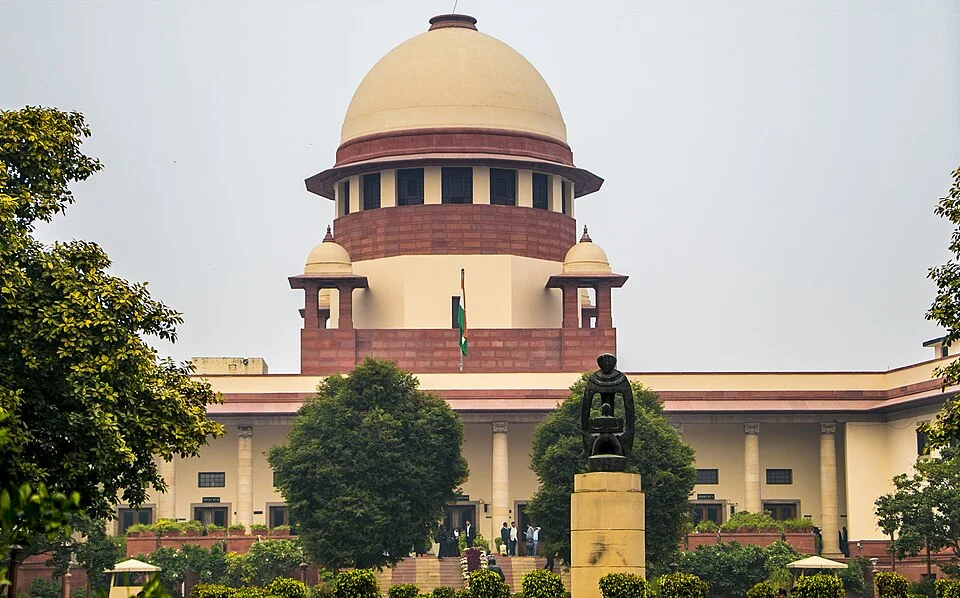
Crucially, the Supreme Court has never ruled on whether sports betting is a game of skill or chance. That unanswered question left online sports betting in a grey zone for years. Cricket dominates Indian sport, so most questions about the law start with cricket, and our guide explains how to bet on cricket as a general explainer. However, PROGA has now closed that grey zone for online money games: Section 18 overrides state law to the extent of any inconsistency, so no state licence can now authorise an online money game.
What Is Still Legal in India?
Despite the ban, several forms of betting and gaming remain legal. First, horse race betting at licensed turf clubs continues under state law. Second, state lotteries remain legal where the state itself runs them. Third, land-based casinos in Goa and Sikkim operate under state licences. Goa’s casinos now bar anyone under 21 from their gaming areas under a state amendment of July 2026. Fourth, e-sports and social games with no stakes are legal, and PROGA actively promotes them.
What is missing from that list is the key point: online sports betting with real money, and any online casino game played for stakes. If a site offers either to users in India, it operates outside the law.
Tax: The 28% GST Position
Tax is a separate question from legality, and it often causes confusion. A 28% Goods and Services Tax applies to gambling and online gaming under the Integrated Goods and Services Tax Act 2017. The tax applies to the full face value of bets.
This states only the tax position for gambling generally, not a route to betting legally online. Paying tax on an activity does not make it lawful, and the 28% rate changes nothing about the PROGA ban. Tax and legality are two different questions, and the answer to the second is still no.
What This Means for You
The practical picture is simple. No legal Indian-licensed online betting site exists, and no licence could create one. Any site that takes real-money bets from users in India does so outside the law, wherever its servers sit. As a result, you have no regulator to complain to if it refuses to pay out, and enforcement action can freeze your deposits.
If you still want to understand the concepts behind betting, this site teaches them as general education. Start with what is value betting and what is implied probability. Then read what is the Kelly criterion and our guide to bankroll management for football betting. These guides explain the maths, not the law, and the maths stays the same whatever the law says.
Finally, the law is still being tested. The Supreme Court is hearing the constitutional challenges to PROGA together, and the final judgment is awaited. Until it arrives, the ban stands. So is betting legal in India today? No, and the position is unlikely to change before the Supreme Court rules.
Frequently Asked Questions
Is betting legal in India for players?
No. Is betting legal in India has the same answer for players and operators alike: the Act bans online betting with real money nationwide since 1 May 2026. The difference is the penalty. Players face no penalty under PROGA, while operators, advertisers and payment firms face prison terms and heavy fines.
Can I use an offshore betting site from India?
No, not legally. Section 1(2) of PROGA extends the ban to services offered to users in India even when the operator is based abroad. In practice, many offshore sites remain easy to reach, and enforcement has focused on operators, advertisers and payment channels rather than on players. Nevertheless, using them means dealing with an unlicensed business outside Indian law, with no consumer protection if something goes wrong.
Is fantasy sports betting legal in India?
It depends on whether money is at stake. Under the Act’s definition, any online game where you pay to enter in the hope of winning money counts as an online money game, so paid-entry fantasy contests fall within the ban. Free-to-play games with no entry fee and no cash prize do not, because no money is staked.
Is horse race betting legal in India?
Yes, at licensed turf clubs. The Supreme Court held in Dr K.R. Lakshmanan v State of Tamil Nadu that horse racing is a game of skill. Therefore, several states permit betting on horse racing at licensed turf clubs — the one form of sports betting that Indian law clearly allows.
Will the Supreme Court change the law?
It might, but no one can say yet. The Supreme Court is hearing the constitutional challenges to PROGA together, and the final judgment is awaited. Until the court rules, the Act remains in force, so the position today is the same as since 1 May 2026: the Act bans online betting with real money.
Bet Responsibly
Betting is for adults only, and this site’s content is for readers aged 18 and over. This article is general information about Indian law, not legal advice, and the law may change as the Supreme Court cases develop. If betting ever stops being fun, or starts to affect your money, work or family, stop and seek support. Set a limit, stick to it, and never bet money you cannot afford to lose.