- Quick Answer
- What Is a Nap in Betting?
- Where Does the Word Nap Come From?
- What Does NB Mean?
- How Naps Are Tracked
- Worked Examples with Naira Stakes
- Example 1: A Winning Nap at 2.00
- Example 2: A Winning Nap at 3.00
- Example 3: A Month of Naps at Level Stakes
- Example 4: A Nap and NB Double
- How to Read a Nap in a Newspaper or Online
- Nap in Football Pools Means Something Different
- Common Mistakes with Naps
- Frequently Asked Questions
- What is a nap in betting, in short?
- Where does the word nap come from?
- What does NB mean in betting?
- Do naps always win?
- How do I find a tipster's nap?
- Is a nap the same as a banker?
- Should You Follow Naps?
So, what is a nap in betting? In short, it is a tipster’s single most confident selection of the day. In other words, it is the one pick a tipster rates above every other selection they publish that day. In fact, a nap is not a bet type or a market. Instead, it is a label that shows confidence.
This guide explains what is a nap in betting in plain terms. First, it covers where the word comes from and what NB means. Then it shows how naps are tracked and worked through with naira stakes.
Last updated: November 2026
Quick Answer
- A nap is a tipster’s most confident selection of the day, usually a horse in a race.
- The word comes from the card game Napoleon, where going nap meant bidding to win every trick.
- NB stands for next best, the tipster’s second most confident selection of the day.
- Naps are tracked in nap tables, which record winners, strike rate and profit or loss.
- A nap is a confidence label, not a promise. Even the best naps lose often.
- Football pools coupons use nap with a different meaning, so do not mix the two up.
What Is a Nap in Betting?
What is a nap in betting, in one line? It is the single selection a tipster is most confident about on a given day. For example, a tipster may publish ten selections across a day of racing. However, only one of them earns the nap label. As a result, readers know at once which horse the tipster fancies most.
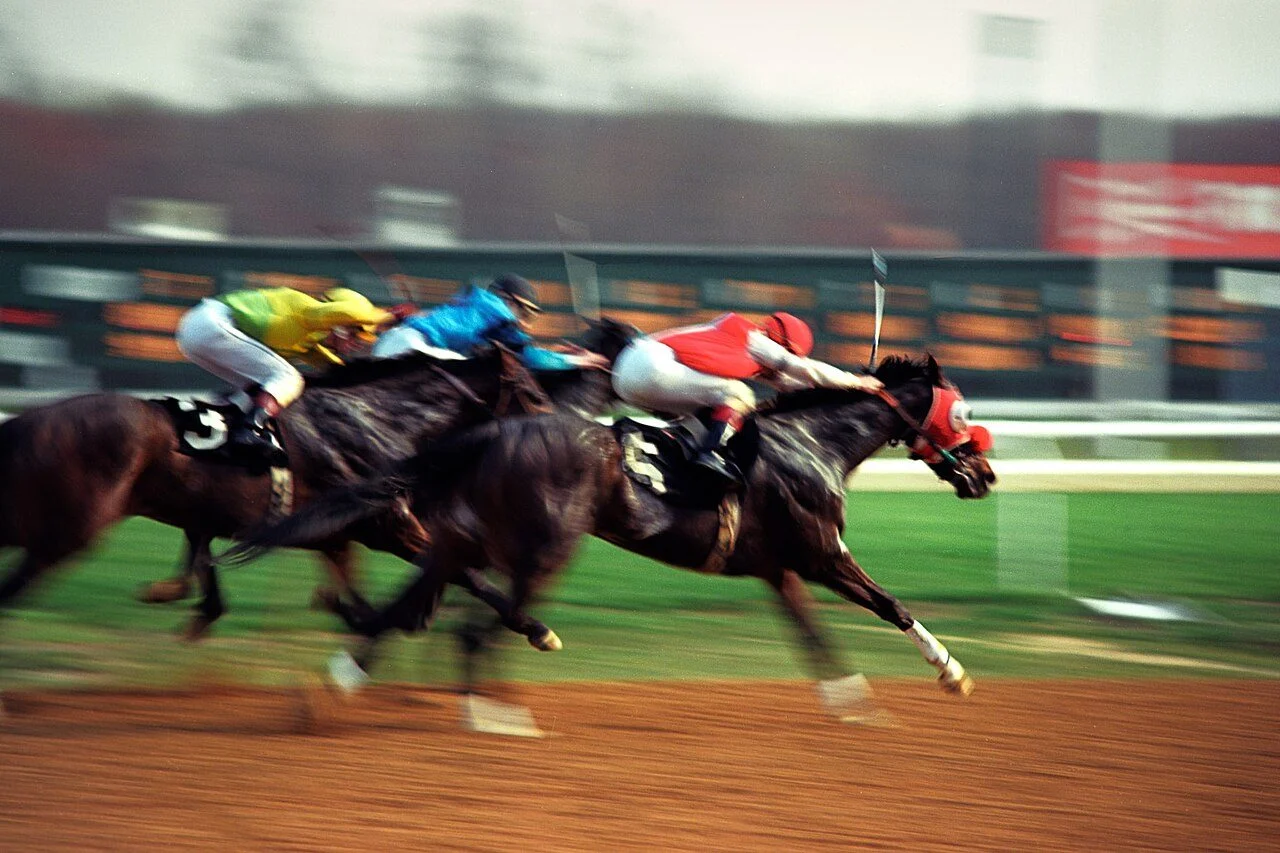
In fact, the nap is nearly always a horse racing term. For example, you will meet it most in newspaper racing pages and racing tip sites, where each tipster picks one nap per day. In short, the nap is the headline tip of the day.
A nap is a ranking, not a bet type. Still, you place a normal win bet on the horse, at the odds on offer. In other words, the label only tells you that the tipster rates this horse above the rest. Still, two tipsters can nap different horses in the same race, because each tipster judges form in their own way. Some football tipsters also name a nap of the day, often from the most popular football bets.
Where Does the Word Nap Come From?
The word nap comes from the card game Napoleon, often shortened to Nap. In that game, going nap means bidding to win all five tricks in the hand, the boldest bid at the table.
As a result, racing borrowed the word for the same idea. The nap is the boldest call a tipster makes, the pick they back with the most confidence. In short, the tipster is going nap on that selection. Racing glossaries trace the term to Napoleon, and the racing sense of nap dates back to the 1890s.
What Does NB Mean?
NB stands for next best, the tipster’s second most confident selection of the day. If the nap is the top pick, then the NB is the pick just below it.
In practice, tipsters publish the NB beside the nap as a second strong selection. For example, a reader who dislikes the nap price can look at the NB instead. In other words, the NB is a backup, not a rival to the nap. Note that NB says nothing about the odds. For example, an NB can be a short-priced favourite or a long-priced outsider.
How Naps Are Tracked
Naps are easy to track, because each tipster publishes only one a day. For example, newspapers and racing sites record every nap in a nap table, a league table that ranks tipsters by results over a season.
In practice, the table works on level stakes. That means every nap is scored as if the same stake was placed on it, often one point or one unit. Each result is then recorded at the starting price. As a result, no tipster can hide behind bigger stakes on winning days.
First, three numbers matter most: strike rate, profit or loss at level stakes, and return on investment. The strike rate is the share of naps that win. The return on investment is the profit divided by the total staked.
If you ask what is a nap in betting worth following, the nap table gives the answer. The table below is illustrative, showing how two imaginary tipsters might compare over 100 naps each:
| Tipster | Naps | Winners | Strike rate |
|---|---|---|---|
| Tipster A (illustrative) | 100 | 32 | 32% |
| Tipster B (illustrative) | 100 | 25 | 25% |
Tipster A won 32 out of 100, so the strike rate is 32%. Tipster B won 25 out of 100, so the rate is 25%. However, strike rate is only half the story. A tipster can win often at short odds and still lose money. In other words, the profit or loss tells you what the strike rate cannot: whether the naps paid at the odds on offer.
Worked Examples with Naira Stakes
In short, a nap is a normal win bet, so the maths is simple. In practice, the return is the stake times the decimal odds, and the profit is the return minus the stake. These examples show what is a nap in betting worth in cash.
Example 1: A Winning Nap at 2.00
For example, a tipster naps a horse at decimal odds of 2.00, which is evens. Next, you stake ₦5,000 on it to win, and it wins.
The return is ₦5,000 times 2.00, which is ₦10,000. As a result, the profit is ₦5,000. In short, you double your money.
Example 2: A Winning Nap at 3.00
For example, a tipster naps a horse at decimal odds of 3.00. Next, you stake ₦2,000 on it to win, and it wins.
The return is ₦2,000 times 3.00, which is ₦6,000. As a result, the profit is ₦4,000. Note that the profit is twice the stake here.
Example 3: A Month of Naps at Level Stakes
Now look at a longer run. Suppose a tipster publishes 100 naps, and you stake ₦1,000 on each one at level stakes. The total staked is 100 times ₦1,000, which is ₦100,000.
Suppose 30 win at average odds of 3.00. Each winner returns ₦1,000 times 3.00, which is ₦3,000. With 30 winners, the total return is 30 times ₦3,000, which is ₦90,000.
The net result is a loss of ₦10,000, and the return on investment is minus 10%. This is an illustrative example, not a real tipster’s record. Still, it shows an important point: a 30% strike rate can still lose money if the average odds are too short.
Example 4: A Nap and NB Double
For example, some readers combine the nap and the NB in a double. The nap is at 2.00 and the NB is at 3.00. A double multiplies the odds: 2.00 times 3.00 is 6.00.
A ₦1,000 double returns ₦6,000 if both horses win, a profit of ₦5,000. However, both horses must win, so the double is much harder to land than either single bet. For that reason, keep the stake small if you try it.
How to Read a Nap in a Newspaper or Online
Once you know what is a nap in betting, the next step is spotting one in print. In a newspaper racing page, the nap is often marked in bold, or with NAP in brackets after the horse name. Online, it may sit at the top of the tipster’s list.
First, check the race details. Note the course, the race time and the horse name, so you back the right runner. Next, check the odds on offer. The nap may have been published hours earlier, and the price may have moved since then. In practice, a nap at 2.00 can be 1.50 by race time.
Finally, set your stake before you bet. A common guide is to keep a nap stake to 1% to 2% of your session balance. For example, ₦50,000 gives a stake of ₦500 to ₦1,000. Our guide on bankroll management and staking plans explains how to size stakes and set limits.
Nap in Football Pools Means Something Different
Note that football pools coupons use the word nap with a different meaning. In pools, a nap is a line on the coupon, part of the pools scoring system, and it has nothing to do with horse racing tips. This article is about the tipster’s nap. If you play the pools, read our guide to football pools terms.
Common Mistakes with Naps
The most common mistake is treating a nap as a certain winner. It is not. A nap is the tipster’s most confident pick, and even the best tipsters see most of their naps lose. For example, a 30% strike rate means 70 naps out of 100 lose, so losing runs are normal.
Another mistake is chasing the nap after it loses. Some readers raise the stake on the next nap to win back the loss. Instead, keep stakes level and judge the tipster over a month or a season, not a day. A third mistake is backing the nap at any price. A nap at 1.20 pays only ₦200 on a ₦1,000 stake, and one loss wipes out five wins at that price.
Frequently Asked Questions
What is a nap in betting, in short?
In short, a nap in betting is a tipster’s single most confident selection of the day, usually a horse in a race. The label shows confidence, not a promise that the pick will win.
Where does the word nap come from?
In fact, the word comes from Napoleon, a card game often shortened to Nap. In the game, going nap means bidding to win all five tricks in the hand. Racing borrowed the word for a tipster’s boldest call of the day, and the racing sense dates back to the 1890s.
What does NB mean in betting?
In short, NB stands for next best. It is the tipster’s second most confident selection of the day, the pick just below the nap. Tipsters publish the NB beside the nap as a second strong selection.
Do naps always win?
No. A nap is a confidence label, not a promise. In fact, even strong tipsters win only around a quarter to a third of their naps, so most naps lose. That is why a nap should get a normal stake, not a large one.
How do I find a tipster’s nap?
First, look for NAP marked beside a horse name in a newspaper racing page, or a nap of the day box on a racing tip site. Then check the race time, the course and the current odds before you bet.
Is a nap the same as a banker?
In short, they are close, but not the same. A banker is any selection a punter thinks is very likely to win, and a punter can name several in a day. A nap is stricter: one per tipster per day.
Should You Follow Naps?
So, what is a nap in betting, in the end? It is a headline pick, a quick way to see which selection a tipster fancies most. In short, it turns a long list of tips into one clear pick.
Still, a nap is only an opinion. It does not change the odds, and it does not remove the risk. For that reason, follow tipsters with a long, public record, check the price before you bet, and keep stakes small and level. Judge the tipster over a season, not a single day.
18+ only. Bet responsibly.