
- What Health Means in Health vs Fitness
- What Fitness Means in Health vs Fitness
- How Health vs Fitness Overlap and Differ
- Can You Be Fit but Unhealthy?
- Can You Be Healthy but Unfit?
- Health vs Fitness: Daily Habits That Serve Both
- Health vs Fitness for Football Fans
- Frequently Asked Questions
- What is the difference between health and fitness?
- Which matters more in health vs fitness?
- Can you be fit but unhealthy?
- How much exercise do adults need each week?
- How much sleep do adults need?
- The Bottom Line
Health vs fitness confuses many people, because the two words sound like they mean the same thing. In fact, they describe different things. A marathon runner can look supremely fit yet still be unhealthy. In addition, a person with no diagnosed illness can still be unfit.
Last updated: November 2026
Quick Answer
- Health vs fitness is not a contest: fitness is one part of health.
- Health is physical, mental and social well-being, not just no disease.
- Fitness is what your body can do: endurance, strength, flexibility, body composition.
- A fit person can be unhealthy, and a healthy person can be unfit.
- The same habits serve both: activity, strength, sleep, food and rest.
What Health Means in Health vs Fitness
The World Health Organization defines health as “a state of complete physical, mental and social well-being and not merely the absence of disease or infirmity.” However, the word “complete” does not mean perfect health. In fact, no one enjoys complete well-being all the time. Instead, it is holistic: it covers the whole person, not just the body.
Health has three dimensions. First, physical well-being covers steady energy, daily tasks, and no unmanaged disease. Second, mental well-being covers mood, stress and coping. Third, social well-being covers relationships, support and community. As a result, a person can be free of diagnosed disease and still not be healthy in the WHO sense.
The WHO position is simple: there is no health without mental health. In addition, activity reduces symptoms of depression and anxiety and improves brain health. For reliable local reading, see our list of Nigerian health and wellness websites.
What Fitness Means in Health vs Fitness
The American College of Sports Medicine defines physical fitness as “a set of physical attributes that people have or achieve that relates to the ability to perform physical activity.” In other words, fitness is what your body can do.
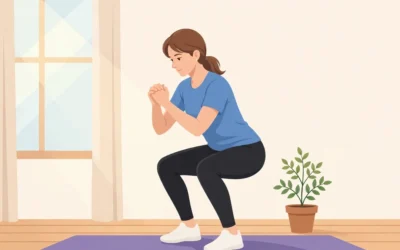
Fitness has five health-related components. First, cardiorespiratory endurance is how well your heart and lungs deliver oxygen to your muscles. Second, muscular strength is the most force a muscle can produce in a single effort. Third, muscular endurance is how many times a muscle can repeat a movement without tiring. Fourth, flexibility is the range of motion available at a joint. Finally, body composition is the proportion of fat to fat-free mass in the body. In other words, it is not the same as body weight.
How Health vs Fitness Overlap and Differ
Fitness is one part of health. In fact, physical fitness sits inside physical health, one of the three dimensions. Health covers more: it adds mental well-being, social well-being, sleep, nutrition and medical conditions. In short, fitness is about what your body can do, while health is about how your whole life is going. That is the heart of health vs fitness: one is a part, the other is the whole.
Fitness is measurable. In contrast, health is broader and partly subjective: how you feel, how you sleep, how you cope, and how connected you feel. As a result, two people with the same fitness score can be in very different health.
Activity serves both sides at once. For example, in adults, physical activity prevents and manages cardiovascular disease, cancer and diabetes. In addition, it reduces symptoms of depression and anxiety and improves brain health. The benefits of regular exercise reach far beyond the gym.
Can You Be Fit but Unhealthy?
Yes, and it happens often. In fact, a fit body does not guarantee a healthy life. For example, a fast marathon runner can still have high blood pressure or an undiagnosed heart problem. The American Heart Association treats fitness as one risk marker among several, not as a clean bill of health.
Overtraining is one way fitness and health part company. In fact, sports medicine experts describe overtraining syndrome as a state of prolonged maladaptation. First, performance drops and stays down for more than two months. In addition, fatigue and mood changes persist, and recovery takes months. The warning signs include fatigue that sleep does not clear, loss of motivation, insomnia and waking unrefreshed. Finally, overtraining is a diagnosis of exclusion: anaemia, thyroid disease, infection, asthma, a heart problem and depression all look like overtraining, and a clinician rules those out first.
Eating too little for the training load is another route. The International Olympic Committee calls this relative energy deficiency in sport, or REDs: impaired physical or psychological functioning caused by prolonged or severe low energy availability. In plain terms, too little energy is left for the body’s needs after exercise. As a result, the outcomes are poorer well-being, more injuries and lower performance.
In short, a fit person can still be unhealthy. Too much training, too little food, poor sleep, stress, or an ignored medical problem can all do it. Fitness measures performance, not health.
Can You Be Healthy but Unfit?
Yes, but it carries risk. As of November 2026, nearly one third of the world’s adults — 31%, about 1.8 billion people — are physically inactive. In other words, they do not meet the WHO activity recommendations. As a result, people who are insufficiently active have a 20–30% increased risk of death.
Cardiorespiratory fitness is a strong predictor of risk. For example, the American Heart Association calls it a potentially stronger predictor of mortality than smoking, hypertension, high cholesterol or type 2 diabetes. In fact, low fitness (under 5 METs) is linked to higher cardiovascular mortality. Each 1-MET increase in fitness is linked to a 10–20% lower mortality rate. Above all, most of the benefit comes from moving from the least-fit group to the next group up.
Researchers at the Cleveland Clinic followed 122,007 adults for a median of 8.4 years. In fact, the least-fit participants had roughly five times the risk of dying compared with the most fit. In the end, “no disease” is not the same as “healthy” — which is exactly the point of the WHO definition.
Health vs Fitness: Daily Habits That Serve Both
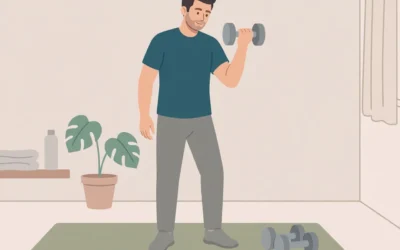
The habits below serve both sides of health vs fitness. The WHO guidelines for adults aged 18–64 are clear. First, adults should do at least 150–300 minutes of moderate-intensity aerobic activity per week. Alternatively, 75–150 minutes of vigorous-intensity activity works, or an equivalent mix of the two. In addition, strengthen the major muscle groups on 2 or more days a week.
Sleep serves both health and fitness. For example, adults aged 18–60 should sleep 7 or more hours per night on a regular basis. The National Sleep Foundation gives 7–9 hours for adults aged 18–64. In other words, 7 is the floor and 7–9 is the band, and needs vary. Our guide to the foundations of better health covers sleep as one of its practical habits.
For example, everyone over 10 years old should eat at least 400 g of fruit and vegetables per day. In addition, aim for at least 25 g of naturally occurring dietary fibre per day. Free sugars should stay below 10% of total daily energy. Finally, for salt, the WHO advises adults to keep it under 5 g a day.
Rest is part of training, not the opposite of it. However, the WHO and ACSM give no universal “take X rest days a week” rule. Instead, balance training load with recovery and spread activity across the week. If you are starting out, our guide can help you choose the right fitness routine.
Health vs Fitness for Football Fans
Football shows the difference between health and fitness better than most sports. First, professional outfield players cover roughly 9–11 km in a 90-minute match. For example, central midfielders cover the most, about 11.0 km. Finally, the decisive part is high-intensity running: an outfield player covers about 734 m at high intensity per match.
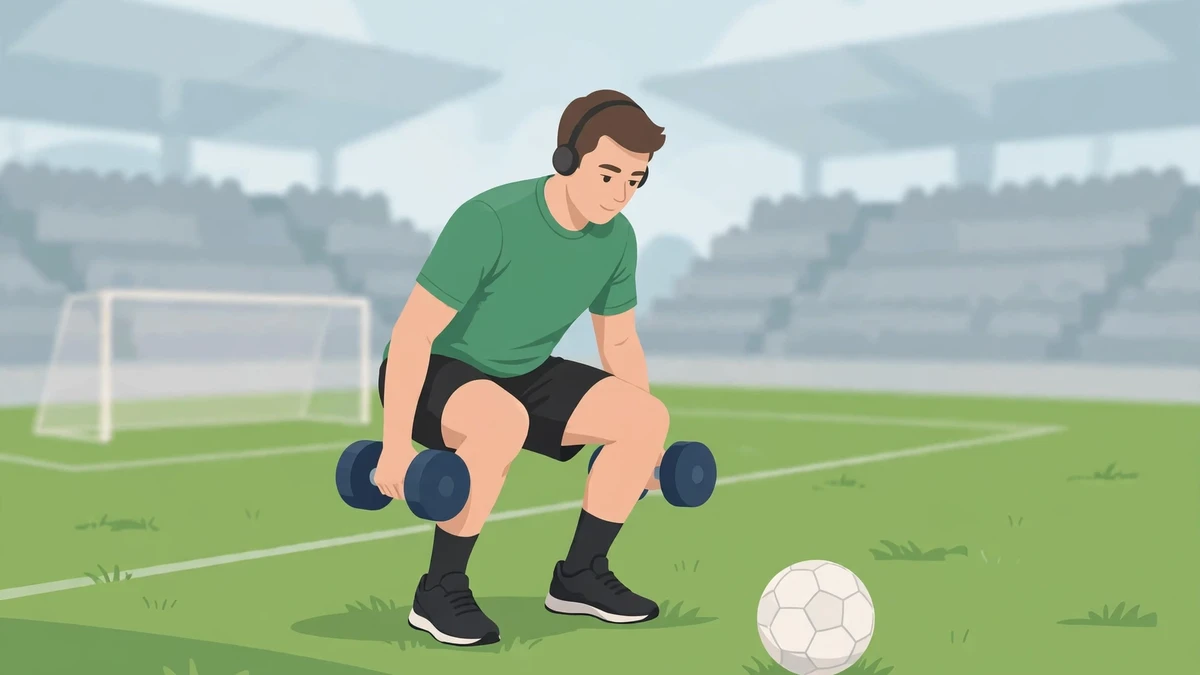
Pros train five to six days a week, with at least one full day off. In fact, clubs plan the week backwards from match day. The day after a match is active recovery. Two days after is a day off, and the day before is activation only. In short, a pro’s fitness comes from a planned mix. Aerobic work, strength work, speed work and scheduled recovery matter more than training hard every day.
Fans should borrow the structure, not the volume. A fan does not need 5–6 training days or 110-minute sessions. Instead, a mix of aerobic activity, strength work twice a week and a planned rest day is enough. Similarly, steady movement with short hard efforts beats occasional all-out sessions.
Frequently Asked Questions
What is the difference between health and fitness?
Health is the whole picture: physical, mental and social well-being. In other words, fitness is one part of it: what your body can do.
Which matters more in health vs fitness?
Neither matters more on its own. For example, fitness is one of the strongest ways to reach the bigger goal of health.
Can you be fit but unhealthy?
Yes. For example, overtraining, too little food, poor sleep or an ignored medical problem can all leave a fit person unhealthy.
How much exercise do adults need each week?
The WHO recommends at least 150–300 minutes of moderate activity, or 75–150 minutes of vigorous activity, per week. In addition, strength work belongs on 2 or more days a week.
How much sleep do adults need?
Adults aged 18–60 should sleep 7 or more hours per night. The National Sleep Foundation gives 7–9 hours for adults aged 18–64. In other words, 7 is the floor and 7–9 is the band.
The Bottom Line
In the end, health vs fitness is not a contest. Health is the whole picture — physical, mental and social well-being — and fitness is one part of it. As a result, a fit person can still be unhealthy, and a healthy person can still be unfit. Finally, start with the WHO targets and borrow the footballer’s structure.
This article is general information, not medical advice. If you have a health condition, or you have not exercised for a while, speak to a doctor before starting a new exercise routine.