- What Is a Super Sub in Football? The Meaning
- What Is a Super Sub in Football? Where the Term Comes From
- What Is a Super Sub in Football? Why Managers Use Impact Substitutes
- What Is a Super Sub in Football? The Qualities of a Great Impact Substitute
- What Is a Super Sub in Football? The Most Famous Super Subs
- Solskjaer and Sheringham, Manchester United 1999
- Gotze and Eder, Finals Won from the Bench
- Origi, Liverpool’s Cult Hero
- Wijnaldum, Two Goals in Two Minutes
- Rodrygo and Joselu, Real Madrid’s Late Heroes
- The Rules Behind the Super Sub
- What is a super sub in football?
- What is a super sub in football, in simple terms?
- Is a super sub a real position in football?
- Who is the most famous super sub in football history?
- Why do super subs score so many late goals?
What is a super sub in football? A super sub is a player who regularly comes off the bench and changes a match. They usually do it by scoring a goal, creating one, or shifting the momentum. In other words, the super sub is football’s late-game weapon. For example, a striker who enters in the 80th minute and scores the winner has done the job.
Last updated: November 2026
Quick Answer
- A super sub is a substitute who regularly changes matches from the bench, usually by scoring or creating a goal.
- The term comes from Liverpool striker David Fairclough in the mid-1970s.
- Managers use super subs for fresh legs against tired defenders and late goals when chasing a match.
- The most famous example is Ole Gunnar Solskjaer, scorer of the winner in the 1999 Champions League final after coming on in the 81st minute.
What Is a Super Sub in Football? The Meaning
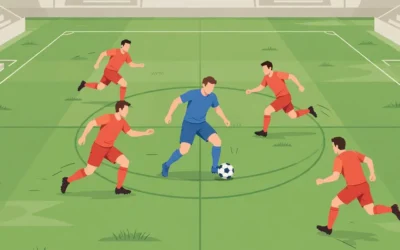
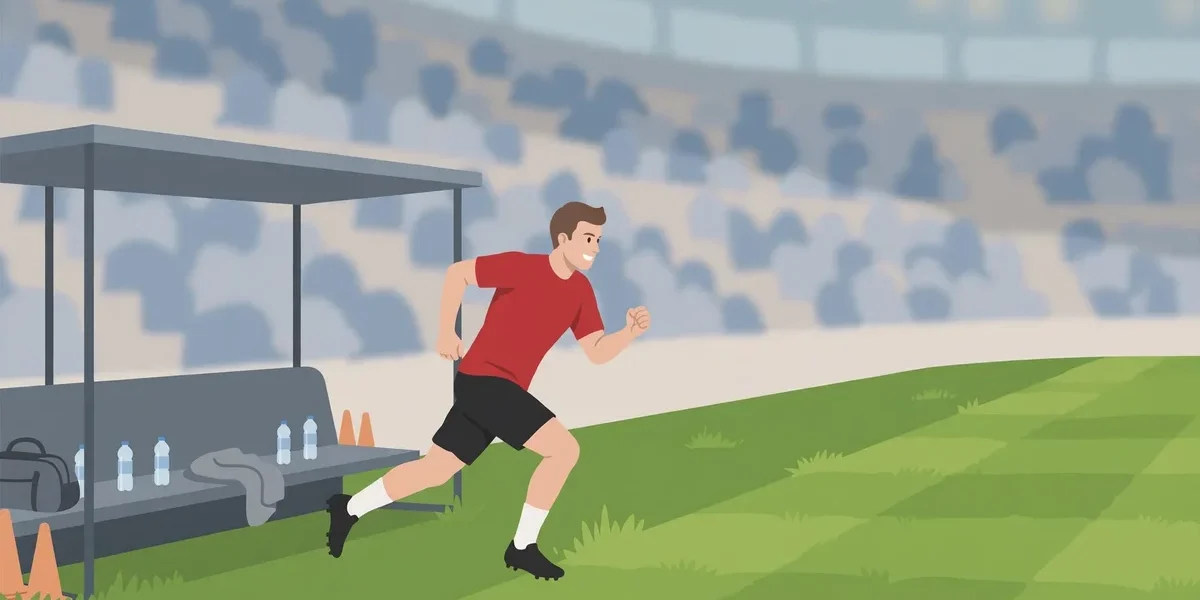
A super sub, also called an impact substitute, is a player known for deciding matches after coming off the bench. However, the role is about impact rather than position. Most famous super subs are attackers, yet any substitute who changes a game can earn the tag. In addition, a super sub is different from an ordinary substitute. Every team uses substitutes, but few players become known for deciding games from the bench.
Above all, a super sub is not a formal position or a term from the Laws of the Game. Fans, commentators and clubs use it as a nickname instead. For instance, our guide to football positions covers the starting eleven. In other words, no team sheet ever lists “super sub” as a position. The player may be a striker, a winger or a midfielder.
What Is a Super Sub in Football? Where the Term Comes From
The term “super sub” traces back to Liverpool striker David Fairclough in the mid-1970s. In fact, the phrase entered football language because of Fairclough’s decisive goals from the bench. His most famous goal came in a European Cup quarter-final second leg against Saint-Etienne at Anfield on 16 March 1977. Liverpool had lost the first leg 1-0 in France. They led 2-1 on the night but trailed on away goals. After that, manager Bob Paisley sent Fairclough on in the last 20 minutes. With six minutes remaining, Fairclough ran onto a long ball, held off two defenders and scored at the Kop end. As a result, Liverpool won 3-1 on the night and 3-2 on aggregate. ITV commentator Gerald Sinstadt’s call as the goal went in was: “Supersub strikes again!”
Fairclough played for Liverpool from 1975 to 1983 and scored 55 goals in about 150 appearances. In addition, 18 of those goals came as a substitute. Fairclough later called the tag “both a blessing and a curse”.
What Is a Super Sub in Football? Why Managers Use Impact Substitutes
Firstly, fresh legs make a real difference late in a match. A substitute enters when the opposition has played 60 to 80 minutes, so pace is much harder to defend. Secondly, managers use a super sub when chasing a goal. They add an extra attacker or a different type of forward, such as a target man or a pacey runner. Thirdly, a substitute has watched the first hour from the bench. Because of this, they enter knowing where space is opening up. In addition, the mentality matters as much as the tactics. For instance, the best super subs accept the bench role and treat a cameo as their whole match.
What Is a Super Sub in Football? The Qualities of a Great Impact Substitute
Pace and directness matter most. A super sub runs at defenders who have already played most of the match. In addition, sharp and instinctive finishing matters more than anything else. The player gets few touches and little time to settle. Similarly, game intelligence matters too: a great super sub knows where to be in a crowded box. In the same way, versatility helps: a player who can fill more than one role gives the manager options. Mentality separates the great super subs from the rest. They accept the bench without sulking and stay ready.
What Is a Super Sub in Football? The Most Famous Super Subs

Each example below changed a huge match.
Solskjaer and Sheringham, Manchester United 1999
Ole Gunnar Solskjaer is the defining super sub. The 1999 Champions League final was at Camp Nou on 26 May 1999. Manchester United trailed Bayern Munich 1-0 from Mario Basler’s free-kick in the 6th minute. Teddy Sheringham replaced Jesper Blomqvist in the 67th minute, and Solskjaer replaced Andy Cole in the 81st minute. Then, Sheringham equalised in the 90+1′ from a David Beckham corner. Solskjaer scored the winner in the 90+3′ from another Beckham corner, with Sheringham flicking it on.
Both goals came in stoppage time, and substitutes scored both of United’s goals. As a result, United won 2-1 and completed the treble, the first English club to do so.
Gotze and Eder, Finals Won from the Bench
Mario Gotze gave Germany the 2014 World Cup. Gotze came on in the 88th minute for Miroslav Klose in the final against Argentina on 13 July 2014. Then, in the 113th minute, he controlled a cross from fellow substitute Andre Schurrle and volleyed past Sergio Romero. In addition, the goal made Gotze the first substitute ever to score a World Cup-winning goal. As a result, Germany won 1-0 after extra time.
Two years later, Eder did the same for Portugal. In the final against France on 10 July 2016, Ronaldo left the match injured in the 25th minute. After that, Eder came on in the 79th minute for Renato Sanches. Then, in the 109th minute, he held off Laurent Koscielny and fired a low shot past Hugo Lloris. Portugal won 1-0 after extra time and claimed their first major trophy.
Origi, Liverpool’s Cult Hero
Divock Origi is a Liverpool cult hero as an impact substitute. The 2019 Champions League final took place at the Wanda Metropolitano on 1 June 2019. Mohamed Salah’s penalty in the 2nd minute put Liverpool ahead. Origi came on in the 58th minute for Roberto Firmino. He scored in the 87th minute past Hugo Lloris. As a result, Liverpool won 2-0 and sealed their sixth European Cup.
In addition, Origi scored other substitute winners in the same season. After that, against Newcastle United on 4 May 2019, he came on in the 73rd minute. He headed in the 86th-minute winner from Xherdan Shaqiri’s free-kick, and Liverpool won 3-2.
Wijnaldum, Two Goals in Two Minutes
Georginio Wijnaldum produced the most dramatic super-sub performance of that run. The semi-final second leg against Barcelona was at Anfield on 7 May 2019. Liverpool had lost the first leg 3-0 and trailed 3-0 on aggregate. After that, Wijnaldum came on at half-time, in the 46th minute, for the injured Andy Robertson. He scored in the 54th minute from a Trent Alexander-Arnold cross. Then, he scored again in the 56th minute from a Xherdan Shaqiri cross. The two goals came 122 seconds apart and levelled the tie at 3-3 on aggregate. Divock Origi, who had started the match, completed the comeback in the 79th minute. In the end, Liverpool won 4-0 on the night and 4-3 on aggregate. In fact, Wijnaldum was the first substitute to score twice in a Champions League semi-final.
Rodrygo and Joselu, Real Madrid’s Late Heroes
Rodrygo produced a great late show against Manchester City at the Bernabeu on 4 May 2022. City led 5-3 on aggregate when Rodrygo came on in the 68th minute for Toni Kroos. Then, he scored in the 90th minute from a Karim Benzema cutback. He scored again in the 90+1′ from a Dani Carvajal cross. The two goals came within about a minute of each other and forced extra time. Karim Benzema’s penalty in the 95th minute completed the comeback. As a result, Real Madrid won 3-1 on the night and 6-5 on aggregate.
Two years later, Joselu did the same against Bayern Munich on 8 May 2024. Bayern led 1-0 through Alphonso Davies in the 68th minute. After that, Joselu came on in the 81st minute for Federico Valverde. He scored in the 88th minute after Manuel Neuer spilled a Vinicius Junior shot. Then, he scored again in the 90+1′ from an Antonio Rudiger cross. As a result, Real Madrid won 2-1 on the night and 4-3 on aggregate.
The Rules Behind the Super Sub
Firstly, the rules give managers room to use super subs. Under IFAB Law 3, teams in the five-substitute system may use five substitutes in three opportunities. Substitutions at half-time do not count as one of the three opportunities. Secondly, unused substitutes and unused opportunities carry over into extra time. In addition, competitions may allow one extra substitute and opportunity in extra time. The full substitution rules explain the system in detail. For example, substitutions entered the Laws of the Game in 1958. The limit rose to two in 1994 and three in 1995. The five-substitute rule arrived in 2020 and became permanent in 2022.
What is a super sub in football?
A super sub in football is a substitute who regularly changes matches from the bench.
What is a super sub in football, in simple terms?
In simple terms, it is a player the manager keeps on the bench because they are dangerous late on.
Is a super sub a real position in football?
No. A super sub is a nickname rather than a position or a term from the Laws of the Game.
Who is the most famous super sub in football history?
Ole Gunnar Solskjaer holds that title for most fans. He scored the winner in the 1999 Champions League final after coming on in the 81st minute.
Why do super subs score so many late goals?
They enter when defenders have played most of the match and are tiring. Fresh pace and sharp finishing are hard to defend.
In short, the answer to what is a super sub in football comes down to one word: impact. Modern managers still keep a game-changer on the bench.