- What Is a Centre-Back in Football? The Basics
- What Is a Centre-Back in Football? The Main Jobs
- What Is a Centre-Back in Football? The Skills That Matter
- Zonal Defence Versus Man-to-Man Marking
- What Is a Centre-Back in Football? In Possession
- Set Pieces: Attacking and Defending
- Organisation, Communication and the Offside Trap
- What Is a Centre-Back in Football? The Shirt Numbers 4, 5 and 6
- The Great Centre-Backs
- What Is a Centre-Back in Football? How the Role Has Changed
- Centre-Back Versus Full-Back and Sweeper
- Frequently Asked Questions
- What does a centre-back do?
- Is a centre-back the same as a sweeper?
- Why do centre-backs wear numbers 4, 5 and 6?
- Can a centre-back score goals?
- What makes a great centre-back?
What is a centre-back in football? It is the defender who stands in the heart of the defence, directly in front of the goal. The main job is to stop the other team’s attackers from scoring. This guide explains the role in plain English.
Last updated: November 2026
Quick Answer
- A centre-back is a central defender who plays in front of the goalkeeper and stops opposing forwards from scoring.
- What is a centre-back in football? The tall, strong defender at the heart of the back line, also called a centre-half.
- Most teams play two centre-backs, and they often wear the shirt numbers 4, 5 or 6.
- The job mixes tackling, heading, blocking shots, intercepting passes and reading the game.
- Famous examples include Bobby Moore, Franco Baresi, Paolo Maldini, Sergio Ramos and Virgil van Dijk.
What Is a Centre-Back in Football? The Basics
A centre-back, also called a central defender or centre-half, defends the area directly in front of the goal. The modern role grew out of the old centre-half position. The job is simple to state and hard to do: prevent opposing players, particularly centre-forwards, from scoring.
Most teams play two centre-backs in front of the goalkeeper, forming the heart of the back line. For example, in a back four, the two centre-backs sit in the middle, with a full-back on each side. The full-back plays wide, while the centre-back guards the central channel, where most goals come from. There are many roles in football positions, and the centre-back is one of the most demanding. That is what is a centre-back in football at its simplest. It is the defender who stands between the attackers and the goal.
What Is a Centre-Back in Football? The Main Jobs
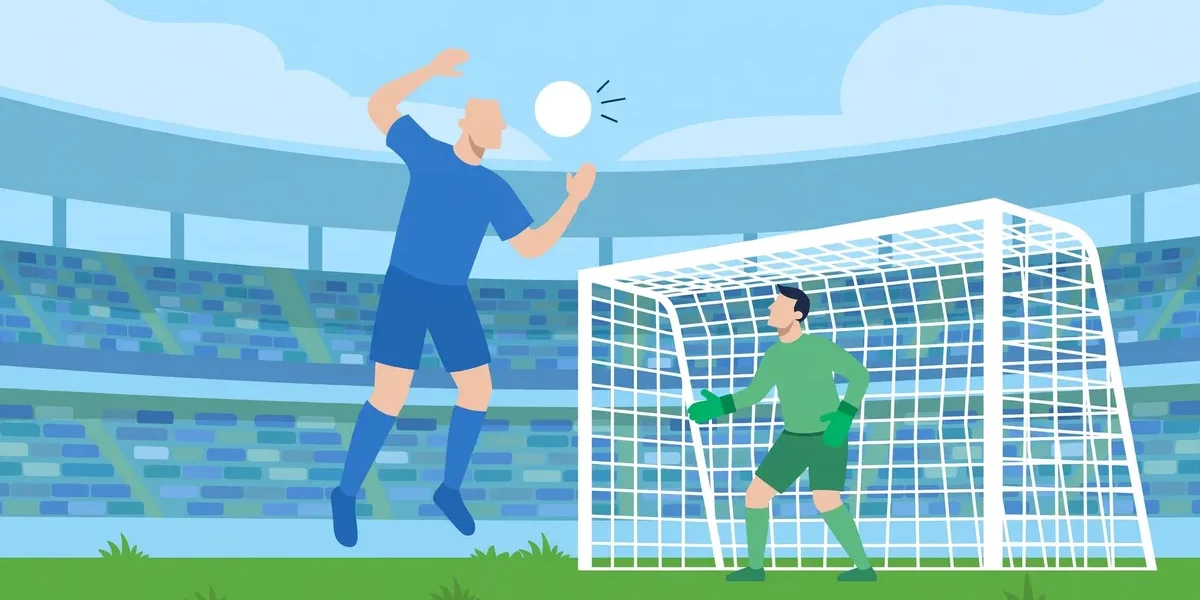
The centre-back’s work is a mix of five jobs. First, blocking shots: putting a body in the way of the ball before it reaches the goal. Second, tackling: winning the ball cleanly from an attacker, often with a last-ditch tackle when the danger is greatest. Third, intercepting passes: reading the pass and stepping in front of it. Fourth, contesting headers: winning the ball in the air from long balls and crosses. Fifth, marking forwards: staying close to an attacker to discourage the opposing team from passing to them.
What Is a Centre-Back in Football? The Skills That Matter
Centre-backs are often tall and strong, with good jumping, heading and tackling ability. Height helps in the air, and strength helps in the shoulder-to-shoulder battles with centre-forwards.
In addition, the best centre-backs have three mental skills. First, concentration: staying alert through long spells when the ball is far away. Second, the ability to read the game well: anticipating where the pass will go and where the attacker will run. Third, bravery and decisiveness. A last-ditch tackle must be timed to perfection. A mistimed tackle can give away a penalty or a free kick.
Zonal Defence Versus Man-to-Man Marking
Teams defend with one of two main strategies. In zonal defence, each centre-back covers a specific area of the pitch. The defender guards that zone, no matter who runs into it. In contrast, in man-to-man marking, each centre-back tracks a particular opposing player wherever they go.
For example, in zonal marking, a team defends a corner by placing a centre-back on each part of the penalty area. In man-to-man marking, the team puts a centre-back on each dangerous attacker. As a result, the choice of system changes what the centre-back watches: the space, or the player.
What Is a Centre-Back in Football? In Possession
Centre-backs do more than defend. In possession, they are generally expected to make long and pinpoint passes to their teammates. For example, a diagonal pass from a centre-back can switch the play to the far wing in one kick. In addition, a centre-back may kick an unaimed long ball down the field when the team is under pressure.
A clearance is a long unaimed kick intended to move the ball as far as possible from the defender’s goal. It is the safe option when there is no pass on. However, modern ball-playing centre-backs do more than clear the ball. They start attacks from the back, passing through the lines and carrying the ball forward when space opens up. In short, that is what is a centre-back in football in the modern game. The defender starts attacks as well as stopping them.
Set Pieces: Attacking and Defending
Set pieces are a big part of the centre-back’s game. When their team takes a corner kick or another set piece, centre-backs may move forward to the opponents’ penalty area, where their heading ability is useful for scoring. Meanwhile, the full-backs stay back to cover the defensive duties.
At their own end, centre-backs defend set pieces: they pick up the most dangerous attackers, attack the ball in the air and clear it from the danger zone. For example, a strong header from a centre-back can end a corner before it becomes a chance.
Organisation, Communication and the Offside Trap
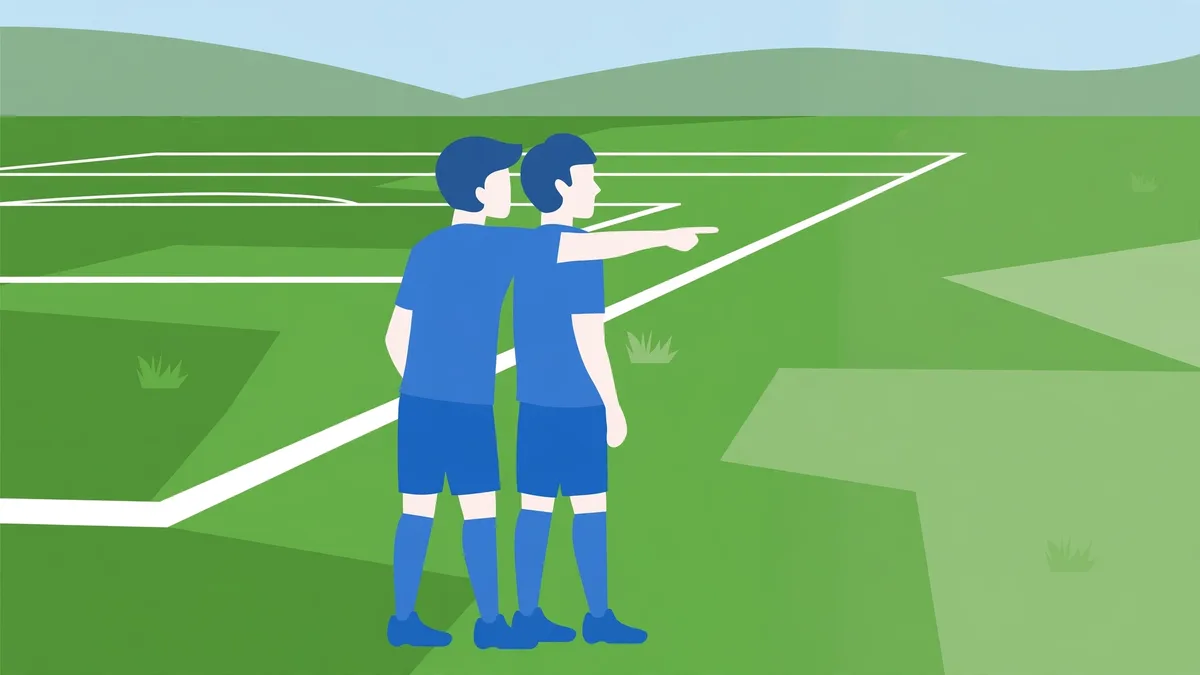
A centre-back is also the organiser of the defence: the centre-backs hold the line, tell the full-backs when to push up or drop back, and talk to the goalkeeper throughout the game. For example, the goalkeeper can see the whole pitch, so the two work as a pair to set the line.
One part of that work is stepping up together to catch attackers offside: when the whole line steps up at the right moment, an attacker beyond the last defender is caught offside. That is the offside trap, and it only works when every defender moves as one. As a result, communication is as important as tackling.
What Is a Centre-Back in Football? The Shirt Numbers 4, 5 and 6
Centre-backs often wear the shirt numbers 4, 5 or 6. The numbers come from the old 2-3-5 formation, where the centre-half wore number 5 and the two half-backs wore 4 and 6. In fact, the numbers stuck even as formations changed.
The Great Centre-Backs
Bobby Moore is the most famous English centre-back. He captained England to the 1966 World Cup, and he is remembered for his reading of the game and his clean tackling.
Franco Baresi and Paolo Maldini formed one of the great partnerships at AC Milan. Maldini scored after 51 seconds in the 2005 Champions League final, the fastest goal in a European Cup/Champions League final. Sergio Ramos wrote his name into the same competition at Real Madrid: he scored the 93rd-minute equaliser in the 2014 Champions League final, and he scored again in the 2016 final. Virgil van Dijk is the modern example at Liverpool, a tall, calm defender who organises the line around him.
What Is a Centre-Back in Football? How the Role Has Changed
The role has changed a great deal since the days of the old centre-half, when the job was mainly to win the ball and clear it. In contrast, the modern centre-back is expected to play with the ball as well, and a centre-back who can pass through the lines gives the team an extra playmaker at the back.
For example, a ball-playing centre-back may step into midfield with the ball, drawing an attacker out of position. As a result, the best centre-backs are judged on their passing as well as their defending. However, the core of the job has not changed: stop the other team from scoring. That is what is a centre-back in football in every era: the defender in front of the goal.
Centre-Back Versus Full-Back and Sweeper
A centre-back is not the only type of defender. A full-back plays wide, guarding the flanks and supporting the attack down the wing, while the centre-back stays central and guards the goal. The two roles need different skills: the full-back needs pace and crossing, while the centre-back needs strength and heading.
A sweeper, also called a libero, is a related role: the sweeper plays behind the defensive line, sweeping up loose balls and covering for teammates. In fact, the sweeper was common in older systems, while most modern teams use a flat back line.
Frequently Asked Questions
What does a centre-back do?
A centre-back defends the area in front of the goal. The job is to block shots, tackle, intercept passes, win headers and mark forwards, so the other team cannot score.
Is a centre-back the same as a sweeper?
No. A sweeper plays behind the defensive line and covers for teammates, while a centre-back plays in the line itself, in front of the goalkeeper.
Why do centre-backs wear numbers 4, 5 and 6?
The numbers come from the old 2-3-5 formation, where the centre-half wore 5 and the half-backs wore 4 and 6. The numbers stayed in use even as formations changed.
Can a centre-back score goals?
Yes. Centre-backs often score from set pieces, moving forward for corners and free kicks to use their heading ability.
What makes a great centre-back?
Reading the game, concentration, tackling, heading and bravery.
That is what is a centre-back in football: a tall, strong defender who stands in front of the goal, wins duels, reads the game and organises the line. The role has grown from the old centre-half into one of the most complete jobs in the game, mixing defending with passing and leadership. For more explainers like this one, visit our sports news section.