

- How a Betting Exchange Works
- The Exchange vs Bookmaker
- What Are Back and Lay?
- How Back Betting Works
- How Lay Betting Works
- How Trading on an Exchange Works
- How Does a Betting Exchange Work: Commission
- How Does a Betting Exchange Work: Worked Examples
- Common Mistakes on a Betting Exchange
- How Does a Betting Exchange Work: Betting in Nigeria
- Frequently Asked Questions
- How does a betting exchange work in simple terms?
- Is it better to back or lay?
- Can you lay a bet on a bookmaker?
- What is the commission on a betting exchange?
- Conclusion
A betting exchange is a market where punters bet against each other. The exchange sets the market, takes a small cut, and lets backers and layers trade odds. In short, this guide explains how a betting exchange works, what back and lay mean, and how commission affects every bet.
Last updated: November 2026
Quick Answer
- An exchange matches backers (betting something will happen) with layers (betting it will not).
- Backing is like a normal bet; laying is betting against an outcome.
- The exchange earns a commission on wins, not a margin on odds.
- Back and lay the same selection for a set profit: hedging.
- Odds move in real time as other punters trade.
How a Betting Exchange Works
A betting exchange lets punters bet with one another. The first betting exchange was Betfair, launched by Andrew Black and Edward Wray in June 2000. In the same way, Betfair built the model that other online betting exchanges copied, including Betdaq and Smarkets.
In detail, the exchange takes a percentage of a winning bet. In general, the fees work like this:
- Betfair UK: 2% basic rate, after a win.
- Betdaq: 2% basic rate, after a win.
- Smarkets: 0% on wins if the balance is negative; 2% on losses, per event.
- Matchbook: 1.5% on wins; 2% on losses.
Sports betting terms are the place to start if the jargon is new.
The Exchange vs Bookmaker
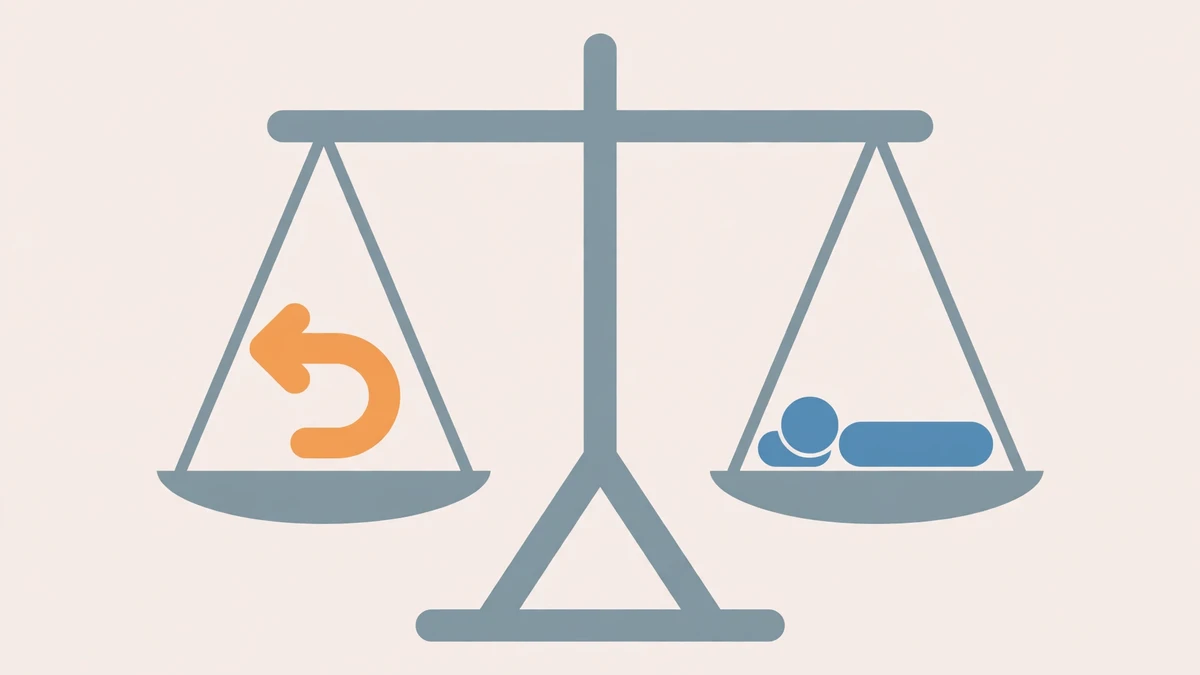
In contrast, a traditional bookmaker trades with you. It creates the odds, takes the other side of your bet, and profits when you lose. In other words, you bet against the house. A betting exchange takes the opposite side of a trade, and lets you trade with other punters instead.
All in all, the biggest difference is at the edges. In general, exchange players pay a small commission on wins(from 0% to 7% of a winnings), rather than the house taking the margin. Bet against the other side of the trade, and let other punters push the odds.
| Rule | Exchange | Bookmaker |
|---|---|---|
| Who you bet against | Other punters | The bookmaker |
| Your side | Back or lay | Back only |
| Odds | Market-driven, often higher | Set by the house |
| Profit model | Commission on wins | Margin built into odds |
| Commissions | 0–7% of winnings | None (margin instead) |
| Best for | Traders and value hunters | Casual punters |
What Are Back and Lay?
Firstly, back means to bet that an outcome will happen, and laying means to bet that it will not happen. Backing an outcome means you win if the outcome happens, and laying it means you win if it doesn’t happen.
Secondly, laying an option means to bet against it. For example, to “lay” a horse means to bet that it will lose. Backing an outcome means you win if the outcome happens, and laying it means you win if it doesn’t happen.
Thirdly, you can use an exchange to lay a selection — also known as “putting in a lay”.
Above all, back and lay are the two sides of every exchange trade.
How Back Betting Works
In general, backing means to bet on something to happen. You pick an outcome, back it at the odds on offer, and win if it happens. In fact, backing an outcome is what most punters are used to doing.
How Lay Betting Works
However, laying means to bet on something not to happen. Think of it as taking the role of the bookmaker: you take a bet from someone else, collect their stake, and pay them if the outcome happens.
For example, to “lay” a horse means to bet that it will lose.
Moreover, lay betting has become one of the best ways to profit from a match. Still, it can cost you money quickly.
Next, a lay bet can cost you more than your stake. If you lay odds of 5.00 for a stake of ₦10,000, your liability is ₦40,000 — the amount you pay the backer if the selection wins.
How Trading on an Exchange Works
To begin with, traders profit from price moves rather than one bet. For example, a trader backs a selection at 3.00, then lays it at 2.50 once the odds move. The odds move one of two ways, up or down.
Next, lay at 2.50 after backing at 3.00 and you lock in the profit whatever happens.
Lastly, traders need to work quickly, because odds move every few seconds during a match.
How Does a Betting Exchange Work: Commission
Above all, the commission is how the exchange makes money, and each punter’s commission differs. The rules work like this:
- On wins, the exchange takes a percentage of the profit.
- Most exchanges charge 2% to 5% on wins.
- Betfair’s basic rate is 2% on wins in the UK.
- Some exchanges offer 0% commission on wins, such as Smarkets.
- On losses, there is no commission — you can lose nothing extra.
How Does a Betting Exchange Work: Worked Examples
Example 1 — back and win. A punter backs Team A at odds of 2.00 with a ₦10,000 stake. If Team A wins, the punter gets back ₦20,000. A backer stakes ₦10,000 to win ₦10,000. The lay bet loses, and the back bet is the opposite of the lay.
Example 2 — lay and win. A punter lays Team A at odds of 2.00 with a ₦10,000 stake. If Team A loses, the punter keeps the backer’s stake of ₦10,000. However, if Team A wins, the punter pays the backer ₦10,000.
Example 3 — lay and lose. A punter lays Team A at odds of 5.00 with a ₦10,000 stake. If Team A wins, the punter pays the backer ₦40,000 — four times the stake. After a win, a layer pays the backer. After a loss, a layer keeps the stake.
Example 4 — hedging profit. A punter backs Team A at 3.00 and lays Team A at 2.00. If the odds move, the punter books a profit whatever happens.
Example 5 — commission. A punter backs Team A at odds of 2.00 with a ₦10,000 stake and wins. The profit is ₦10,000, and a 5% commission on the profit is ₦500. At 2%, the commission is ₦200.
Common Mistakes on a Betting Exchange
Firstly, do not lay at short odds without doing the maths, as your liability can be many times the stake.
Secondly, do not forget commission. A win at 2.00 with 5% commission returns less than you think.
Next, do not treat the exchange like a bookmaker. The odds move, money can vanish, and a bet can be unmatched.
In addition, do not forget that a lay bet is a bet against someone else, and lay bets can lose big if the selection wins.
Finally, be careful with live betting. A live bet moves fast on an exchange, because the odds change after every goal, point or wicket.
How Does a Betting Exchange Work: Betting in Nigeria
In fact, betting exchanges are not generally available in Nigeria. As of November 2026, there is no licensed betting exchange operating in the country. Most Nigerian punters use bookmakers and learn more from our free bet guide. Betting is for adults aged 18 and over only.
Frequently Asked Questions
How does a betting exchange work in simple terms?
In short, an exchange lets punters bet against each other. You either back an outcome (bet it will happen) or lay it (bet it will not happen). The exchange matches the two sides and takes a small commission on wins.
Is it better to back or lay?
In general, there is no better side. Backing suits punters who expect an outcome. Laying suits punters who think an outcome is overpriced. In fact, both sides contain risk, and laying carries a larger liability when the odds are long.
Can you lay a bet on a bookmaker?
No. A bookmaker takes the other side of your bet. Laying is an exchange-only feature, so you can only lay on an exchange.
What is the commission on a betting exchange?
Most exchanges charge between 2% and 5% on wins, with a few offering 0% on some markets. For example, Betfair’s basic UK rate is 2% on wins.
Conclusion
That is how a betting exchange works: punters bet against each other, odds move with the market, and the exchange takes a small cut on wins. In fact, exchanges suit traders who want to back and lay the same selection. Above all, this guide is the companion to our “back and lay” explainer and our guide to 1X2 odds. Start small, do the sums, and treat it as entertainment.
Bet Responsibly: betting is for adults aged 18 and over only. Treat it as entertainment, not income, and only stake money you can afford to lose. For help, visit our Responsible Gambling page.