- What a Live Bet in Betting Means
- How the Odds Move in a Live Bet in Betting
- Common Markets for a Live Bet in Betting
- Live Betting vs Pre-Match Betting
- Cash Out and a Live Bet in Betting
- Suspensions, Delays and Acceptance
- Settlement Rules for Live Football Bets
- The Risks of a Live Bet in Betting
- Practical Tips for Live Betting
- Live Betting in Nigeria
- Frequently Asked Questions
- Is a live bet in betting safer than a pre-match bet?
- Do live odds ever stop moving?
- Can I cash out a live bet?
- What happens to my live bet if a match is abandoned?
- Conclusion
A live bet in betting is a bet you place after a match has started, while the match is still being played. In other words, you do not lock in your odds before kick-off. Instead, the odds keep changing as the match develops.
Last updated: November 2026
Quick Answer:
- A live bet is a bet placed after a match has started, with odds that update in real time.
- Odds move on goals, red cards and time running down.
- Cash out lets you settle a bet early, usually for less than its full value.
- Live football bets settle on the 90-minute result, not on extra time or penalties.
What a Live Bet in Betting Means
A live bet in betting goes by other names too. For example, people also call it in-play betting, in-running betting or in-game betting. In pre-match betting, you lock in your odds before kick-off. In live betting, the odds keep changing, and you bet into a moving market. After all, football is the most common live-betting sport.
Above all, a live bet is not simply a faster pre-match bet: the information at minute 60 differs, the markets are more volatile, and you decide in seconds rather than minutes. For example, a ₦1,000 live bet at 2.50 returns ₦2,500 if it wins — a ₦1,500 profit (40% implied chance). This is an illustration, not a real price.
How the Odds Move in a Live Bet in Betting
Bookmakers feed live data into pricing models: score, time remaining, goals, cards, substitutions and momentum. As a result, the models recalculate each outcome’s probability continuously. In fact, odds can change several times per minute during active play.
A goal is the single biggest swing: one goal can halve a team’s price to win or double it. Similarly, a red card reshapes the whole match. In addition, time running down also moves the odds: as the clock runs down with the score unchanged, the current result grows more likely, so its price shortens. Momentum, pressure and money flow move the odds too.
Worked example — odds moving after a goal (illustration, not a real price): A team is 1.80 to win before kick-off (55.6%), then concedes early and drifts to 3.50 (28.6%). A ₦1,000 live bet at 3.50 would return ₦3,500 if the team comes back to win — a ₦2,500 profit. However, the price is longer because the team is less likely to win.
Common Markets for a Live Bet in Betting
Many markets stay open during a match. First, match result (1X2) live: home, draw or away at the live price. Second, next goal: which team scores next. Third, next goalscorer: which player scores next.
Fourth, total goals (over/under): over or under a line such as 2.5 — over 2.5 wins with three or more goals. Fifth, both teams to score (BTTS). Sixth, corners. Seventh, cards.
Eighth, handicap (including Asian handicap) live: the line and the odds move together. Ninth, double chance live: covering two of the three outcomes at shorter odds. In short, no live market is automatically safer than another.
Live Betting vs Pre-Match Betting
Bookmakers set pre-match odds once from squads and form, and they move only occasionally. Live odds work differently. In fact, bookmakers rebuild them constantly from the score, the time remaining, events on the pitch and the flow of money. As a result, you decide in seconds.
| Pre-match betting | Live betting | |
|---|---|---|
| When odds are set | Before kick-off | Continuously, during the match |
| How often odds move | Occasionally | Several times per minute |
| Time to decide | Plenty of time | Seconds |
Your price locks in the moment the bookmaker accepts your bet. For example, a live bet placed at 2.50 pays at 2.50 if it wins, no matter what the odds do later. Finally, hedging works better live: if circumstances shift, you can bet against your original pick to reduce exposure.
Cash Out and a Live Bet in Betting
Cash out lets you settle a bet before the event finishes, for an amount based on the bet’s current value. Instead of waiting for the final result, you accept the offer and the bet settles straight away. Our guide to cash out explains the feature in full.
The offer moves with the current likelihood of the bet winning. If your selection’s chances have improved, the offer is usually more than your stake. In addition, the offer can rise, fall or disappear entirely. The offer usually sits below the bet’s true value, because the bookmaker builds a margin into the buy-back.
Full cash out settles the whole bet; partial cash out settles only part of it and leaves the rest running at the original odds. However, cash out is not available on every market, and the bookmaker can suspend it during fast-moving play. Above all, cash out manages risk; it is not a guaranteed-profit tool.
Worked example — cash out (illustration, not a real price): You stake ₦1,000 at 2.50 (potential return ₦2,500) and the bookmaker offers ₦1,500 — a ₦500 profit if you accept. Cash out half: ₦750 straight away, and the other ₦500 stays live at 2.50 for up to ₦1,250 more — ₦2,000 if it wins, ₦750 if it loses.
Suspensions, Delays and Acceptance
Bookmakers briefly suspend markets around big moments. For example, a goal, a penalty, a red card, a VAR check or a long injury stoppage can trigger a suspension. While the bookmaker suspends a market, you cannot place bets. When it reopens, the price has usually moved.
Bookmakers also build a short delay into in-play bets — a few seconds between pressing the button and confirmation, often around three seconds. If the odds move during that delay, the bet may come back repriced or rejected. In short, a rejected bet usually reflects the price moving faster than your confirmation, not an error.
Settlement Rules for Live Football Bets
Live football markets settle on the result at the end of scheduled 90 minutes’ play, including stoppage time. Extra time and penalty shootouts do not count, unless the market says otherwise. For example, extra-time live markets settle only on extra-time events. If a match is abandoned before 90 minutes are played, bets with a decided outcome stand; undecided bets are usually void. However, rules vary by operator, so check the operator’s rules.
The Risks of a Live Bet in Betting
Speed is the main risk of a live bet in betting. In addition, the fast format leaves no realistic chance to work out whether the odds are worth the wager.
Chasing losses is the most common way a session becomes damaging. For example, increasing stakes to recover a previous loss does not make the next selection more likely to win. In addition, betting without watching is another risk, because a stream can lag seconds behind the real event. Finally, live betting runs almost continuously, so it is easy to lose track of time and money.
Worked example — chasing losses (illustration, from a Nigeria responsible-betting guide): You stake ₦3,000 and it loses. Then you stake ₦6,000 to cover the loss. If that loses too, you stake ₦10,000 on the evening game. Total staked: ₦19,000. The bigger stakes did nothing to make any selection more likely to win.
Practical Tips for Live Betting
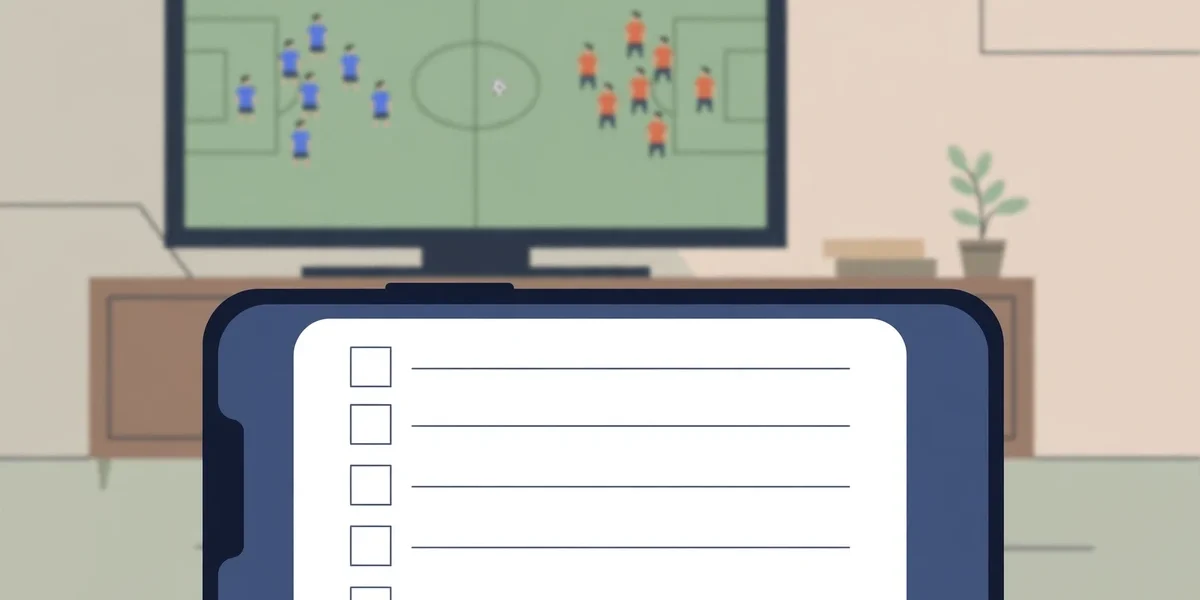
First, watch the match you are betting on. Second, decide your budget and your time limit before you start, while calm — not after a loss. In addition, set a session limit and a stopping time. Above all, do not chase losses.
Next, take a break after a loss. Confirm the price before you place the bet, and expect it to change. In addition, do not bet when you are reacting emotionally to the game. Finally, skip the bet after a big moment.
Live Betting in Nigeria
As of November 2026, betting in Nigeria is regulated at state level. On 22 November 2024, the Supreme Court nullified the National Lottery Act 2005, leaving regulation to the states. As a result, the National Lottery Regulatory Commission’s remit covers only the Federal Capital Territory.
Instead, state regulators license betting inside their own states. For example, Lagos has the Lagos State Lotteries and Gaming Authority. In addition, the Federation of State Gaming Regulators of Nigeria agreed a reciprocity framework on 7 May 2025, creating the Universal Reciprocity Certificate. Betting is for adults only: 18+.
Frequently Asked Questions
Is a live bet in betting safer than a pre-match bet?
No. A live bet in betting is not safer than a pre-match bet. In fact, no live market is automatically safer than another, and the speed of live betting adds risk.
Do live odds ever stop moving?
Yes, briefly. For example, bookmakers suspend markets around big moments such as goals, penalties, red cards and VAR checks.
Can I cash out a live bet?
Yes, if the bookmaker offers it on that market. The offer moves with the current likelihood of the bet winning, and it can rise, fall or disappear entirely. However, cash out is not available on every market.
What happens to my live bet if a match is abandoned?
Bets with a decided outcome stand. Undecided bets are usually void. However, rules vary by operator, so check the operator’s rules before you bet.
Conclusion
A live bet in betting lets you bet on a match while it is being played. For this reason, decide your budget before kick-off and never chase a loss. For more plain-English guides, visit the Betting Academy.
Bet Responsibly: Betting is for adults aged 18 and over only. Betting is entertainment, not a source of income. Only stake money you can afford to lose. If betting stops being fun, take a break. Learn more on our Responsible Gambling page.