- What Is a Bookmaker?
- What Is a Bookmaker's Job?
- Types of Bookmakers
- High Street Bookmakers
- Online Bookmakers
- On-Course Bookmakers
- Betting Exchanges Are Not Bookmakers
- How a Bookmaker Works
- How Odds Are Set
- How the Book Balances Itself
- What Is a Bookmaker's Margin?
- What Is a Bookmaker's Licence?
- What Is a Bookmaker in Nigeria?
- What Is a Bookmaker's History?
- Why Bookmakers Limit Winning Bettors
- Frequently Asked Questions
- What is a bookmaker in simple terms?
- Is a bookie the same as a bookmaker?
- What is a bookmaker called in the US?
- Do bookmakers always win?
- Can a bookmaker refuse my bet?
- Bet Responsibly
What is a bookmaker? It is the person or company that takes your bet, holds your stake, and pays you if you win.
Most bettors use one every day, yet few stop to ask how it works. A bookmaker is not a casino, and it is not your opponent in the usual sense. It is a business that prices risk, takes a margin on every market, and manages its exposure so it can pay winners from the stakes of losers. This guide explains the job in plain terms, from the first bookmakers at Newmarket to the online firms of today.
Quick Answer: What is a bookmaker? A bookmaker, also called a bookie, is an organisation or person that accepts bets on an event at agreed odds and pays out winnings. It sets the odds, takes a margin on every market, and balances the money on each side so it can profit whether the favourite wins or loses.
Last updated: November 2026
What Is a Bookmaker?
A bookmaker is an organisation or person that accepts bets on an event and pays out winnings at odds agreed when the bet is placed. In fact, the common names are bookmaker, bookie and turf accountant, and all three mean the same thing. The bookmaker sets the price, takes your stake, and carries the risk that your selection wins.
In simple terms, the bookmaker is the other side of your bet. When you back a team at 2.00, you are not betting against other punters. You are betting against the book, which has promised to pay you twice your stake if the team wins. If the team loses, the book keeps your stake. That promise is the whole business, and everything else follows from it.
The bookmaker is also the market maker. It decides which events to price, what odds to offer, and how much it will accept on each outcome. A book that prices a match badly will lose money, so the job is mostly about getting the numbers right. Our guide to a bet explains the wager itself.
What Is a Bookmaker’s Job?
The job has four parts, and they run in order. Firstly, the bookmaker prices the event. It studies form, injuries, weather and the money already in the market, then turns that judgement into odds. Secondly, it takes bets at those odds and holds the stakes. Thirdly, it manages the risk while the event runs, moving the odds as money arrives. Fourthly, it settles the bets and pays the winners.
Pricing is the skill that matters most. A bookmaker that prices too generously will attract sharp bettors and lose money over time. A bookmaker that prices too tightly will drive customers to a rival. The balance is a margin built into the odds, so the book can profit from the flow of bets rather than from guessing results.
Risk management is the second skill. A bookmaker never wants too much money on one outcome, because a single result would then cost it dearly. So it shortens the odds on the popular side and lengthens the odds on the other side, which pushes money toward the neglected outcome. When the money is balanced, the book pays winners from the stakes of losers and keeps the margin.
Settlement is the least visible part, yet it is where trust is built. A bookmaker must pay winners promptly and in full, and it must apply its rules consistently when a bet is void or a result is disputed.
That is the short answer to what is a bookmaker: a firm that prices risk and takes a margin for doing so.
Types of Bookmakers
Bookmakers come in four main types, and the type decides how you deal with them.
High Street Bookmakers
The high street bookmaker runs a betting shop. You walk in, place a bet over the counter or on a terminal, and then collect winnings in cash. These shops are a familiar sight in Britain and Ireland.
Online Bookmakers
The online bookmaker is the type most readers use. You open an account, deposit money, and place bets on a website or app. Online books offer more markets than any shop, and they also offer live betting, cash out and promotions.
On-Course Bookmakers
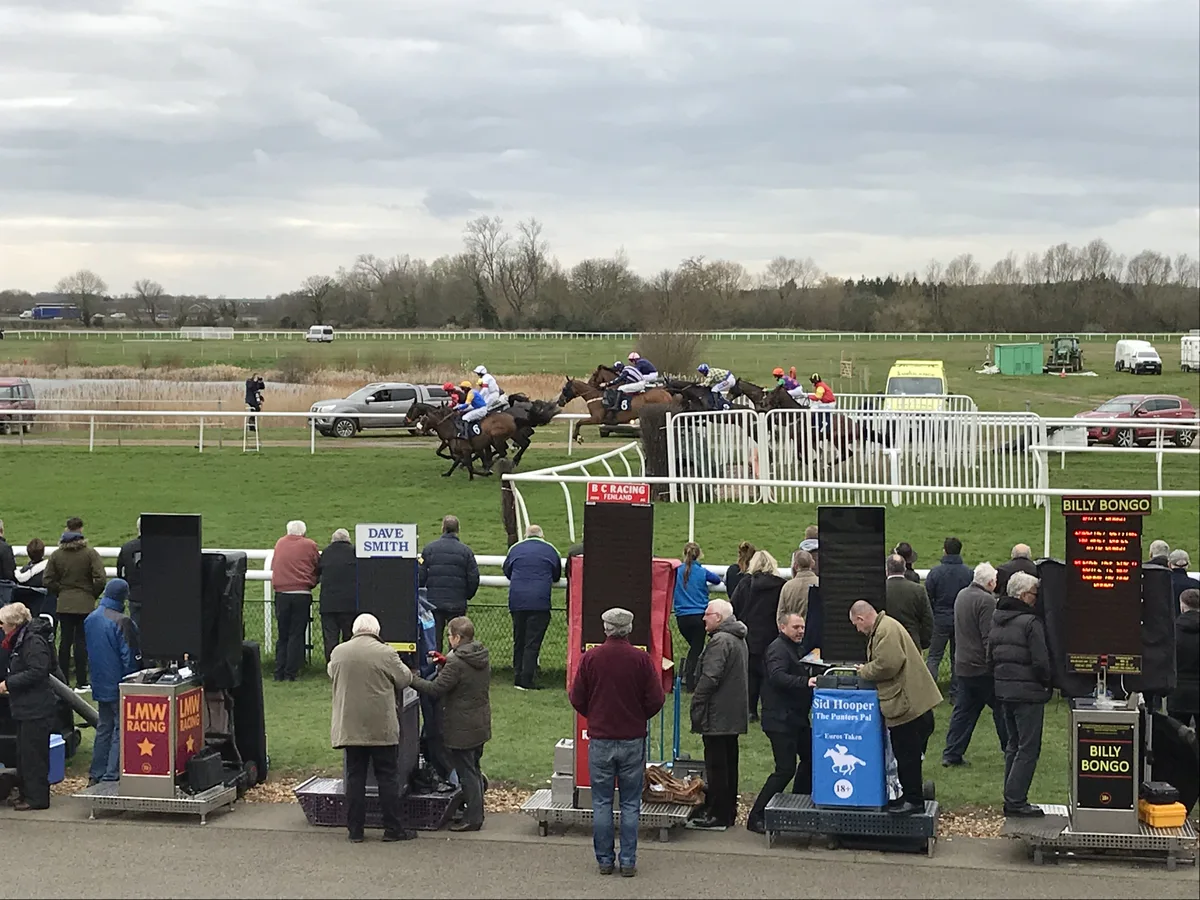
The on-course bookmaker works at the racecourse, usually from a pitch with a board showing the odds. This is the oldest form of bookmaking. On-course books take bets face to face, and their odds can differ from the online price on the same race.
Betting Exchanges Are Not Bookmakers
A betting exchange looks like a bookmaker, but it is not one. An exchange matches one bettor against another, and it takes a commission on winnings instead of taking the risk itself. Betfair launched this model in 2000, and it remains the best-known example. The exchange never loses when a favourite wins, because it never takes the other side of the bet.
| Type | Best for | Watch out for |
|---|---|---|
| High street | Cash bets and race days | Fewer markets than online |
| Online | Range of markets and live betting | Limits can change fast |
| On-course | Racecourse atmosphere | Odds can differ from online |
| Exchange | Laying outcomes and trading | Commission on winnings |
How a Bookmaker Works
A bookmaker’s working day follows the money. It opens a market, watches the bets arrive, moves the odds to balance the book, and settles up when the event ends.
How Odds Are Set
Odds start as a probability. The bookmaker’s compilers estimate each outcome’s chance, turn it into odds, and then add the margin. Our guide to how bookmakers set football lines works through that process in detail.
After the opening price, the money takes over. If too much money arrives on one side, the book shortens that price and lengthens the others. This is not guesswork. It is the book protecting itself, because a lopsided book turns one result into a large loss.
How the Book Balances Itself
A balanced book is the goal. That is the point of moving the odds. Suppose a book takes ₦100,000 on each side of a two-way market at fair odds plus margin. Whichever side wins, the book pays the winner from the loser’s stake and keeps the margin.
Balance is rarely perfect, so books lay off risk with other bookmakers. If one firm has taken too much money on a horse, it can place a bet with another book to cut its exposure. Laying off is standard practice, and it is one reason odds move together across firms.
Profit comes from the margin, not from bettors losing. A bookmaker can pay out most of what it takes and still profit, because the odds carry a built-in edge. Our guide to how a bookmaker makes a profit explains that maths in full.
What Is a Bookmaker’s Margin?
The margin, also called the overround, is the extra percentage built into the odds. If the implied probabilities of all outcomes add up to 108%, the margin is 8%. That 8% is the book’s expected profit on the market, before costs.
The margin is also why two books can offer different odds on the same event. A book with a 5% margin offers better prices than a book with a 10% margin, so comparing margins is a quick way to judge value. Our guide to the bookmaker’s margin explains how to calculate it and what counts as a fair figure.
What Is a Bookmaker’s Licence?
A bookmaker cannot legally take bets without a licence. The licence sets the rules for advertising, payouts, customer funds and responsible gambling, and it gives customers somewhere to complain.
In Britain, betting shops became legal on 1 May 1961, and today the Gambling Commission licenses operators. In Nigeria, regulation is state-led, because the National Lottery Act 2005 was nullified on 22 November 2024. That means a bookmaker’s licence comes from a state regulator, and the rules can differ from one state to another.
What Is a Bookmaker in Nigeria?
In Nigeria, a bookmaker must hold a licence from the regulator in each state where it operates. Each state runs its own licensing, so a firm licensed in one state may not be licensed in another. Bettors should check that a firm is licensed in their state before they deposit, and they must be aged 18 or over.
What Is a Bookmaker’s History?
The first bookmaker was Harry Ogden, who took bets at Newmarket racecourse in the 1790s. Before Ogden, betting was a private affair between gentlemen. Ogden turned it into a business by offering odds to anyone and taking a margin for the service.
The Gaming Act 1845 made betting contracts unenforceable in the courts, so bookmakers began demanding money in advance, and ready-money betting shops grew rapidly. Betting shops stayed illegal until 1 May 1961, when licensed shops opened and the high street bookmaker was born. The big names followed quickly: Ladbrokes was founded in 1886, Coral in 1926, and William Hill in 1934.
The internet changed the job again. Online bookmakers took bets from anywhere, and in 2000 Betfair launched the betting exchange, which matches bettors against each other instead of taking the risk. The answer to what is a bookmaker has not changed since his day: a firm that prices risk and takes a margin.
Why Bookmakers Limit Winning Bettors
A bookmaker limits winners because a winning bettor costs it money. Most customers lose slowly to the margin, and the book is happy to take their bets at full size. A bettor who beats the closing price again and again is different. Their bets carry information the book has missed, so the book cuts their limits to cap the damage.
The cut usually starts small. A personal limit may fall from ₦500,000 to ₦50,000 on the markets where the bettor wins most, while other markets stay open. This is called stake factoring, and it targets a pattern over many bets, not one lucky win. Our guide to what to do when a betting account gets restricted explains the stronger measures, including market blocks and account closure.
In fact, limiting is legal, and it is part of the business model. A bookmaker is not obliged to take any bet at any size, and its terms allow it to refuse or limit stakes.
Frequently Asked Questions
What is a bookmaker in simple terms?
A bookmaker is the firm that takes your bet and pays you if you win. You choose an outcome, the bookmaker offers odds, and you stake money at those odds. If your selection wins, the bookmaker pays your stake plus your winnings.
Is a bookie the same as a bookmaker?
Yes. Bookie is the informal name for a bookmaker, while turf accountant is the older formal name. All three describe the same job: accepting bets at agreed odds.
What is a bookmaker called in the US?
In the United States, a bookmaker is usually called a sportsbook. The job is the same, yet the word sportsbook is the standard term in American betting.
Do bookmakers always win?
No. A bookmaker can lose on a single event, and a badly priced market can cost it heavily. Over thousands of bets, however, the margin gives it an edge.
Can a bookmaker refuse my bet?
Yes. A bookmaker can refuse a bet, reduce the stake it will accept, or limit an account. Its terms allow this, and it usually happens when the stake is very large or the account has a record of beating the closing price.
Bet Responsibly
Betting is for adults aged 18 and over only. A bookmaker is a business, and its margin means most bettors lose over time. Set a budget you can afford, and never chase losses. If betting stops being fun, take a break and seek help. In Nigeria, Gamble Alert can be reached on 0916 295 7989, and the Mental Health in Nigeria Initiative (MANI) on 0809 111 6264. In an emergency, call 112.