- What Is a Panenka Penalty?
- What Is a Panenka Penalty and How Do You Take One?
- What Is a Panenka Penalty in a Shootout?
- What Is a Panenka Penalty in Football History?
- The 1976 Final, Kick by Kick
- Zidane in Berlin, 2006
- Pirlo, Ramos and Abreu
- What Is a Panenka Penalty Worth to a Bettor?
- Betting on Penalties in Nigeria: The Law
- Frequently Asked Questions
- What Is a Panenka Penalty in Simple Words?
- Who Invented the Panenka?
- Is a Panenka Legal?
- Can a Goalkeeper Save a Panenka?
- Why Do Players Risk a Panenka in a Final?
- What Happens If a Panenka Misses?
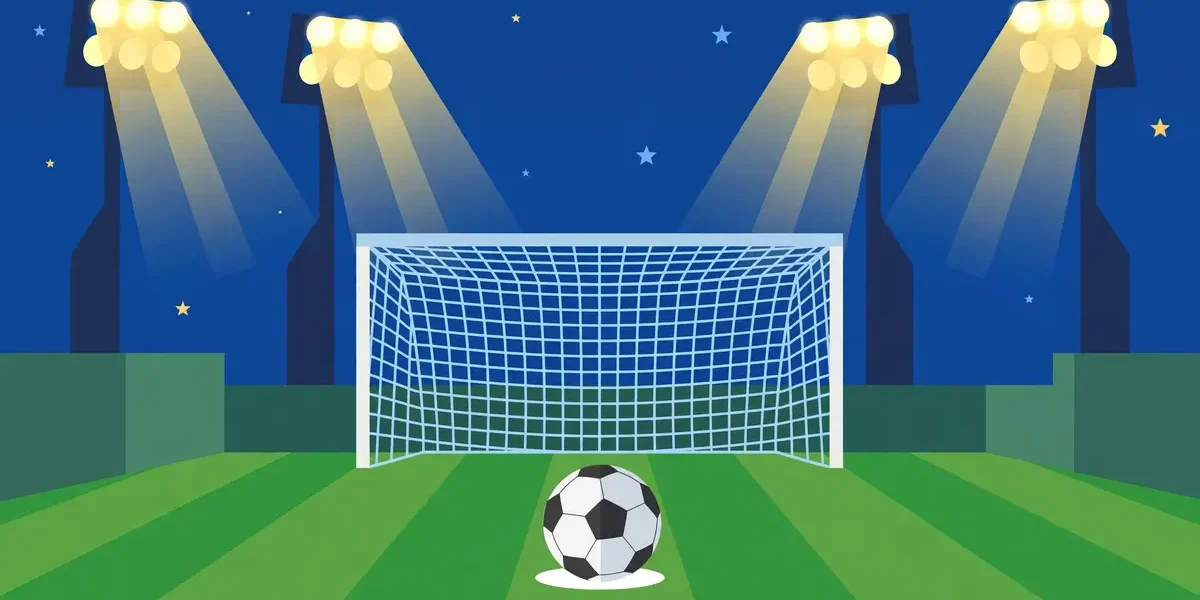
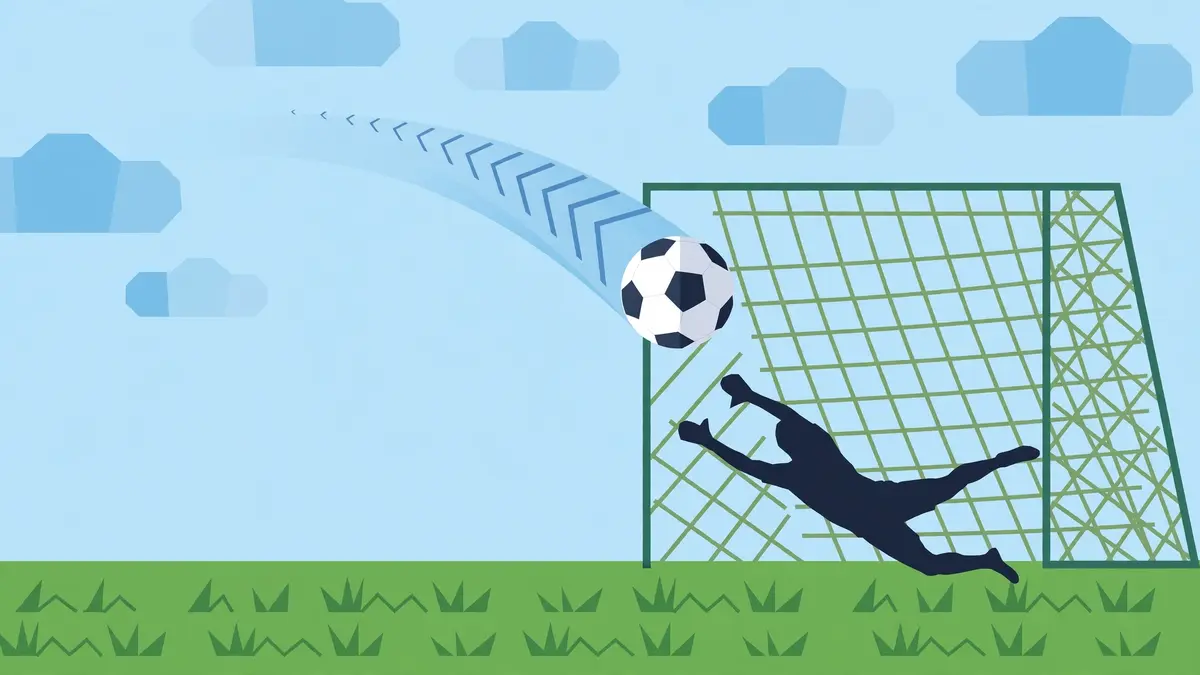
What is a panenka penalty? It is a penalty kick chipped softly down the middle of the goal, instead of driven hard into a corner. The taker waits for the goalkeeper to dive, then lifts the ball gently into the empty centre. In short, it is the boldest way to score from 12 yards.
The kick takes its name from Antonin Panenka, the Czechoslovakia midfielder who won the 1976 European Championship final with one. For example, fans call any soft central chip from the spot a Panenka. This guide explains the kick, the technique, the history and the risks.
Last updated: November 2026
Quick Answer
- The kick: A soft chip down the centre of the goal, taken while the goalkeeper dives to one side.
- The name: Antonin Panenka, who scored the winner in the 1976 European Championship final.
- The risk: If the goalkeeper stays in the middle, the slow ball is an easy catch.
- The lesson for bettors: A Panenka changes nothing about the odds, so judge the penalty, not the style.
What Is a Panenka Penalty?
A Panenka is a penalty taken with a delicate chip, not a strike. In practice, the taker runs up as if to shoot hard into a corner, then at the last moment slides a foot under the ball and lifts it gently into the centre of the net. In other words, the kick bets everything on the goalkeeper moving first. The ball travels slowly, so it only works when the keeper has left the middle.
A standard penalty gives the keeper almost no time to react. In addition, our guide to what a penalty kick is explains the rules and the 12-yard run-up.
The chip looks simple, yet the timing is hard. Firstly, the taker must sell the fake shot with the run-up. Secondly, the taker must watch the keeper for the first sign of a dive. Finally, the taker must keep the chip soft enough to drop under the bar, but firm enough to reach the net. Too much power turns the chip into a weak shot, and too little lets the ball die before the line.
What Is a Panenka Penalty and How Do You Take One?
1. Take a normal run-up. A calm run-up hides the plan.
2. Keep your head up. Watch the keeper, not the ball, in the last two steps.
3. Plant your standing foot beside the ball, with your body open as if to shoot to a corner.
4. Slide your kicking foot under the lower half of the ball with a short, soft motion.
5. Lift, do not drive. The ball should rise gently and drop into the centre of the net.
In addition, the best takers decide before the run-up starts. A late change of mind ruins the disguise. On the other hand, a taker who commits early can still change plan if the keeper refuses to move. In that case, the taker can place the ball into a corner instead.
What Is a Panenka Penalty in a Shootout?
Shootouts are the natural home of the Panenka. Meanwhile, the pressure is high, the keeper must guess, and one kick can settle a whole tournament. As a result, the chip appears far more often in shootouts than in open play. In fact, the calm of the kick can rattle the next taker on the other side.
For example, Andrea Pirlo used the kick when Italy trailed England 2–1 in the Euro 2012 quarter-final shootout. His chip levelled the score at 2–2, and Italy won 4–2. In contrast, a failed chip can break a team’s nerve in seconds.
In addition, our guide to penalty shootouts explains how they work from the first kick to the last.
What Is a Panenka Penalty in Football History?
The 1976 Final, Kick by Kick
The story starts on 20 June 1976 in Belgrade. Czechoslovakia met West Germany in the European Championship final, and the match ended 2–2 after extra time. In the shootout, the first seven kicks all found the net. Subsequently, Uli Hoeness blazed West Germany’s fourth kick over the bar, and Panenka stepped up at 4–3. He waited for Sepp Maier to dive left, then chipped the ball gently down the middle. Czechoslovakia won 5–3 and took their only European title.
Panenka had not invented the kick on the spot. He had practised it for two years, in training, in friendlies and in league games. In fact, he had asked his coaches to name him as the last penalty taker. The final gave him the perfect stage, and the kick has carried his name ever since.
The 1976 tournament was the fifth European Championship. In addition, our history of the European Championship traces the event to the modern game.
Zidane in Berlin, 2006
The most famous copy came in the 2006 World Cup final. Zinedine Zidane chipped a Panenka past Gianluigi Buffon to give France a 1–0 lead over Italy. The ball struck the underside of the crossbar and dropped in. Nevertheless, France still lost on penalties.
Pirlo, Ramos and Abreu
Euro 2012 produced two classic Panenkas in one week. Pirlo chipped Joe Hart when Italy trailed England, and Sergio Ramos chipped Rui Patricio when Spain led Portugal 3–2 in the semi-final shootout. Ramos had planned his kick in advance. In addition, it came only two months after he had blazed a penalty over the bar in Real Madrid’s Champions League semi-final defeat to Bayern Munich. Spain won 4–2 and lifted the trophy.
Sebastian Abreu added the boldest World Cup copy in 2010. Uruguay met Ghana in the quarter-final in Johannesburg, and the match went to a shootout after a 1–1 draw. Abreu, known as El Loco, chipped the winning kick past Richard Kingson, and Uruguay won 4–2 to reach their first semi-final in 40 years. Similarly, Alexis Sanchez matched the feat when his Panenka won the 2015 Copa America for Chile against Argentina. Lionel Messi has scored Panenkas several times since, including one against Lyon in the Champions League in 2019.
What Is a Panenka Penalty Worth to a Bettor?
Above all, a Panenka does not change the odds. Bookmakers price a penalty on the chance it goes in, not on the style of the kick. As a result, a bettor gains nothing by guessing whether the taker will chip or drive the ball. The smart play is to judge the taker, the keeper, the pressure and the price.
For example, a ₦10,000 stake at odds of 2.50 returns ₦25,000, so the profit is ₦15,000. In the same way, a ₦2,000 stake at odds of 1.80 returns ₦3,600, so the profit is ₦1,600. A third example: three winning ₦5,000 stakes at odds of 2.00 return ₦10,000 each, so the total return is ₦30,000 on ₦15,000 staked.
The real betting lesson is about nerve, not technique. A taker who tries a Panenka in a big shootout shows great confidence, and a keeper who stays in the middle shows great preparation. In other words, watch the players, not the trick. In general, a calm taker scores with a drive or a chip, while a nervous taker can miss either way.
The Panenka sits beside other skill moves that punish a defender who commits early, such as the nutmeg.
Betting on Penalties in Nigeria: The Law
In general, football betting is legal for adults in Nigeria, but the rules are state-led. The Supreme Court nullified the National Lottery Act 2005 on 22 November 2024, so that Act no longer governs gambling across the country. In particular, the National Lottery Regulatory Commission framework applies only in the Federal Capital Territory, and each state regulates betting in its own borders. In short, never treat a single national licence as the general rule. Betting is 18+ only, so check your state rules before you stake.
Frequently Asked Questions
What Is a Panenka Penalty in Simple Words?
It is a penalty chipped softly down the middle of the goal while the goalkeeper dives to one side. The taker fools the keeper with a fake shot, then lifts the ball into the empty centre.
Who Invented the Panenka?
Antonin Panenka of Czechoslovakia invented it. In fact, he scored the winning kick in the 1976 European Championship final against West Germany.
Is a Panenka Legal?
Yes. The Laws of the Game place no limit on how a taker strikes the ball, as long as the kick moves the ball forward in one motion. A soft chip is legal, just like a hard drive.
Can a Goalkeeper Save a Panenka?
Yes, and the save is easy when it happens. If the keeper stays in the middle, the slow chip drops into the keeper’s arms. In fact, the whole risk is that a keeper who refuses to dive kills it at once.
Why Do Players Risk a Panenka in a Final?
They trust their nerve and their reading of the keeper. A successful chip humiliates the keeper and lifts the team. On the other hand, a failed chip in a final can define a career for the wrong reasons.
What Happens If a Panenka Misses?
The same as any missed penalty. The kick counts as a miss, and the taker faces the blame. A missed chip looks worse than a missed drive, because the crowd sees the choice as showboating.
In short, what is a panenka penalty? It is a soft chip, a bold mind game and a piece of football history in one kick. Panenka proved it could win a European Championship in 1976, and Zidane, Pirlo, Ramos, Abreu and Sanchez proved it could decide World Cups, Euros and Copa America finals. The kick rewards nerve and punishes arrogance, and that is why fans still talk about it 50 years later.
Bet Responsibly: Betting is for entertainment, not income. Only stake what you can afford to lose, and never chase losses. If betting stops being fun, stop and seek help. Read our guide to responsible gambling. You must be 18+ to bet.