- Quick Answer
- What Is a Reverse Forecast Bet? Meaning and How It Works
- What Is a Reverse Forecast Bet in Horse Racing?
- What Is a Reverse Forecast Bet in Greyhound Racing?
- What Is a Reverse Forecast Bet? Cost, Lines and Worked Examples
- What Is a Reverse Forecast Bet Compared With a Straight Forecast?
- How to Place a Reverse Forecast Bet
- When a Reverse Forecast Makes Sense — and When It Does Not
- Reverse Forecast Betting in Nigeria: Law, Age and Safer Play
- Frequently Asked Questions About Reverse Forecast Bets
- What is a reverse forecast bet?
- How much does a reverse forecast bet cost?
- How are reverse forecast returns worked out?
- What is a dual forecast?
- Does a reverse forecast still win if my runners finish in the reverse order?
- Is a reverse forecast available on every race?
- Conclusion
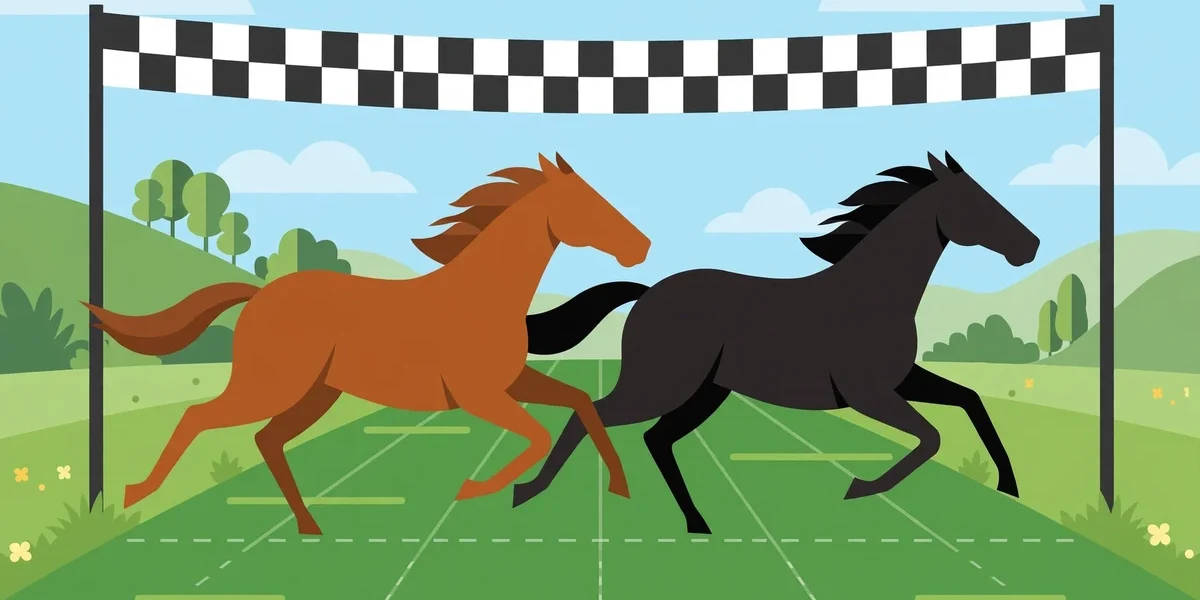
What is a reverse forecast bet? To begin with, it is a horse racing or greyhound racing bet on two runners to finish first and second in either order. In other words, the bet pays if your two picks fill the top two places. However, that flexibility comes at a price. In particular, a reverse forecast costs twice as much as a straight forecast on the same pair, because it is two straight forecasts in one. In addition, the return is not fixed: it is settled at a dividend declared after the race.
Last updated: November 2026
Quick Answer
- What is a reverse forecast bet in one line? Two runners to finish first and second in either order.
- Firstly, it is two straight forecasts in one, so it costs double the unit stake.
- Secondly, only the line that matches the real finishing order pays.
What Is a Reverse Forecast Bet? Meaning and How It Works
A straight forecast names two runners and the exact order: first and second. For instance, Horse A first and Horse B second wins, but the reverse order loses. A reverse forecast removes that order problem: it covers both possible orders of the same two runners, so either finishing order pays.
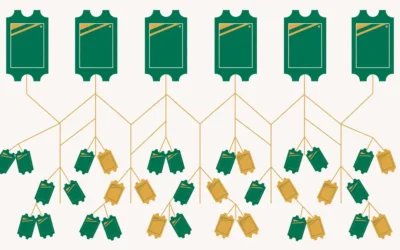
In effect, it is two straight forecasts placed together: one line backs Horse A to beat Horse B, and the other backs Horse B to beat Horse A. As a result, the total stake is double the unit stake: a ₦1,000 reverse forecast costs ₦2,000 in total. In other words, bookmakers also call this bet a dual forecast.
However, both runners must finish in the top two. As a result, if one finishes third or worse, the whole bet loses. On the other hand, if your pair fills the first two places, one line wins and the other loses. In particular, the winning line is settled at the dividend for the order that happened. In general, reading form is the usual starting point: see how to read a racing form.
What Is a Reverse Forecast Bet in Horse Racing?
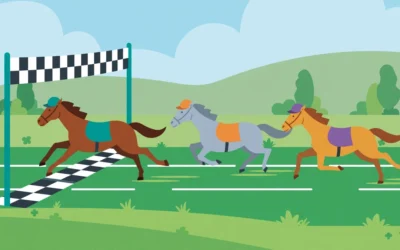
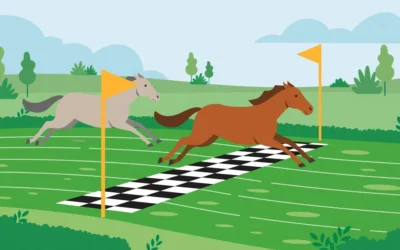
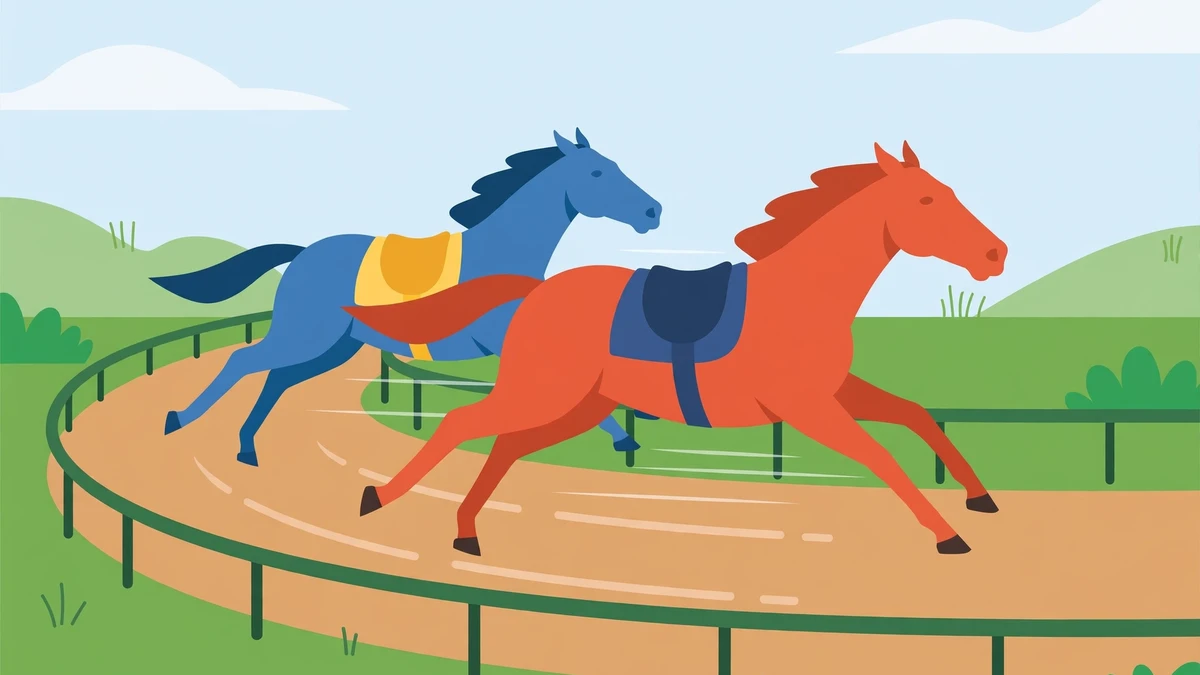
In particular, in horse racing, a reverse forecast fits a race where two horses stand out from the field. For example, a small field with a clear favourite and second favourite is a common shape.
In contrast, a big open handicap with ten or more runners of similar ability is a poor shape for the bet, because your two horses are unlikely to fill the first two places. Therefore, the bet works best when your reading is confident about the top two and unsure about the order. Similarly, a five-runner race has only 20 possible first-two orders, while a twelve-runner race has 132. Our horse racing betting guide for beginners explains win, place and each-way bets first.
What Is a Reverse Forecast Bet in Greyhound Racing?
Similarly, greyhound racing is the other home of the reverse forecast. A standard greyhound race has six dogs, which gives 30 possible first-two orders (6 × 5 = 30). As a result, picking two dogs is a smaller task than in a twelve-runner horse race.
For instance, two dogs with strong early pace from favourable traps can dominate a six-dog race, yet either one can lead at the first bend. In that case, the order is hard to call, and a reverse forecast covers both outcomes. However, a dog that is slow away can be left with too much to do. In other words, study the traps and the early pace before you pick a pair. Above all, a short-priced pair may produce a small dividend that does not cover the double stake. Our greyhound racing betting guide for beginners explains grading and trap draws.
What Is a Reverse Forecast Bet? Cost, Lines and Worked Examples
A reverse forecast always costs twice the unit stake.
| Unit stake | Lines | Total cost |
|---|---|---|
| ₦100 | 2 | ₦200 |
| ₦500 | 2 | ₦1,000 |
| ₦1,000 | 2 | ₦2,000 |
| ₦2,000 | 2 | ₦4,000 |
With three selections, there are three pairs and six lines; with four, six pairs and twelve lines; with five, ten pairs and twenty lines. The formula is: pairs = n × (n − 1) ÷ 2, and lines = pairs × 2.
| Selections | Pairs | Lines | Total cost at ₦500 a line |
|---|---|---|---|
| 2 | 1 | 2 | ₦1,000 |
| 3 | 3 | 6 | ₦3,000 |
| 4 | 6 | 12 | ₦6,000 |
| 5 | 10 | 20 | ₦10,000 |
Returns come from the declared dividend, multiplied by the unit stake, not the total stake. For example, a declared dividend of ₦8.40 per ₦1 with a ₦1,000 unit stake returns ₦8,400 (illustrative, not a real race result). The outlay was ₦2,000, so the profit would be ₦6,400.
Secondly, three selections at a ₦500 unit stake cost ₦3,000 for six lines. A declared dividend of ₦12.50 per ₦1 returns ₦12.50 × ₦500 = ₦6,250 (illustrative), a profit of ₦3,250. As a result, adding selections raises the cost fast.
What Is a Reverse Forecast Bet Compared With a Straight Forecast?
| Bet type | Selections | Lines | Order matters? | Total cost at ₦1,000 a line |
|---|---|---|---|---|
| Straight forecast | 2 | 1 | Yes, exact order | ₦1,000 |
| Reverse forecast | 2 | 2 | No, either order | ₦2,000 |
| Combination forecast | 3 or more | n × (n − 1) | No, any two in either order | ₦6,000 for 3 selections |
A straight forecast is cheaper, yet it loses if your runners finish in the reverse order. A reverse forecast costs double, yet it survives that swapped finish. A combination forecast covers every pair among three or more selections, yet its cost climbs. Therefore, the choice is a trade-off between cost and cover.
Moreover, settlement works the same way for all three types. For example, with a fixed-odds bookmaker, the return is usually the Computer Straight Forecast (CSF) dividend for the winning order, worked out from the starting prices of the first two finishers. In contrast, with the Tote, the matching any-order bet is a Combination Exacta, settled from the pool dividend instead. In either case, the return is unknown when you place the bet, and the two orders carry different dividends. If a selection becomes a non-runner, operators apply their own forecast rules.
How to Place a Reverse Forecast Bet
Firstly, pick a race and study the runners until you have two that you expect to fill the first two places. Secondly, find the forecast market and choose the reverse forecast (or dual forecast) option. Thirdly, enter the unit stake, the amount for each line, not the total. Then check the slip total: it will be double the unit stake.
For example, ₦500 on one pair gives a slip total of ₦1,000. In addition, our guide to what a betting slip shows explains those boxes.
When a Reverse Forecast Makes Sense — and When It Does Not
A reverse forecast makes sense when two runners look clearly better than the rest, yet nothing in their form separates them. For instance, two horses that have beaten the rest of the field, or two greyhounds with the best early pace, fit this shape.
On the other hand, the bet makes little sense when the race is wide open. For example, if four or five runners could each fill the first two places, a single pair is a guess, and paying double the stake for that guess is poor value. Similarly, a dividend too short to cover the double stake makes the bet a loss even when it wins. Above all, treat it as one tool among many, and keep the unit stake modest.
Reverse Forecast Betting in Nigeria: Law, Age and Safer Play
Betting in Nigeria is regulated state by state, not by one national regulator. The Supreme Court nullified the National Lottery Act 2005 on 22 November 2024, ruling that lotteries and betting are matters for the states. As a result, the National Lottery Regulatory Commission framework applies only in the Federal Capital Territory; Lagos, for example, licenses betting through the Lagos State Lotteries and Gaming Authority.
Betting is 18+ only. In general, operators also run identity checks before paying out, commonly using your BVN or your 11-digit NIN. Therefore, use only an account in your own name. In addition, set a budget, stake only money you can afford to lose, and treat betting as entertainment.
Frequently Asked Questions About Reverse Forecast Bets
What is a reverse forecast bet?
In short, it is a bet on two runners to finish first and second in either order: two straight forecasts, one for each order, at double the unit stake. Only the line that matches the real finishing order pays.
How much does a reverse forecast bet cost?
It always costs twice the unit stake: ₦500 on one pair costs ₦1,000 in total. With three selections, the cost is six times the unit stake.
How are reverse forecast returns worked out?
Returns come from a dividend declared after the race, not fixed odds. The dividend is multiplied by the unit stake: ₦8.40 per ₦1 with a ₦1,000 unit stake returns ₦8,400.
What is a dual forecast?
A dual forecast is another name for a reverse forecast: two runners to finish first and second in either order, at double the unit stake.
Does a reverse forecast still win if my runners finish in the reverse order?
Yes. If you back Horse A and Horse B, the bet wins whether A beats B or B beats A. However, it loses if either runner finishes outside the top two.
Is a reverse forecast available on every race?
No. It depends on the operator and the race, and forecasts usually need at least three runners to start.
Conclusion
The answer to what is a reverse forecast bet is simple: two runners, either order, double the stake, and a dividend decided after the race. It is a useful bet when two runners look a cut above the rest. In contrast, it is a poor choice in a wide-open race. Finally, use it sparingly and watch the slip total.
Bet Responsibly: Betting is for adults aged 18+ only. Treat it as entertainment, not income, and only stake money you can afford to lose. If betting stops being fun, take a break and read our responsible gambling guide.